








What's Happening?
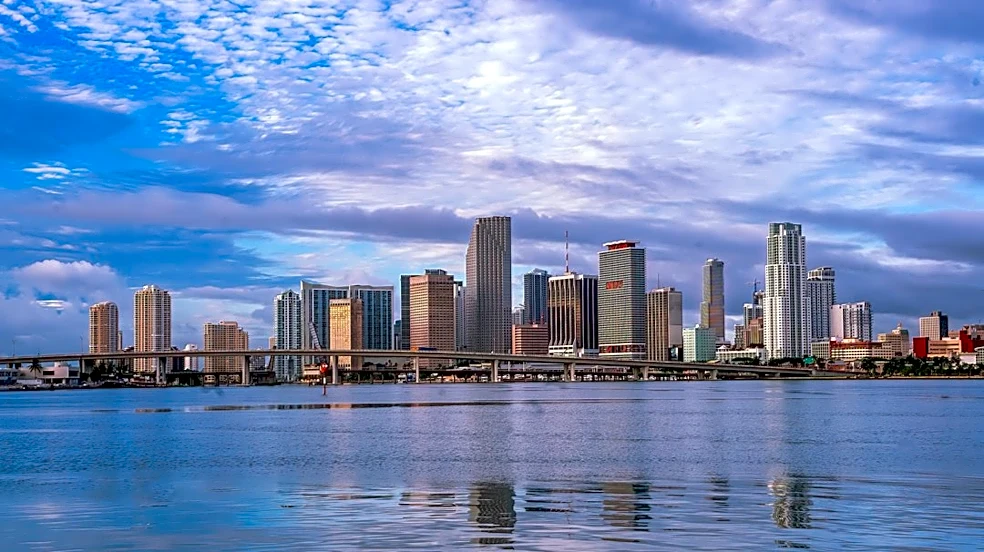
Community advocates and small business owners in Miami are demanding financial relief for Black-owned businesses severely impacted by prolonged delays in a county infrastructure project along Northwest 22 Avenue. The Black Collective, a Miami-based advocacy
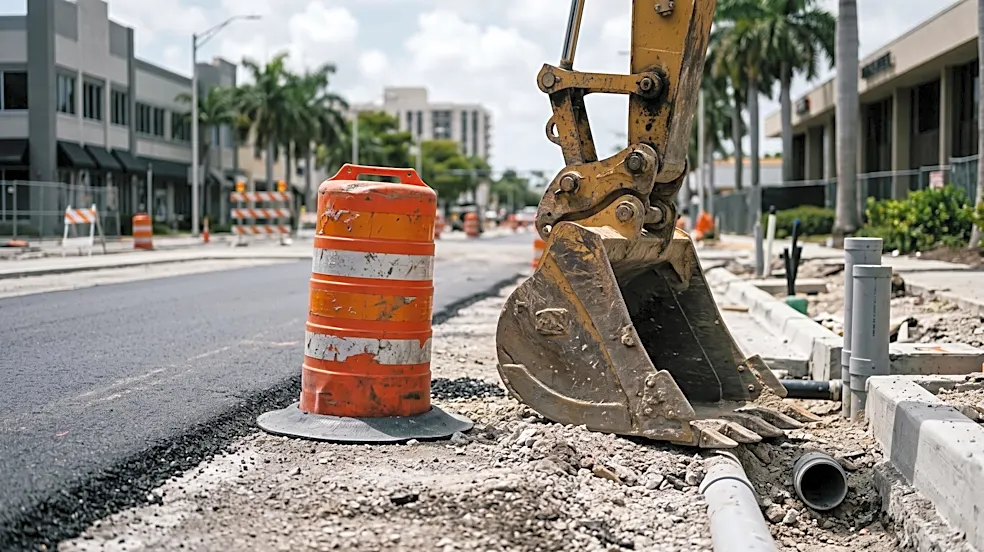
group, is spearheading the 'Save Our Black Businesses' campaign, calling for immediate compensation, restored customer access, and institutional accountability. The project, a Miami-Dade County water and sewer infrastructure upgrade on NW 22nd Avenue, was initially scheduled for completion in June 2024 with a budget of $7.25 million. However, unforeseen underground conditions and utility conflicts led to a 1,000-day extension and an additional $5.41 million in funding, pushing the estimated completion to March 17, 2027, and increasing the total cost to approximately $12.66 million. Business owners, like Eddie Young of Famous Car Wash, have reported drastic drops in daily revenue, forcing them to reduce staff. Short-term government grants have been insufficient to offset these losses.
Why It's Important?
This situation highlights the significant vulnerability of small, local businesses, particularly those in Black communities, to large-scale public infrastructure projects. The extended delays and insufficient financial support threaten the survival of these businesses, which are often cornerstones of their communities, providing jobs and essential services. The economic disruption not only impacts individual business owners and their employees but also has broader implications for local economic stability and community development. The demand for an independent economic loss analysis and compensation underscores the need for robust mechanisms to protect businesses during public works. Without adequate relief, these delays could lead to permanent closures, further exacerbating economic disparities and undermining efforts to foster Black entrepreneurship and wealth creation in the region.
What's Next?
The Black Collective is demanding that county leaders establish a commission within the next 30 days to conduct an independent economic loss analysis. This commission would be tasked with documenting projected financial losses across all affected businesses along the corridor and subsequently compensating them for the decline in revenue. The outcome of this demand will determine the immediate future for many of these struggling businesses. If the county agrees to the commission and provides substantial relief, it could set a precedent for how similar infrastructure projects are managed in the future, ensuring better protection for local economies. Conversely, a failure to provide adequate compensation could lead to more business closures and increased economic hardship for the affected community.
Beyond the Headlines
The challenges faced by these Black-owned businesses extend beyond immediate financial losses, touching upon issues of equitable development and systemic support for minority enterprises. The incident raises questions about the planning and execution of public projects, particularly regarding their impact on marginalized communities. It underscores the importance of proactive engagement with local businesses and comprehensive impact assessments before and during construction. The call for institutional accountability suggests a deeper concern about whether the county adequately considered the socio-economic consequences of project delays on these specific businesses. This situation could serve as a case study for urban planning and policy-making, emphasizing the need for inclusive development strategies that safeguard vulnerable economic actors during periods of urban renewal or infrastructure improvement.