



What's Happening?
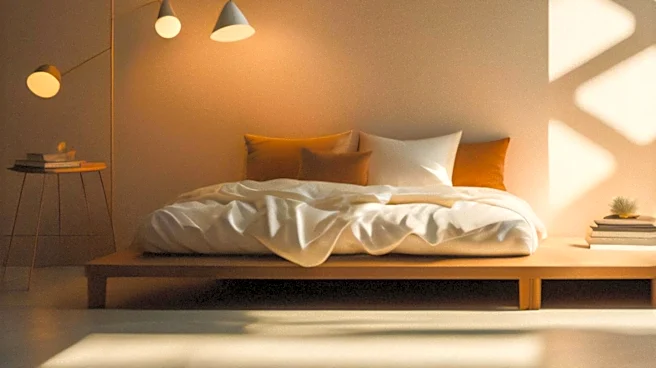
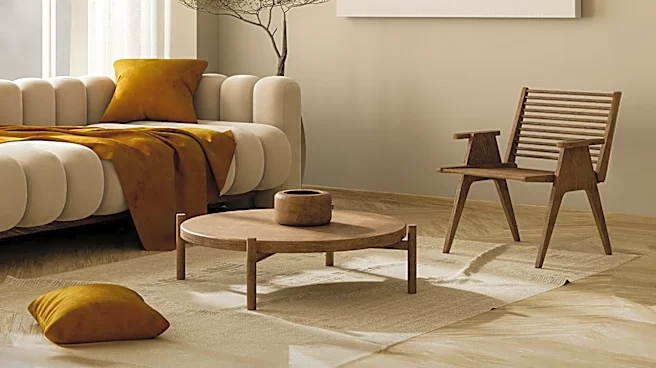
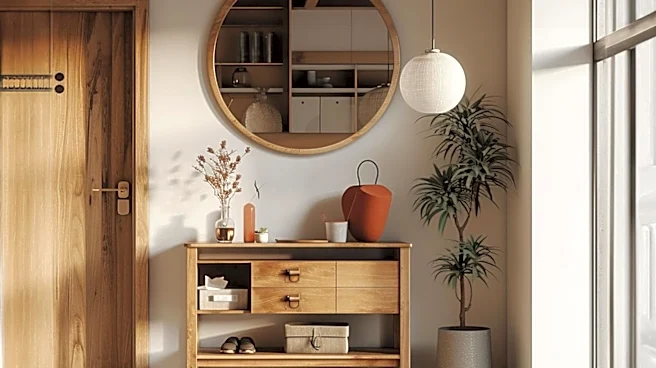
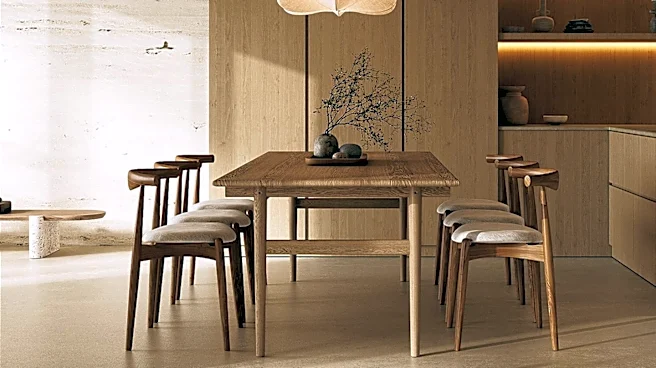
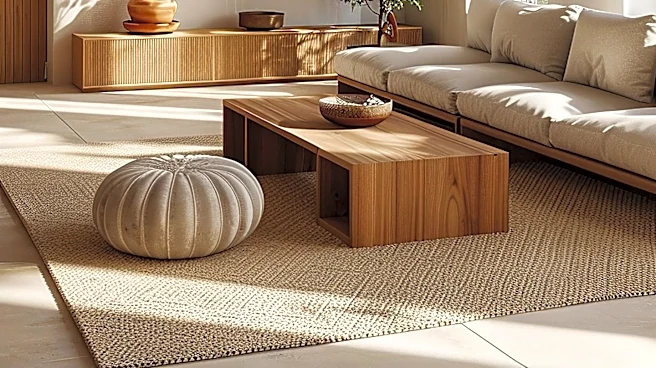
Warm Minimalism is gaining traction as a leading interior design philosophy, moving away from the starkness of traditional minimalism. This approach emphasizes blending simplicity with comfort, focusing on fewer, more inviting items. Unlike cold minimalism,
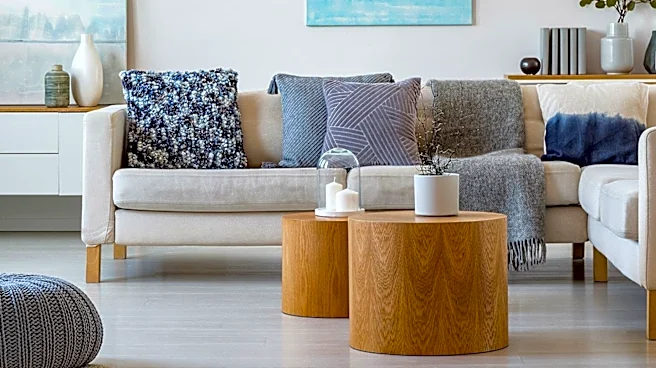
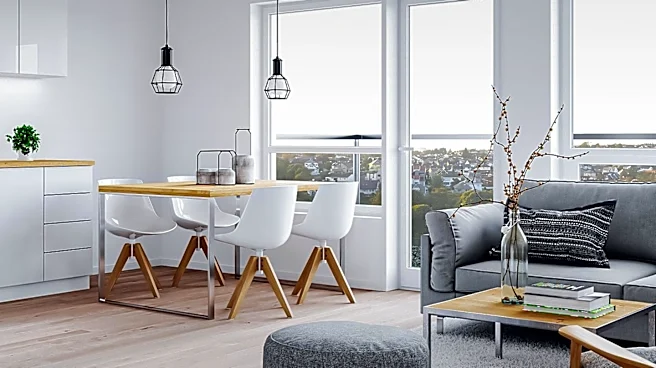
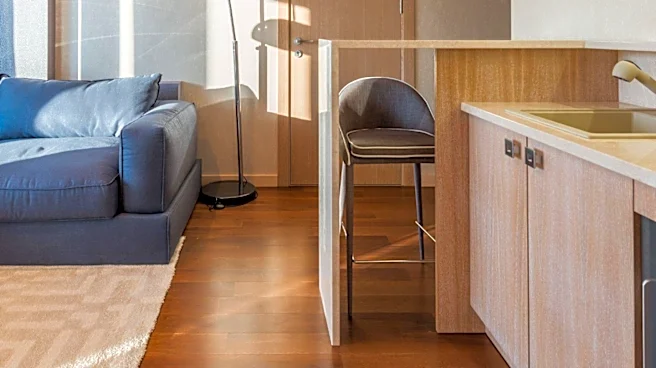
which often features stark white walls, glossy surfaces, and empty spaces, Warm Minimalism incorporates cream, sand, clay, and wood tones, along with natural materials and varied textures. The core idea shifts from merely removing items to thoughtfully selecting what is truly needed and ensuring it contributes to a sense of well-being. This trend draws inspiration from Japanese Zen interiors, which value space and calm, and Scandinavian hygge, known for its cozy and comfortable aesthetic. Homeowners are increasingly seeking calm yet inviting spaces, finding that overly bare rooms can feel impersonal and showroom-like. The shift reflects a desire for homes that support a wider range of activities, from cooking and working to relaxing, and that offer a sensory experience of softness and warmth.
Why It's Important?
The rise of Warm Minimalism signifies a broader cultural shift in how individuals perceive and interact with their living environments. This trend is particularly relevant in the U.S. as it addresses a growing consumer demand for spaces that offer both aesthetic appeal and psychological comfort, moving away from purely aspirational, often impractical, design ideals. For the home furnishings and interior design industries, this means a greater emphasis on natural materials, earthy color palettes, and textured fabrics, potentially influencing product development and marketing strategies. Real estate markets may also see an impact, as homes designed with Warm Minimalism principles, characterized by neutral and inviting interiors, tend to appeal to a wider range of buyers. This approach also aligns with increasing awareness of well-being and mental health, as people seek to create sanctuaries that reduce stress and promote relaxation, especially in an era of increased screen time and digital overload. The trend's focus on intentional living and decluttering also resonates with sustainability efforts, encouraging consumers to invest in fewer, higher-quality, and more meaningful items.
What's Next?
The continued adoption of Warm Minimalism is expected to influence various sectors. Interior designers and architects will likely integrate these principles into new projects, focusing on creating functional yet aesthetically pleasing spaces that prioritize comfort and natural elements. Retailers in the home goods sector will continue to expand their offerings of products that align with this style, such as furniture made from natural woods, textiles in earthy tones, and artisanal decorative objects. Educational resources and workshops on interior design may increasingly feature Warm Minimalism as a key topic, guiding consumers on how to implement these changes in their own homes. Furthermore, as the trend emphasizes personal touches and meaningful objects, there may be a resurgence in demand for handcrafted items and unique pieces that reflect individual stories and cultural heritage. The trend's adaptability to various living situations, including smaller urban dwellings, suggests its sustained relevance in diverse U.S. housing markets.
Beyond the Headlines
Beyond its aesthetic appeal, Warm Minimalism reflects deeper societal values concerning consumption, well-being, and personal identity. The movement away from cold, impersonal spaces towards warm, inviting ones suggests a collective yearning for authenticity and comfort in an increasingly complex world. Ethically, this trend encourages more conscious consumption, promoting the idea of investing in durable, meaningful items rather than disposable, trend-driven purchases. This aligns with broader environmental concerns and a desire for sustainable living. Culturally, the integration of elements from Japanese Zen and Scandinavian hygge indicates a cross-cultural exchange of ideas about living harmoniously and finding contentment in simplicity. The emphasis on personalizing spaces with sentimental objects, rather than adhering to catalog-perfect aesthetics, highlights a shift towards valuing individual narratives and emotional connections within the home. This evolution in design thinking underscores a growing recognition of the home as a sanctuary that nurtures the soul, rather than merely a display of material wealth or adherence to fleeting trends.