

What's Happening?
The Southeastern Conference (SEC) has unanimously voted 16-0 to implement a new rule that prohibits athletes who have declared for professional drafts (NFL, NBA, WNBA), signed professional contracts, or appeared on professional rosters from returning
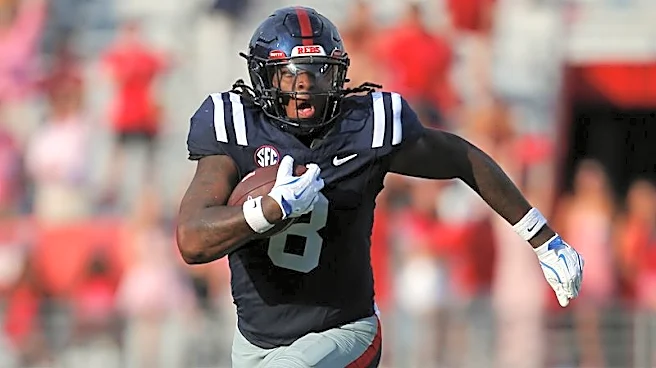
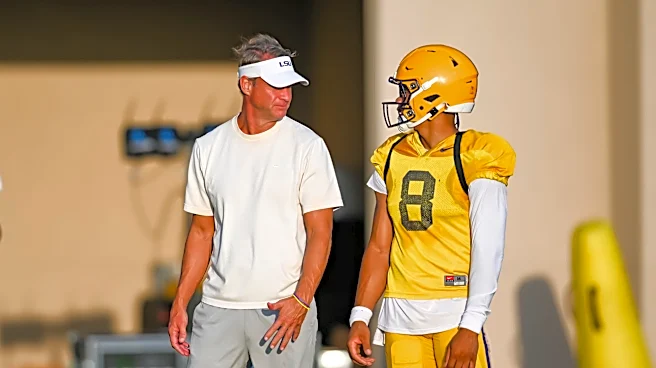
to play college sports within the conference. This decision aims to maintain competitive equity and distinguish college sports from professional leagues. The rule comes amidst a complex landscape where courts have sometimes allowed athletes to return to college after professional stints, creating a conflict between judicial rulings and conference policies. The SEC's move is a direct response to situations like Dae'Quan Wright, who was waived by the Cleveland Browns and subsequently sought to return to college, with LSU reportedly showing interest.
Why It's Important?
This new SEC rule has significant implications for the future of college sports, particularly regarding player eligibility, recruitment, and the ongoing legal battles surrounding athlete rights. By drawing a clear line between professional and collegiate status, the SEC is attempting to preserve the amateur nature of college athletics, which could impact the competitive balance within the conference and potentially influence other conferences to adopt similar policies. The rule also creates a direct conflict with court injunctions that have previously allowed athletes to return to college, setting the stage for potential legal challenges and further complicating the already complex regulatory environment of college sports. This move could deter college athletes from declaring for professional drafts prematurely, as it would close off a potential pathway back to collegiate play if their professional aspirations do not materialize immediately. It also raises questions about the fairness to athletes who might be cut from professional teams and lose their opportunity to continue their education and athletic careers.
What's Next?
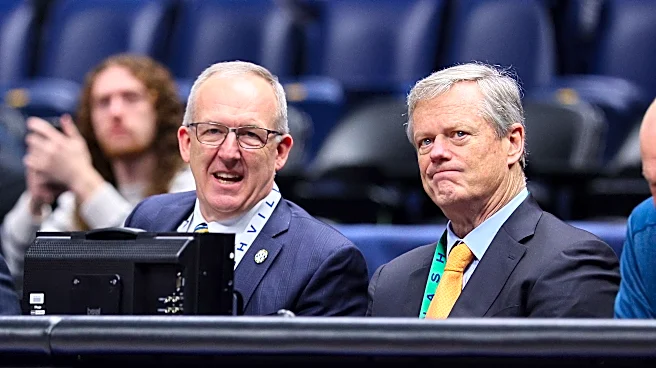
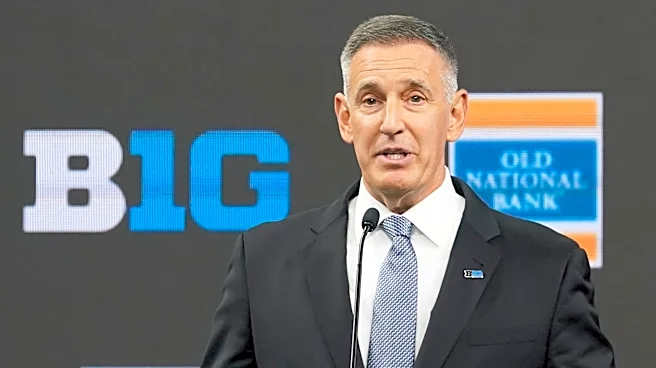
The immediate next step will be to observe how this rule is enforced and whether it faces legal challenges from athletes or their representatives. The SEC commissioner, Greg Sankey, has been granted authority to punish schools that violate the rule, though specific punishments are yet to be announced. Other conferences, such as the Big Ten, have already implemented similar policies, while some, like Notre Dame, have expressed opposition. This divergence in rules across conferences could lead to a fragmented landscape in college sports, where eligibility standards vary significantly. The ongoing tension between conference policies, NCAA regulations, and court rulings suggests that this issue will continue to be a subject of legal and administrative debate, potentially leading to further injunctions or a more unified national policy on athlete eligibility.
Beyond the Headlines
This SEC rule delves into the fundamental identity crisis facing college sports in the era of NIL (Name, Image, and Likeness) and the transfer portal. It highlights the struggle to define what 'amateurism' means when athletes can profit from their status and move freely between institutions. The rule's intent to protect competitive equity also implicitly acknowledges the potential for professional athletes to displace traditional college recruits, raising ethical concerns about opportunities for younger, developing players. This situation underscores the increasing professionalization of college athletics, where legal battles, financial incentives, and player mobility are reshaping the traditional model. The long-term implications could include a more stratified system where top conferences operate under stricter professional-like rules, while others might adopt more lenient approaches, further fragmenting the collegiate sports landscape and challenging the NCAA's overarching authority.