







What's Happening?
IHG Hotels & Resorts has announced a significant milestone for its Luxury & Lifestyle brand, Hotel Indigo, reaching 200 open hotels worldwide. This expansion marks a doubling of the brand's global footprint since 2019. Hotel Indigo has strategically grown
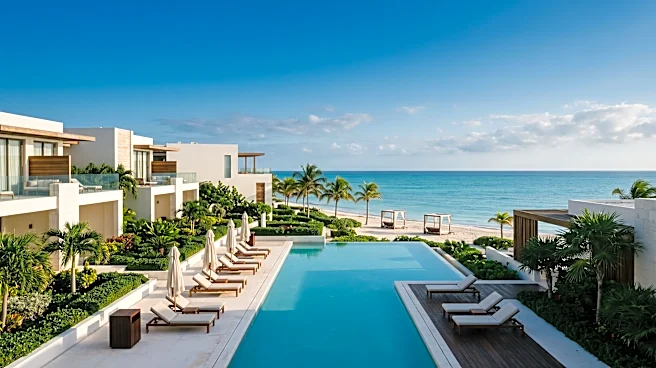
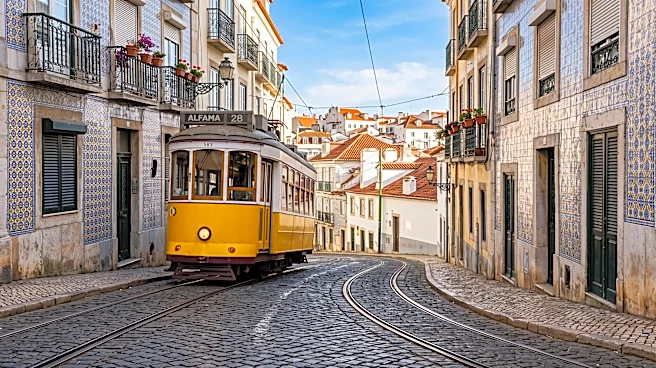
its presence in key cultural, urban, and resort destinations across more than 30 countries. The brand, which launched in 2004, focuses on creating hotels that reflect the unique character and history of their surrounding neighborhoods. Recent openings include properties in the Caribbean (Hotel Indigo Grand Cayman), Portugal (Hotel Indigo Albufeira), and Peru (Hotel Indigo Lima Miraflores). In the Americas, new hotels have opened in Turks & Caicos, Mexico, and North Carolina, with a signing in Costa Rica. The brand also continues its expansion in EMEAA and Greater China, with notable openings and upcoming debuts, including its first branded residences globally in Egypt and a debut in Saudi Arabia. This growth is driven by strong guest and owner demand, with an additional 134 Hotel Indigo properties currently in the development pipeline.
Why It's Important?
The rapid expansion of Hotel Indigo signifies a growing trend in the hospitality industry towards unique, localized experiences, moving away from standardized hotel offerings. For the U.S. market, this trend indicates that travelers are increasingly seeking authentic and immersive stays, which could influence development strategies for other hotel chains. The brand's focus on cultural and urban destinations, alongside resort locations, suggests a diversified approach to capturing various segments of the travel market. The continued demand for such properties, as evidenced by the substantial development pipeline, highlights a robust investment environment in the lifestyle hotel sector. This growth also impacts employment opportunities in the hospitality sector, both in construction and operations, and contributes to local economies in the destinations where these hotels are established. The emphasis on individuality and local storytelling could also encourage other U.S. hotel brands to innovate their offerings to remain competitive.
What's Next?
With 134 Hotel Indigo properties in its development pipeline, IHG Hotels & Resorts is poised for continued growth in the coming years. This pipeline suggests a sustained focus on expanding the brand's presence in both established and emerging markets globally, including further penetration in the Americas. Future developments are likely to continue emphasizing the brand's core philosophy of reflecting local culture and character, potentially leading to more unique design and service offerings. The introduction of Hotel Indigo's first branded residences in Egypt indicates a potential new avenue for growth and investment, which could be replicated in other markets, including the U.S. This move could attract a different segment of investors and guests looking for longer-term stays or ownership opportunities within the lifestyle hotel framework. The brand's evolution will likely involve further integration of local experiences and partnerships to enhance its neighborhood-centric approach.
Beyond the Headlines
The success of Hotel Indigo in doubling its global footprint underscores a broader shift in consumer preferences within the travel industry. Travelers are increasingly prioritizing experiences that offer a genuine connection to the local environment, moving beyond mere accommodation. This trend has significant implications for urban planning and cultural preservation, as hotels like Hotel Indigo often integrate local art, food, and design into their offerings, potentially boosting local economies and showcasing regional identities. The brand's commitment to individuality for each property challenges the traditional uniform approach of large hotel chains, fostering a more diverse and authentic travel landscape. This focus on 'neighborhood spirit' could also influence how communities perceive and interact with tourism, potentially leading to more sustainable and culturally sensitive development practices in the long term. The growth of such brands reflects a desire for more meaningful and personalized travel experiences, which could reshape the future of hospitality.