



What's Happening?
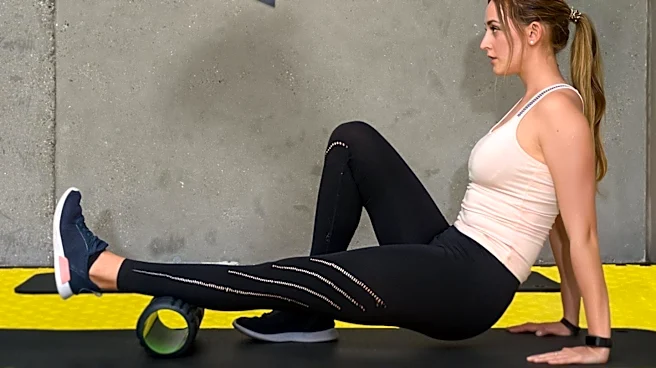
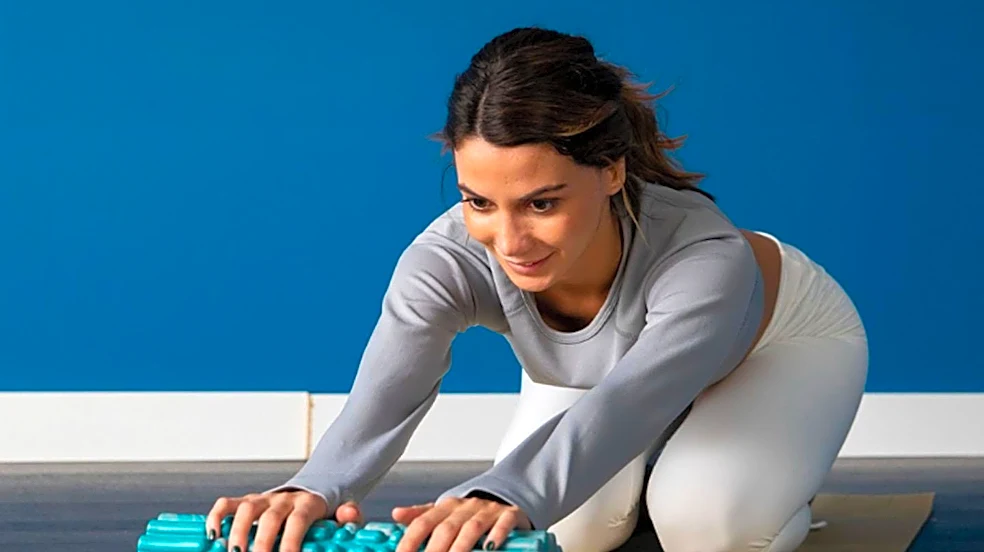
Foam rolling, a self-massage technique, is widely used to alleviate muscle tightness and enhance flexibility. This method involves applying sustained pressure to muscles, which can help release tension in the tissue and surrounding fascia. Studies suggest
that foam rolling may reduce muscle soreness following intense exercise, with effects potentially lasting for several days. Consistent use of foam rollers can also improve range of motion by breaking up adhesions in muscle tissue. While effective for large muscle groups like legs and the back, foam rolling can be uncomfortable for beginners due to the intensity of pressure on tight areas. The effectiveness of foam rolling can vary significantly among individuals, and it may not be suitable for everyone. Despite its limitations, foam rollers are a cost-effective tool, typically priced under $20, and are durable for long-term use.
Why It's Important?
The widespread adoption of foam rolling highlights a growing emphasis on accessible and affordable recovery methods within the U.S. fitness and athletic communities. Its cost-effectiveness makes it an attractive option for individuals and fitness centers looking to provide muscle recovery benefits without significant investment. The ability of foam rolling to improve flexibility and reduce muscle soreness can contribute to better athletic performance and injury prevention, impacting a broad spectrum of individuals from professional athletes to casual gym-goers. However, the variability in individual results and the potential for discomfort for beginners underscore the need for personalized approaches to recovery. The limitations in reaching certain body areas, such as the neck and shoulders, also point to a market demand for complementary tools, influencing product development and consumer choices in the wellness industry.
What's Next?
As research continues to explore the physiological benefits of foam rolling, there may be further refinement in recommended techniques and applications. The fitness industry is likely to see continued innovation in foam roller designs, potentially addressing issues like comfort for beginners or specialized shapes for hard-to-reach areas. Educational programs for athletes and fitness enthusiasts will likely emphasize proper foam rolling techniques to maximize benefits and minimize discomfort. Given its affordability and proven benefits for many, foam rolling is expected to remain a staple in recovery routines, potentially integrated more formally into training protocols across various sports and fitness disciplines. The ongoing development of complementary recovery tools, such as massage guns and neck massagers, suggests a future where individuals utilize a combination of devices for comprehensive muscle care.
Beyond the Headlines
The popularity of foam rolling reflects a broader cultural shift towards self-care and proactive health management in the U.S. It embodies a DIY approach to physical well-being, empowering individuals to take an active role in their recovery and flexibility. This trend also highlights the intersection of sports science and consumer products, where scientific understanding of muscle physiology is translated into accessible tools for the general public. The discomfort associated with foam rolling for some users raises questions about pain tolerance and the psychological aspects of recovery, suggesting that perceived effectiveness can be as important as physiological outcomes. Furthermore, the market for recovery tools is becoming increasingly segmented, with specialized devices emerging to address specific needs, indicating a sophisticated consumer base seeking tailored solutions for their physical health.