
What's Happening?
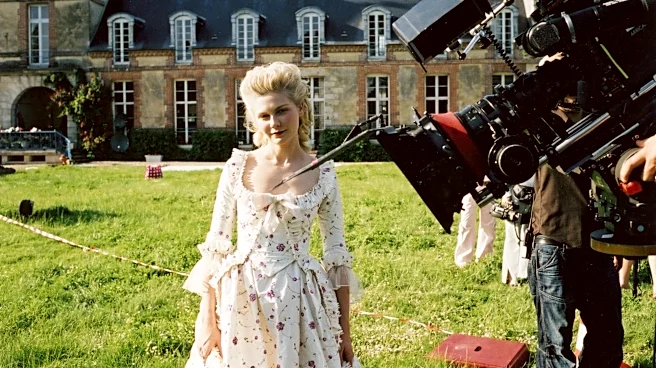
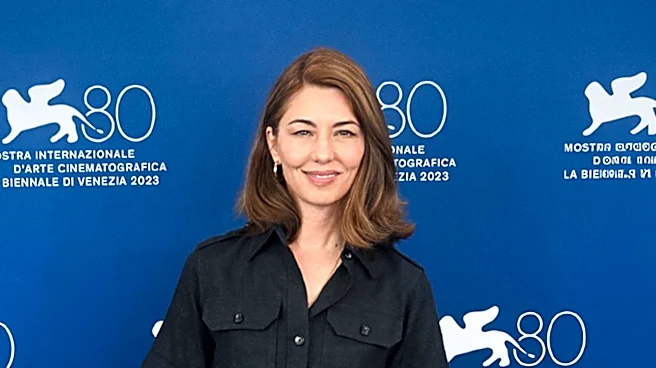
Sofia Coppola paid tribute to her late mother, Eleanor Coppola, at the Paris premiere of the documentary 'Making Marie Antoinette'. The film, directed by Sofia Coppola, chronicles the production of her 2006 film 'Marie Antoinette', starring Kirsten Dunst.
Although Sofia Coppola was unable to attend due to the flu, she sent a heartfelt note, read by producer Lorenzo Mieli, honoring her mother for teaching her 'how to look for and see beauty around you.' The special screening, hosted by Chanel and Mubi at the newly restored Le Saint-Germain-des-Prés cinema, marked the 20th anniversary of 'Marie Antoinette'. Cannes Film Festival chief Thierry Frémaux introduced the documentary, recalling his impression of Coppola's bold take on the French queen in 2006. The documentary utilizes 80 hours of footage shot by Eleanor Coppola during the original film's production, capturing Sofia's creative process, intimate moments with the cast, and the craftsmanship behind the film's elaborate costumes and sets. Eleanor Coppola, an acclaimed documentary filmmaker known for 'Hearts of Darkness: A Filmmaker’s Apocalypse', passed away in April 2024 at age 87.
Why It's Important?
This event is significant as it not only celebrates the legacy of a critically acclaimed film, 'Marie Antoinette', but also pays homage to Eleanor Coppola, a pivotal figure in documentary filmmaking and a supportive presence in her daughter's career. The documentary 'Making Marie Antoinette' offers a unique behind-the-scenes look at the creative process, providing valuable insights into the challenges and artistry involved in large-scale film productions. For film enthusiasts and aspiring filmmakers, it serves as an educational piece, showcasing the dedication and vision required to bring a historical epic to the screen. Furthermore, the tribute highlights the enduring influence of family in artistic endeavors, with Eleanor's footage providing an intimate perspective on Sofia's work. The screening, supported by Chanel, also underscores the intersection of fashion, film, and cultural heritage, reinforcing the artistic and commercial value of such collaborations. It also marks a moment of reflection on the evolution of Sofia Coppola's directorial style and her place in contemporary cinema.
What's Next?
The documentary 'Making Marie Antoinette' has already world-premiered at Telluride and has been streaming on Mubi since November 6. The Paris screening serves as a significant celebratory event, marking the 20th anniversary of the original film. While no further major theatrical releases or widespread distribution announcements were detailed in the source, the film's availability on Mubi suggests it will continue to reach a global audience through streaming platforms. The ongoing discussion and critical reception of the documentary will likely contribute to renewed interest in Sofia Coppola's work and Eleanor Coppola's legacy. Film studies programs and cultural institutions may also utilize the documentary as a case study for understanding filmmaking processes and the role of documentary in preserving cinematic history. The event also reinforces the strong ties between the Coppola family and the film industry, suggesting continued influence and contributions from future projects.
Beyond the Headlines
Beyond the immediate celebration, 'Making Marie Antoinette' delves into deeper themes of artistic legacy, maternal influence, and the often-unseen labor behind cinematic spectacle. Eleanor Coppola's extensive footage not only documents the making of a film but also captures the intimate dynamics of a mother observing her daughter's creative journey. This offers a poignant reflection on the transmission of artistic passion across generations within the Coppola family. The documentary also subtly explores the challenges faced by female directors in a historically male-dominated industry, as Eleanor's diary entries, quoted in a review, highlight Sofia's 'clarity, grace, and her own hip approach to history.' This narrative adds another layer to the film's significance, positioning it as a testament to female artistry and resilience. The preservation and eventual compilation of this footage underscore the importance of archival work in understanding the evolution of film and the personal stories intertwined with its creation.