




What's Happening?
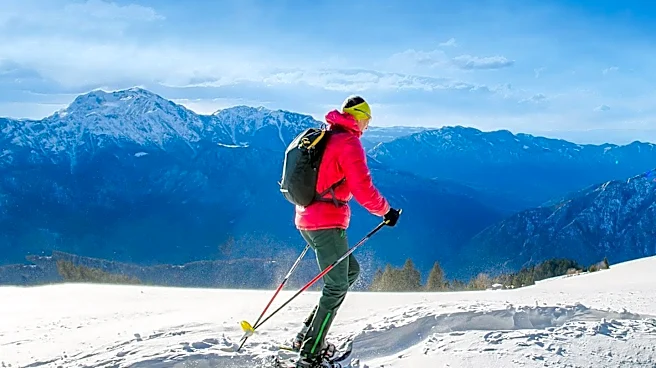
Snowshoeing is highlighted as an easily accessible winter activity, requiring no specialized lessons or expensive lift tickets. The fundamental technique closely mimics walking, involving a slightly wider stance and higher knee lift, allowing most beginners
to become comfortable within ten minutes. Participants use their own warm, waterproof winter boots, as snowshoes are designed to strap over existing footwear. Sizing of snowshoes is determined by the user's total loaded weight, including gear, rather than shoe size, to ensure proper flotation on snow. While snowshoeing is generally beginner-friendly, it is more physically demanding than walking on dry trails, especially in soft snow. Therefore, first-time snowshoers are advised to reduce their typical hiking distance by half. Optional poles can enhance balance, particularly on uneven terrain, and assist in recovering from falls. In certain regions, like Antarctica, guided snowshoe walks are offered as an additional excursion, subject to weather and snow conditions, providing a unique way to explore icy landscapes.
Why It's Important?
The accessibility of snowshoeing broadens participation in winter sports, offering a low-barrier entry point for individuals and families seeking outdoor recreation during colder months. This ease of access can contribute to public health by encouraging physical activity when other outdoor options might be limited. The minimal equipment requirements, primarily snowshoes and appropriate winter boots, make it a more affordable alternative compared to sports like skiing or snowboarding, which often demand significant investment in gear, lessons, and lift passes. This affordability can stimulate local economies in winter tourism areas, as more people are likely to engage in activities that don't require extensive financial outlay. Furthermore, the activity's simplicity reduces the need for specialized infrastructure, making it viable in diverse snowy environments, from groomed trails to backcountry settings, thus expanding recreational opportunities across various U.S. regions.
What's Next?
As snowshoeing gains popularity due to its accessibility, there may be an increased demand for rental services and guided tours in winter recreational areas. This could lead to more businesses offering snowshoe-specific equipment and experiences, potentially expanding the winter tourism market. Educational initiatives focusing on safety, proper sizing, and route planning for snowshoeing could also become more prevalent, especially for beginners. Organizations managing public lands might need to consider developing or designating more snowshoe-friendly trails and ensuring adequate signage to accommodate the growing interest. Additionally, advancements in snowshoe technology could continue to make the equipment lighter and more efficient, further enhancing the user experience and attracting a broader demographic to the sport.
Beyond the Headlines
The rise of accessible winter activities like snowshoeing reflects a broader societal trend towards embracing outdoor recreation for well-being and connection with nature. In an increasingly digital world, activities that offer a direct, unmediated experience of the natural environment are gaining value. Snowshoeing, with its quiet and immersive nature, provides an opportunity for mental rejuvenation and stress reduction, contrasting with the high-adrenaline, often crowded, atmosphere of other winter sports. This shift highlights a growing appreciation for simpler, more contemplative outdoor pursuits. It also underscores the importance of preserving natural winter landscapes, as these areas become vital for accessible recreational activities that support both physical and mental health, fostering a deeper environmental stewardship among participants.