


What's Happening?
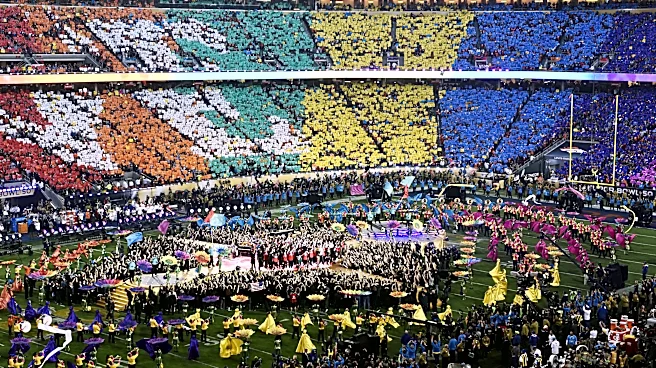
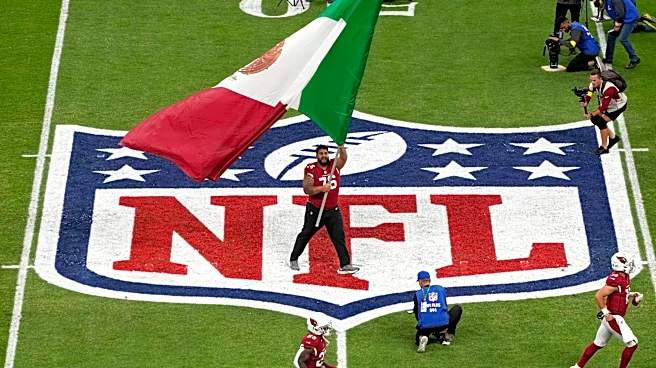
The National Football League (NFL) is significantly expanding its use of musical performances during halftime shows, moving beyond just the Super Bowl to include regular season games, both domestically and internationally. This season, the NFL has scheduled
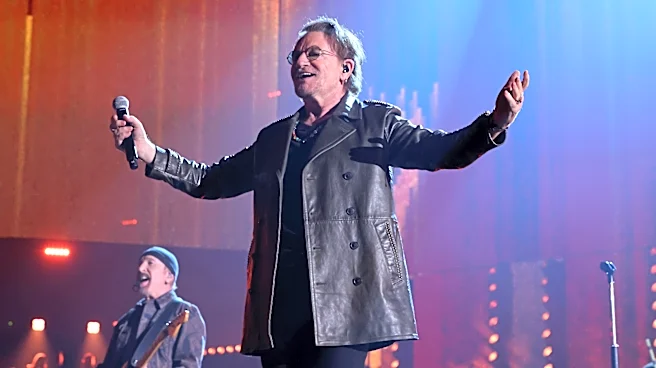
seven halftime shows, featuring artists like the Jonas Brothers in Melbourne, Ricky Martin in Rio de Janeiro, and U2 for a Netflix-partnered Thanksgiving Eve game at SoFi Stadium. This initiative is a concerted effort to transform games into broader cultural events, aiming to attract younger demographics and new fans to the sport. Jon Barker, senior VP of global event production and operations for the NFL, stated that Netflix has embraced this strategy, recognizing the success of the Super Bowl halftime show in drawing diverse audiences. Tyler Stimmel, a booking agent at UTA, noted that a recent USC Annenberg study indicated nearly 80 percent of Gen Z respondents would attend a sporting event due to concerts and brand activations rather than solely for the game.
Why It's Important?
This strategic shift by the NFL holds significant importance for the sports and entertainment industries, particularly in the U.S. By integrating high-profile musical acts into more games, the NFL aims to broaden its appeal beyond traditional football enthusiasts, tapping into casual and new fan bases. This approach could lead to increased viewership, higher attendance, and new revenue streams through partnerships with entertainment platforms like Netflix. For artists, these performances offer a massive platform to reach a wide, diverse audience, potentially boosting their global recognition and music sales. However, this strategy might alienate some older fans who prefer traditional halftime reports. The NFL's focus on younger and international audiences reflects a broader trend in sports leagues to adapt to evolving consumer preferences and maintain relevance in a competitive entertainment landscape, ensuring the long-term sustainability and growth of the sport.
What's Next?
The NFL plans to continue expanding its halftime ambitions, with Jon Barker indicating that the league has not yet reached the limit of its integration of music and entertainment. The success of these expanded halftime shows will likely be measured by metrics such as viewership numbers, fan engagement, and demographic shifts in their audience. Future developments could include more partnerships with streaming services and other media companies to create unique event-sized moments. The league will also need to balance the preferences of its traditional fanbase with its efforts to attract new, younger, and international audiences. The booking process, which involves coordinating with media rights partners and identifying artists who can fill stadiums and translate well on television, will remain complex as the NFL seeks the right balance to appeal to a global audience.
Beyond the Headlines
The NFL's embrace of music as a tool for cultural diplomacy and fan engagement highlights a deeper trend in how major sports leagues are positioning themselves within the broader pop culture ecosystem. This strategy transcends mere entertainment; it's about asserting the NFL's cultural relevance and creating a more immersive, multifaceted experience for consumers. The league views music, art, and fashion as interconnected avenues to draw people into the 'ecosystem of football.' This approach could lead to a redefinition of what a 'sporting event' entails, blurring the lines between sports, concerts, and cultural festivals. It also raises questions about the authenticity of fan engagement, as a significant portion of younger attendees may be drawn more by the ancillary entertainment than the sport itself. This shift could influence how other sports leagues and entertainment entities structure their events, prioritizing a holistic 'experience' over singular focus.