






What's Happening?
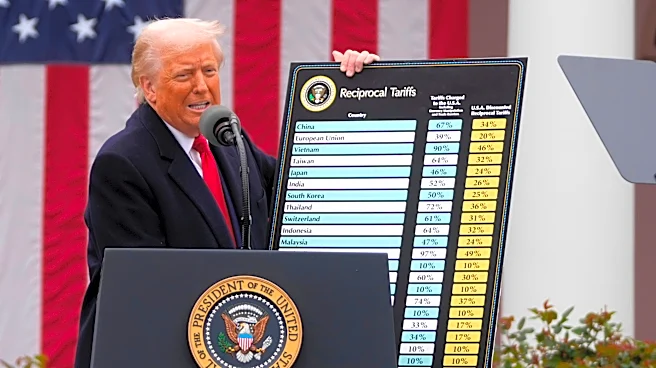
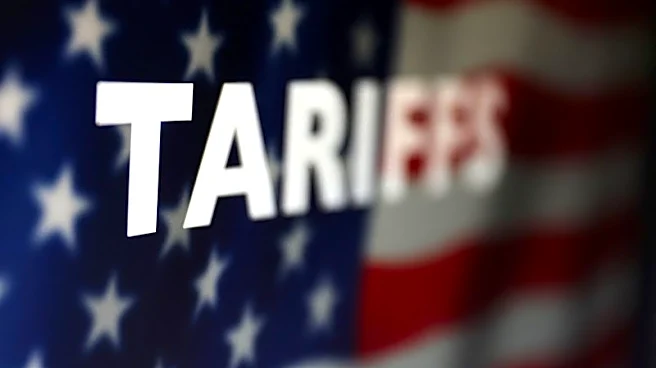
The United States has announced the imposition of new tariffs on imports from approximately 60 trading partners, including major allies such as the UK, EU, Canada, Japan, and India. These tariffs, ranging from 10% to 12.5%, are set to take effect on Friday.
The move is part of an effort to address claims that these countries have not adequately enforced bans on forced labor. This decision follows a ruling by the US Supreme Court earlier this year, which found that many tariffs imposed under emergency powers were illegally enacted. The administration, led by President Trump, is pursuing these tariffs as a means to protect American workers and ensure fair competition. The tariffs replace a temporary 10% global tariff that expired earlier this year. The US Trade Representative is also investigating 16 countries over claims of manufacturing overcapacity, which could lead to additional duties.
Why It's Important?
The imposition of these tariffs is significant as it represents a continuation of the trade war strategy employed by President Trump. The tariffs are intended to protect American manufacturing jobs and address trade imbalances. However, they have been met with opposition from affected countries, which argue that the tariffs are arbitrary and unjustified. The economic impact of these tariffs could lead to increased costs for businesses and consumers, as importers may pass on the additional costs through higher prices. This move could also strain diplomatic relations with key economic partners and potentially lead to retaliatory measures. The broader implications include potential shifts in global trade dynamics as countries seek to reduce their dependence on the US by forming new trade alliances.
What's Next?
In response to the new tariffs, affected countries are expected to explore legal challenges and consider imposing retaliatory duties. The US administration is preparing for further action, with ongoing investigations into manufacturing overcapacity in 16 countries. This could pave the way for additional tariffs later in the year. The situation may lead to increased tensions in international trade relations, with countries like China already expressing opposition to unilateral tariffs. The outcome of these developments will likely influence future trade policies and negotiations, as well as the global economic landscape.
Beyond the Headlines
The decision to impose tariffs under the guise of addressing forced labor concerns raises questions about the ethical and legal dimensions of trade policy. Critics argue that the justification of forced labor is being used as a pretext for broader economic objectives, such as reducing trade deficits and boosting domestic manufacturing. This approach may undermine international efforts to address human rights abuses genuinely. Additionally, the tariffs could have long-term effects on global supply chains, prompting businesses to reconsider their sourcing strategies and potentially leading to shifts in production locations.