






What's Happening?
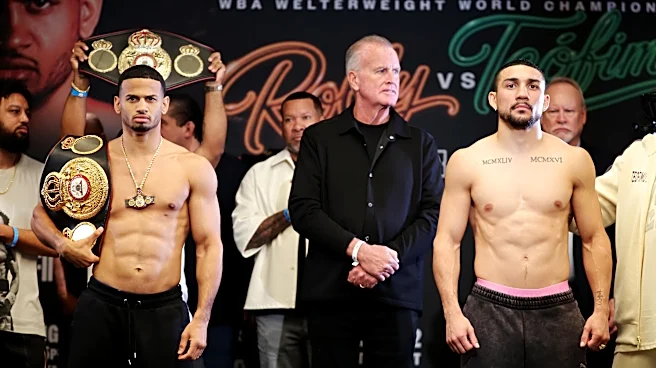
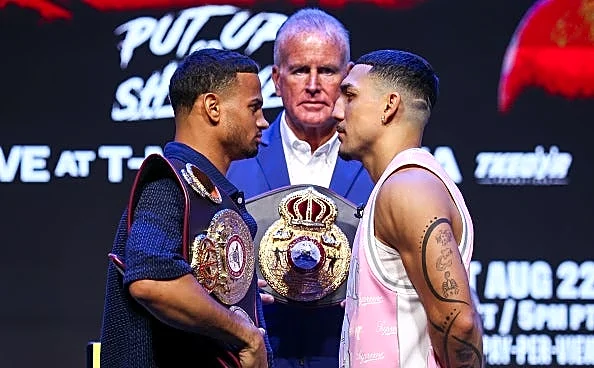
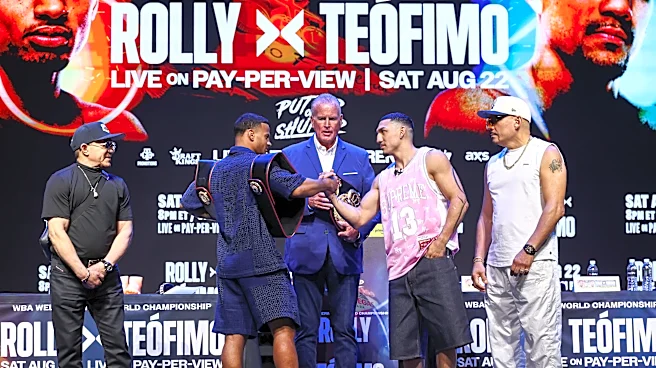
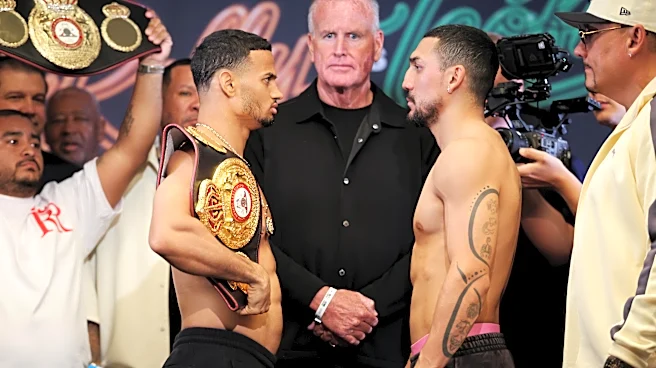
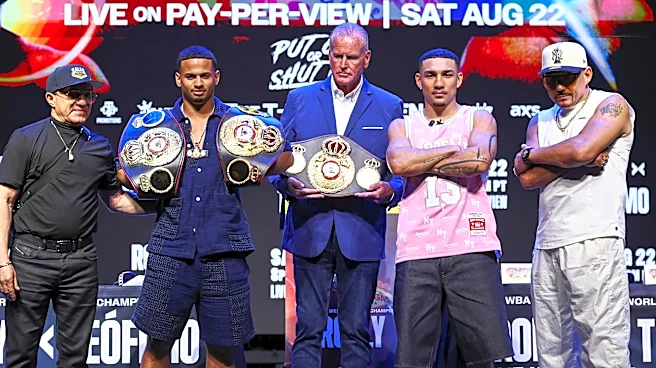
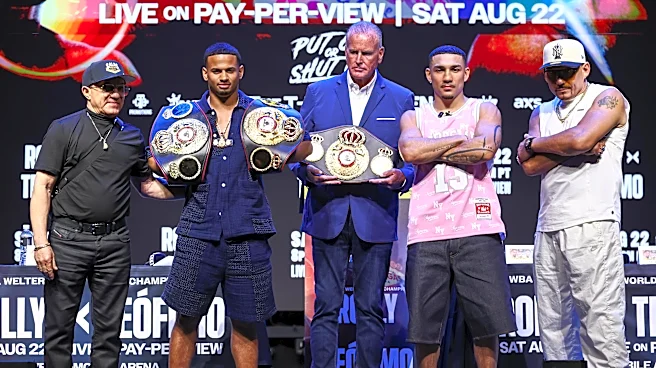
Teofimo Lopez has achieved a significant milestone in his boxing career, becoming a three-division world champion after defeating Rolly Romero. The fight, which took place on Saturday night, concluded with Lopez winning by majority decision. The judges'
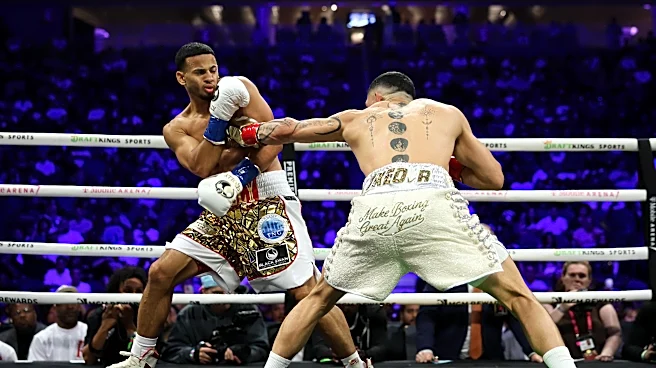
scorecards reflected a close contest, with one judge scoring it 114-114, while the other two favored Lopez with scores of 115-113 and 116-112. This victory earns the 29-year-old Lopez the WBA welterweight championship. He had previously held titles in the light welterweight and lightweight divisions. According to CompuBox statistics, Lopez demonstrated a clear advantage in punching, landing 124 total blows compared to Romero's 73, which included 62 power punches. Despite the statistics, Romero expressed disagreement with the decision, stating to ESPN's Brett Okamoto that he felt he was never in trouble and that the 114-114 scorecard indicated a 'robbery.' A notable moment occurred in the fifth round when Romero landed a right hook and followed with a flurry, causing Lopez to briefly touch his knee to the canvas, though it was not ruled a knockdown.
Why It's Important?
This victory is crucial for Teofimo Lopez, re-establishing his standing as a top-tier boxer following a unanimous decision loss to Shakur Stevenson in January. Securing a third divisional title elevates his status within the sport, potentially opening doors to more lucrative and high-profile fights in the welterweight division. For the boxing world, Lopez's win adds another compelling narrative to the sport, showcasing his resilience and ability to adapt and succeed across different weight classes. The controversial nature of the decision, particularly Romero's strong disagreement, could also fuel interest in potential rematches or further discussions about judging in boxing. This outcome impacts the competitive landscape of the welterweight division, positioning Lopez as a significant contender and potentially shifting future title fight opportunities for other fighters in the weight class. His ability to bounce back from a previous defeat with a championship win demonstrates his enduring relevance and competitive drive in professional boxing.
What's Next?
Following this victory, Teofimo Lopez is now positioned for future high-stakes bouts in the welterweight division. As the new WBA welterweight champion, he will likely face mandatory challengers or pursue unification fights against other champions in the division. The win could lead to negotiations for significant paydays and matchups that further solidify his legacy. Rolly Romero, despite his loss and disagreement with the judges' decision, may seek to challenge the outcome or pursue other fights to re-establish his position. The controversy surrounding the scoring could also generate public demand for a rematch, although Lopez's team may opt to move forward with other opportunities. The boxing community will be watching to see how Lopez leverages this championship win to advance his career, whether through defending his new title or seeking out other major opponents in the competitive welterweight landscape.
Beyond the Headlines
Lopez's journey to becoming a three-division champion highlights the intense pressures and strategic demands of professional boxing. His ability to overcome a recent loss and secure a new title underscores the mental fortitude required at the elite level of the sport. The debate over the judges' scoring in this fight also brings to light ongoing discussions within boxing about the subjective nature of judging and the impact it has on fighters' careers and public perception. Such close and contested decisions often spark broader conversations about transparency and consistency in scoring, which can influence future reforms or calls for greater accountability within boxing commissions. Furthermore, Lopez's achievement contributes to his personal narrative as a fighter who can adapt and succeed across multiple weight classes, a feat that often distinguishes boxing legends and shapes their long-term marketability and historical significance in the sport.