


What's Happening?
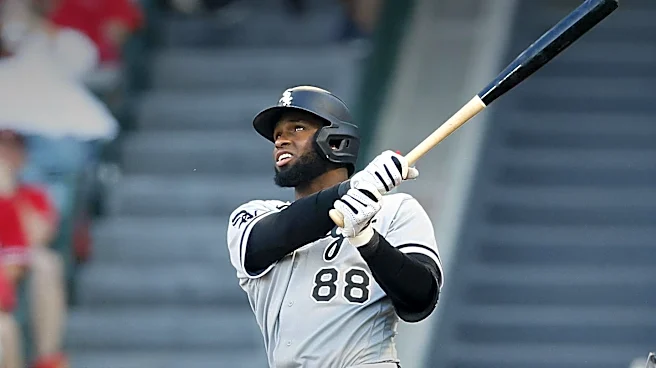
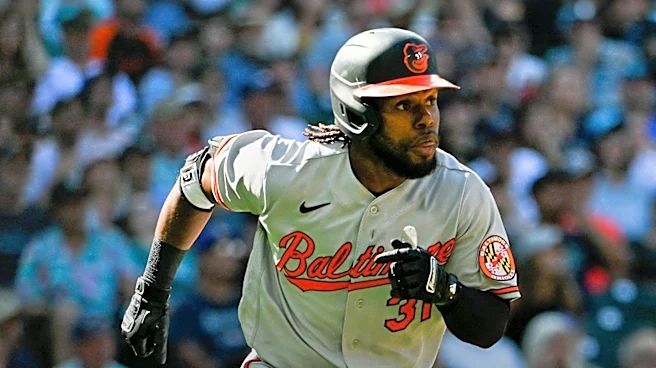
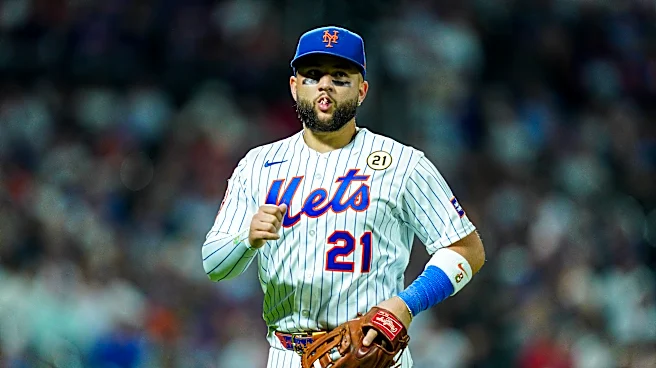
The Baltimore Orioles have declined the $20 million club option for outfielder Luis Robert Jr. for the 2027 season. This decision follows Robert's limited play and ongoing injury struggles since being claimed off waivers from the New York Mets on August
31. The Orioles assumed an obligation of approximately $4.9 million from the Mets, covering the remainder of his 2026 salary and a $2 million buyout for the 2027 option. Robert played only three games for the Orioles before being placed on the injured list due to hamstring issues, which ultimately ended his season. He had previously struggled to regain his All-Star form from 2023, hitting .221 with 11 home runs and 26 RBIs in 61 games this year. The Chicago White Sox had picked up his $20 million option for 2026 before trading him to the Mets last offseason. The Orioles also announced other roster moves, including right-hander Albert Suárez and infielder José Barrero clearing waivers and electing free agency, and right-handers Codi Heuer and Colin Selby being assigned to Triple-A Norfolk.
Why It's Important?
This decision by the Baltimore Orioles highlights the significant financial risks associated with player contracts, particularly for those with a history of injuries. By declining Robert's option, the Orioles avoid a substantial $20 million commitment to a player whose recent performance and health have been inconsistent. This move frees up considerable payroll flexibility, allowing the team to reallocate resources towards other roster needs, especially in the outfield where they are reportedly seeking additions. For Robert, this means entering free agency, where his market value will likely be impacted by his recent injury history and performance dip. Other teams will weigh his past All-Star potential against the risk of recurring health issues. The Orioles' action reflects a strategic shift to prioritize player availability and consistent performance, a common challenge for MLB teams managing high-value contracts.
What's Next?
Luis Robert Jr. will now become a free agent, seeking a new contract with another MLB team. It is possible the Orioles might consider re-signing him on a smaller, more team-friendly deal if he can demonstrate improved health, as they could use a right-handed bat in their outfield. However, his immediate future involves navigating the free-agent market. For the Orioles, declining this option is part of a broader offseason strategy to reshape their roster. They are expected to pursue other outfielders through trades or free agency to address their needs. The team also has other roster decisions to make, including a $7.5 million team option for first baseman Ryan Mountcastle for 2027. These moves will be crucial in determining the Orioles' competitiveness for the upcoming season, as they aim to build a more robust and reliable lineup.
Beyond the Headlines
The Orioles' decision regarding Luis Robert Jr. underscores a growing trend in professional sports where teams are increasingly cautious about long-term, high-value contracts for players with significant injury concerns. This approach prioritizes financial prudence and roster flexibility over retaining potentially high-upside but high-risk talent. The move also reflects the intense scrutiny on player health and performance analytics in modern baseball, where past achievements are weighed against current physical condition and future projections. For players, this emphasizes the critical importance of staying healthy and consistently performing to secure long-term financial stability. The broader implication is a potential shift in how teams manage their payrolls and construct their rosters, favoring shorter-term deals or performance-incentivized contracts for players with a history of injuries, thereby influencing the dynamics of the free-agent market.