





What's Happening?
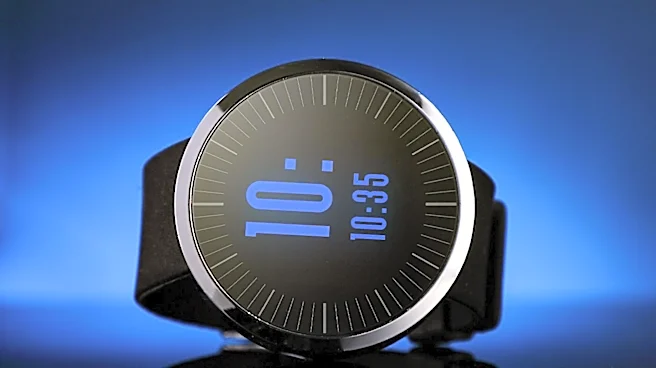
The Pebble Time 2 smartwatch, priced at $225, has been rebooted by its original founder, Eric Migicovsky, under his new company, Core Devices. This refreshed version distinguishes itself from competitors like the Apple Watch by prioritizing a fun, casual,
and playful user experience rather than functioning as a mini-computer. It features a color e-paper screen, physical buttons, and a silicone watch band, giving it a retro aesthetic and contributing to an impressive battery life of approximately 21 days. The device's software and extensive community support are central to its appeal, offering over 2,120 watch faces and apps, many of which were created by a dedicated hacker community. This community played a crucial role in keeping the original Pebble product alive after its acquisition by Fitbit and subsequent server shutdown. Core Devices has already shipped over 25,000 Pebble Time 2 watches across 93 countries, with a third device, the Pebble Round 2, expected to ship in September.
Why It's Important?
The re-emergence of the Pebble Time 2 signifies a notable trend in the smartwatch market, moving away from high-tech, feature-rich devices towards more niche, user-centric, and customizable options. This approach challenges the dominance of major tech companies by demonstrating that a strong community and a focus on specific user preferences can sustain a product. The emphasis on a long battery life and an e-paper screen offers an alternative for consumers who prioritize practicality and a less 'connected' experience over advanced functionalities and vibrant displays. The success of Core Devices in shipping tens of thousands of units globally indicates a demand for smartwatches that offer a distinct identity and a sense of nostalgia or 'hacker energy.' This development could encourage other manufacturers to explore diverse design philosophies and user engagement models, potentially fostering greater innovation and competition in the wearable technology sector. It also highlights the power of open-source initiatives and dedicated user communities in extending the lifespan and relevance of technology products.
What's Next?
Core Devices plans to continue evolving the Pebble Time 2, with new firmware updates released every few weeks and ongoing improvements to its companion mobile app. The company is also adding new APIs and features, including enabling the second microphone for noise cancellation. The upcoming launch of the Pebble Round 2 in September will further expand their product line. The continued growth of the Pebble community and its contributions to watch faces and apps will be crucial for the device's sustained appeal. However, the Pebble Time 2 faces ongoing limitations, particularly with iOS compatibility, which restricts its ability to perform actions on notifications or integrate fully with certain Apple apps. Core Devices will need to navigate these platform restrictions while continuing to highlight the unique benefits of a less connected, more customizable smartwatch experience. The long-term success of the Pebble Time 2 will depend on its ability to maintain its distinct identity and community engagement in a competitive market dominated by larger tech players.
Beyond the Headlines
The Pebble Time 2's revival offers a compelling case study in the power of community and the potential for 'retro-tech' to thrive in a market saturated with advanced, often complex, devices. Its success suggests a growing consumer desire for simpler, more focused technology that doesn't demand constant attention or engagement. This trend could reflect a broader societal pushback against digital overstimulation, where users seek devices that enhance specific aspects of their lives without becoming another source of distraction. The open-source nature of the original Pebble operating system and the subsequent community-driven development of apps and watch faces also highlight the enduring value of collaborative innovation outside traditional corporate structures. This model could inspire other tech companies to consider more open and community-centric approaches to product development and longevity. Furthermore, the Pebble Time 2's limitations with iOS, while a practical challenge, inadvertently reinforce its 'less connected' appeal, prompting users to re-evaluate their relationship with technology and embrace a more intentional digital lifestyle. This could contribute to a broader cultural shift towards digital minimalism and the appreciation of technology that serves rather than dictates.