



What's Happening?
As colder weather approaches and daylight hours diminish, houseplants require significant changes in their care routines to remain healthy, according to horticulture experts. Mark Sage, a horticulture expert at B&Q, emphasizes that the routines effective
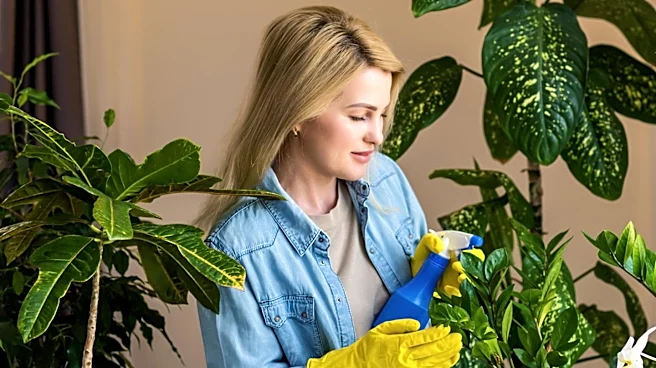
in summer can be detrimental during autumn and winter. Key adjustments include moving plants closer to windows for increased light, while simultaneously protecting them from cold drafts and radiators, which can cause yellowing leaves or root rot. Watering and feeding schedules also need to be reduced as plant growth naturally slows during these months. Overwatering can lead to root rot, and excessive feeding can cause salt buildup in the soil. Additionally, grouping plants together can help create a more humid microclimate, beneficial for many tropical houseplants, especially when indoor heating dries out the air. Regular cleaning of leaves with a microfiber cloth every one to two weeks is also crucial to remove dust, which can hinder photosynthesis and the plant's ability to absorb limited winter sunlight.
Why It's Important?
The proper care of houseplants during winter is important for maintaining their health and longevity, impacting both individual plant enthusiasts and the broader indoor plant market. Neglecting to adjust care routines can lead to widespread plant health issues, such as stunted growth, disease, and plant fatality, which can be costly for consumers who invest in houseplants. For the horticulture industry, providing clear guidance on seasonal plant care can enhance customer satisfaction and reduce returns or complaints related to plant health. Furthermore, as more individuals embrace indoor gardening for aesthetic and well-being benefits, understanding these seasonal shifts is crucial for successful plant keeping, fostering a more sustainable and enjoyable hobby. The advice helps prevent common mistakes that lead to plant stress, ensuring that plants continue to contribute positively to indoor environments.
What's Next?
Plant owners should immediately begin assessing their current houseplant care routines and make necessary adjustments as autumn transitions into winter. This includes evaluating plant placement relative to light sources, drafts, and heating vents. Monitoring soil moisture levels more closely and reducing the frequency of watering will be critical. Fertilization should be scaled back or paused entirely until spring, when active growth resumes. Implementing practices like grouping plants for humidity and regularly cleaning leaves will become standard winter maintenance. Horticulture retailers and experts will likely continue to provide seasonal advice and products, such as plant lights, to support consumers through the colder months. The ongoing adaptation of care routines will ensure houseplants remain vibrant and healthy, ready for renewed growth in the spring.
Beyond the Headlines
The need for seasonal adjustment in houseplant care highlights a broader principle of adapting to environmental changes, mirroring ecological concepts of plant dormancy and resource conservation in nature. This micro-level adaptation within homes reflects how living organisms respond to macro-environmental shifts. Ethically, it encourages a more mindful and responsive approach to plant ownership, moving beyond a one-size-fits-all mentality to a deeper understanding of plant physiology and environmental interaction. Culturally, the increasing popularity of houseplants, especially among urban dwellers, underscores a desire for connection with nature, even in confined spaces. The detailed care required during winter can foster a greater appreciation for the resilience and specific needs of living organisms, promoting a sense of responsibility and stewardship that extends beyond the plant pot to broader environmental awareness.