


What's Happening?
The Chicago Cubs are reportedly not expected to enter the bidding war for left-handed pitcher Tarik Skubal, widely considered the top starting pitcher available in the upcoming offseason. This decision comes despite the Cubs' significant need to bolster
their pitching rotation, as six pitchers who started at least nine games for the team in 2026 are now free agents. According to The Athletic's Sahadev Sharma, the Cubs' priority is to improve their starting pitching, but they appear hesitant to pursue Skubal, who would require a substantial financial commitment. This stance is particularly notable given that the Milwaukee Brewers, a division rival, recently won the World Series with a comparatively lower payroll, and the Cubs have not won a best-of-five or best-of-seven series since 2017. The team's reluctance to engage in a high-stakes bidding war for a top-tier free agent has raised concerns among fans and observers regarding the franchise's commitment to aggressive spending, especially considering their large market and wealthy ownership.
Why It's Important?
The Cubs' reported decision to shy away from pursuing Tarik Skubal has significant implications for their competitive outlook and the broader MLB free-agent market. For the Cubs, it suggests a continued strategy of avoiding top-dollar free-agent acquisitions, potentially relying more on player development and short-term deals. This approach, while sometimes successful, has not yielded a World Series title since 2016 and contrasts sharply with the aggressive spending patterns of other large-market teams. The reluctance to sign a player of Skubal's caliber, who would address a critical need for an ace pitcher, could hinder the Cubs' ability to contend seriously in the NL Central and the National League. For the league, it highlights the varying philosophies among franchises regarding payroll and team building, especially in an offseason potentially complicated by labor uncertainty and a looming lockout. This could influence how other teams approach their own free-agent targets, potentially creating opportunities for franchises willing to spend big.
What's Next?
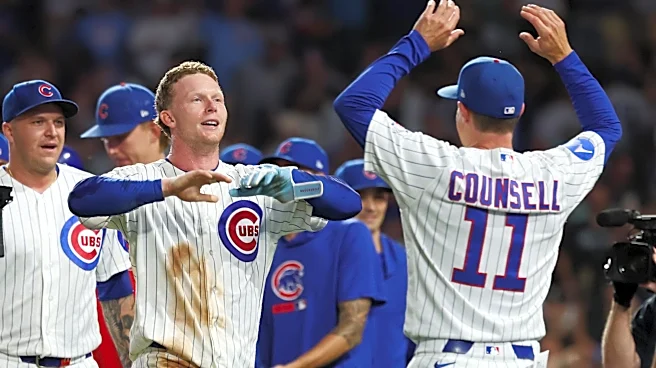
With the Cubs reportedly out of the running for Tarik Skubal, the team is expected to explore other free-agent pitching options. Sahadev Sharma indicated that Chicago will 'at least check in on every other free-agent pitcher' this offseason. Potential targets could include San Diego Padres right-hander Michael King and Freddy Peralta, who previously played under Cubs manager Craig Counsell in Milwaukee. The Cubs also face the challenge of filling other roster holes, including catcher and outfield, as key players like Ian Happ and Seiya Suzuki are also entering free agency. The upcoming offseason is further complicated by the potential for an MLB lockout after December 1, which could impact player movement and team negotiations. The Cubs' ability to address their pitching needs and other roster deficiencies through alternative free-agent signings or trades will be crucial in determining their competitiveness for the 2027 season.
Beyond the Headlines
The Cubs' cautious approach to the free-agent market, particularly their reported disinterest in Tarik Skubal, reflects a deeper organizational philosophy that prioritizes financial prudence over aggressive spending, even in a large market. This strategy has drawn criticism from fans who perceive it as a lack of ambition, especially when compared to the success of division rivals like the Brewers, who achieved a World Series title with a more modest payroll. The ongoing debate about the Cubs' spending habits touches upon the broader economic dynamics of MLB, where some large-market teams are perceived as underperforming their financial potential. The looming labor uncertainty and potential lockout further complicate this narrative, as teams and players navigate a landscape where financial decisions are intertwined with collective bargaining agreements. The Cubs' choices this offseason will not only shape their roster but also serve as a case study in the ongoing tension between financial strategy and competitive aspirations in professional baseball.