









What's Happening?
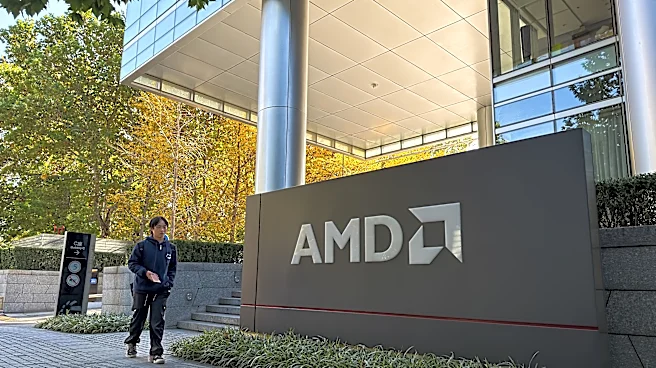
AMD is reportedly planning to increase the prices of its GPU and VRAM bundles by approximately 10% starting in July. This information, shared on a forum for manufacturers and partners, suggests that companies like Sapphire, Asus, and XFX have been informed
of the upcoming price hike. The increase is attributed to the ongoing memory crisis affecting the consumer PC hardware market. Historically, AMD and Nvidia have bundled video memory with GPUs to leverage economies of scale, but rising costs are now prompting price adjustments. While AMD has not officially confirmed the price increase, it is expected that the additional costs will eventually be passed on to consumers, affecting the retail prices of graphics cards.
Why It's Important?
The potential price increase is significant for both manufacturers and consumers in the graphics card market. As the cost of GPU and VRAM bundles rises, manufacturers may face higher production costs, which could lead to increased retail prices for graphics cards. This development comes amid a global memory shortage, which has already strained supply chains and affected pricing. Consumers, particularly PC gaming enthusiasts and professionals relying on high-performance graphics, may experience higher costs and limited availability. The situation underscores the broader challenges facing the tech industry, including supply chain disruptions and component shortages, which continue to impact pricing and availability across various sectors.
What's Next?
If the price increase is implemented, manufacturers will likely adjust their pricing strategies to accommodate the higher costs. Consumers may see gradual price hikes as existing inventory is sold and new stock reflecting the increased prices enters the market. The ongoing memory crisis suggests that these challenges may persist, potentially leading to further price adjustments in the future. Industry stakeholders, including manufacturers and retailers, will need to navigate these changes while balancing supply and demand. Additionally, consumers may need to adjust their purchasing decisions, potentially delaying upgrades or seeking alternative solutions.