



What's Happening?
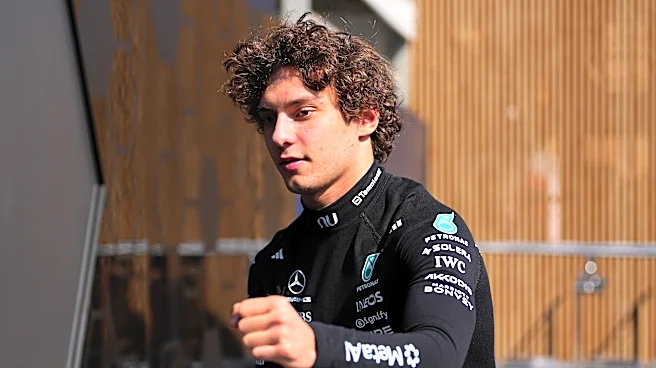
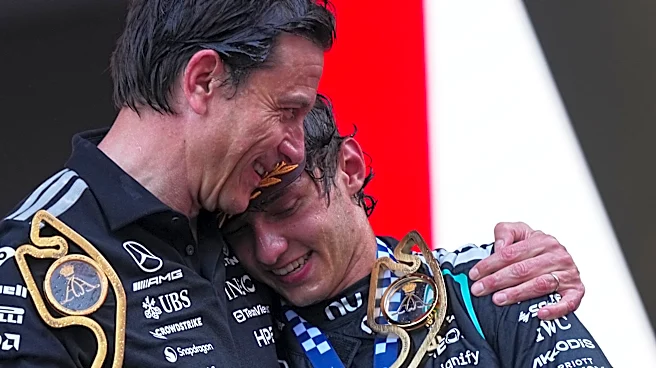
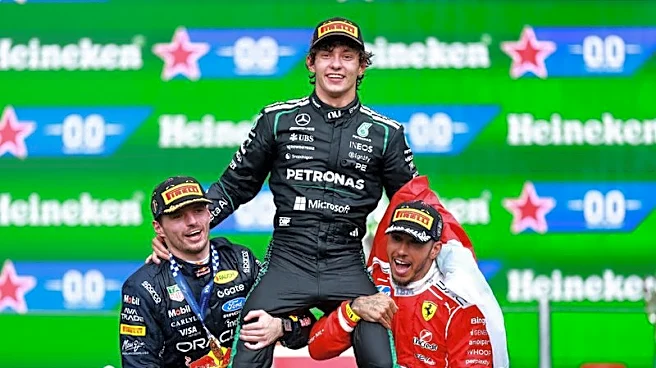
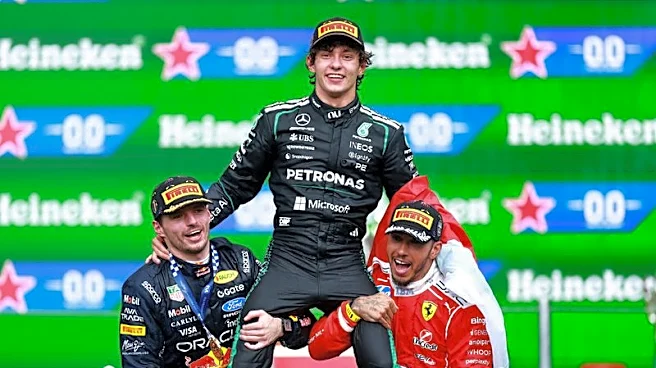
George Russell has publicly reflected on his difficult 2026 Formula 1 season, describing it as the first time in his career he experienced more bad days than good. His comments came via social media, following Kimi Antonelli's victory as the youngest
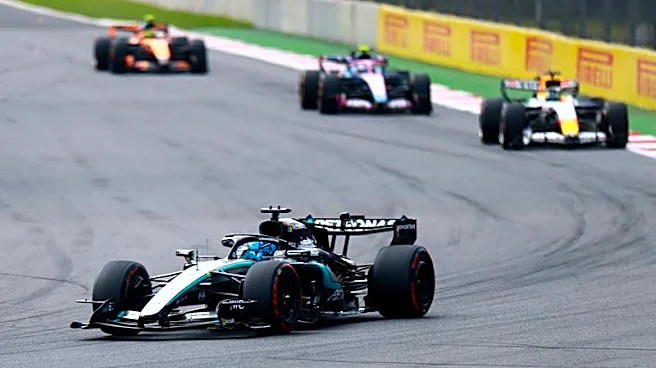
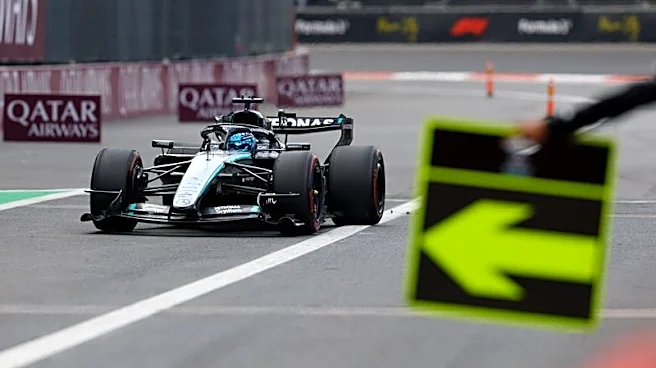
world champion in F1 history. Russell's season, which began with high hopes, was derailed by a combination of bad luck and poor performances. A recent race saw him lose multiple positions due to a clutch problem and incur a ten-second penalty after a collision with Isack Hadjar, ultimately finishing sixth and ending his championship aspirations. Despite his personal struggles, Russell extended congratulations to Antonelli and expressed gratitude to his Mercedes team for their efforts throughout the challenging year.
Why It's Important?
George Russell's candid reflection offers a rare glimpse into the psychological pressures faced by elite athletes in highly competitive sports like Formula 1. For U.S. sports fans and aspiring athletes, it underscores that even top-tier competitors encounter significant setbacks and emotional challenges. His acknowledgment of the difficulty in managing a season filled with adversity and moments of confusion provides a human element to the often-glamorized world of professional racing. This perspective can resonate with a broader audience, highlighting the importance of resilience and mental fortitude in achieving long-term success, even when immediate results are disappointing. It also emphasizes the team's role in supporting drivers through tough periods, showcasing the collaborative nature of F1 beyond individual performance.
What's Next?
Russell has pledged to dedicate himself fully for the remainder of the current season and throughout the next, aiming to regain his previous performance levels. His focus will be on working with the Mercedes team to overcome the issues that plagued his 2026 season. This commitment suggests an intense period of training, technical development, and strategic planning to improve his competitive standing. The upcoming season will be crucial for Russell to demonstrate his ability to bounce back from adversity and re-establish himself as a front-runner in Formula 1. His performance will be closely watched by fans and analysts, as it will indicate his capacity to convert past challenges into future successes.
Beyond the Headlines
Russell's experience this season touches upon the broader narrative of sports psychology and the impact of sustained pressure on performance. His public statement, made through social media rather than traditional media debriefings, also reflects evolving communication strategies for public figures. It highlights how athletes manage their public image and personal struggles in an era of constant scrutiny. The contrast between his initial hopes and the season's outcome serves as a powerful reminder that success in sports is rarely linear and often involves navigating periods of significant struggle. This narrative can inspire discussions about mental health in sports and the importance of a supportive environment for athletes facing professional challenges.