




What's Happening?
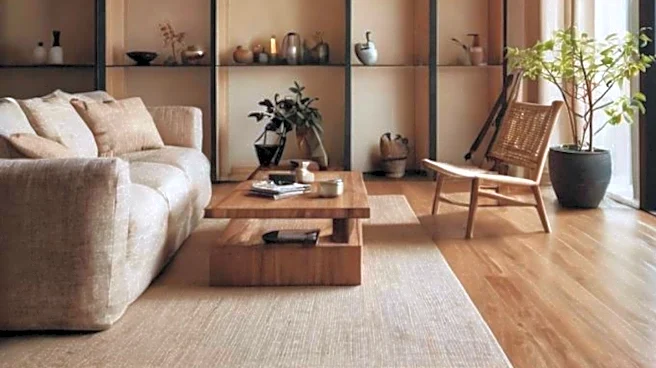
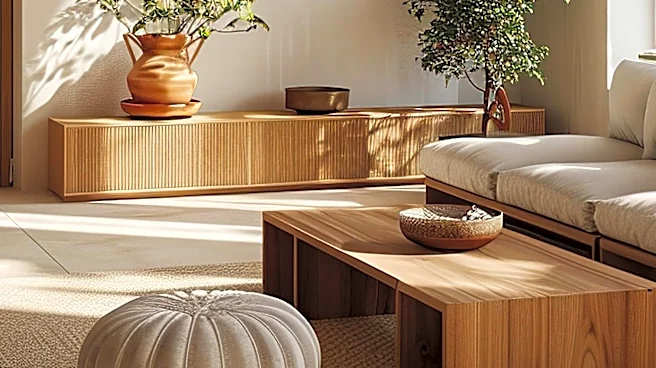
Rustic interior design, characterized by its simplicity and the beauty of aged materials, is experiencing a resurgence in popularity. This aesthetic draws heavily from vernacular building styles such as log cabins, Alpine chalets, farmhouses, and hunting
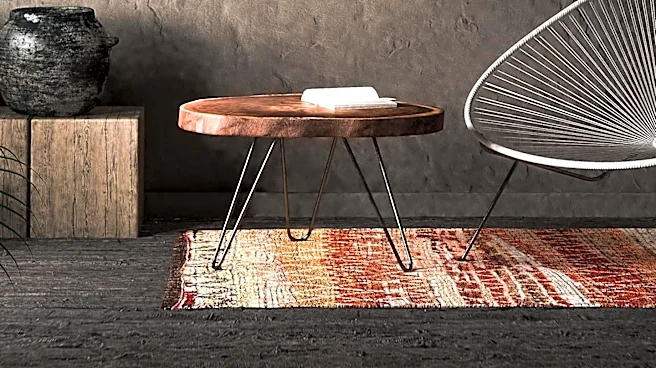
lodges, which historically utilized local timber and stone. Key elements of rustic design include exposed beams and trusses, large stone fireplaces, wide-board floors, wrought iron hardware, leather, and wool blankets. Furniture often features visible joinery, and the color palette typically consists of earthy tones like brown, rust, moss, and charcoal. Surfaces are frequently hand-hewn or retain tool marks, emphasizing a connection to craftsmanship and natural origins. The style gained prominence in the late 19th century with the development of Adirondack Great Camps and was later promoted by the National Park Service through 'parkitecture,' exemplified by Robert Reamer’s Old Faithful Inn.
Why It's Important?
The growing appeal of rustic design reflects a broader societal shift towards valuing authenticity, sustainability, and a connection to nature within living spaces. For U.S. consumers, this trend offers an alternative to more sterile or overtly modern aesthetics, providing a sense of warmth, history, and comfort. The emphasis on reclaimed barn wood, locally quarried stone, and salvaged beams also aligns with environmental arguments, as these materials reduce the need for new resources. This focus on sustainable and locally sourced materials can stimulate regional economies and craft industries. Furthermore, the style's ability to blend with 'mountain modern' aesthetics, incorporating heavy timber and large glazing, demonstrates its versatility and adaptability to contemporary architectural trends, making it relevant for a wide range of homeowners and designers across the country.
What's Next?
The continued evolution of rustic design is likely to see further integration with modern elements, creating 'modern rustic' or 'mountain modern' styles that balance raw, natural materials with sleek lines and contemporary comforts. Designers are expected to continue limiting the number of rough surfaces to maintain a controlled aesthetic, preventing the style from becoming overwhelming. The demand for reclaimed and salvaged materials will probably increase, driving innovation in sourcing and processing these resources. This trend could also influence the hospitality sector, with more hotels and retreats adopting rustic-luxury aesthetics, as seen in examples like the Urban Cowboy Tent, which blends vintage-inspired design with natural settings. Consumers can anticipate a wider availability of furniture and decor that embodies this blend of old-world charm and modern functionality.
Beyond the Headlines
Beyond its aesthetic appeal, the resurgence of rustic design touches upon deeper cultural and psychological implications. In an increasingly digital and fast-paced world, there's a yearning for grounding and simplicity, which rustic interiors inherently provide. The visible imperfections and aged qualities of materials can evoke a sense of history, resilience, and connection to a less complicated past. This aesthetic can also foster a greater appreciation for craftsmanship and the stories embedded within objects and structures. Ethically, the use of reclaimed materials promotes a circular economy and reduces environmental impact, aligning with growing ecological consciousness. The style's emphasis on natural light and organic textures can also contribute to well-being, creating calming and restorative environments that counter the stresses of modern life.