



What's Happening?
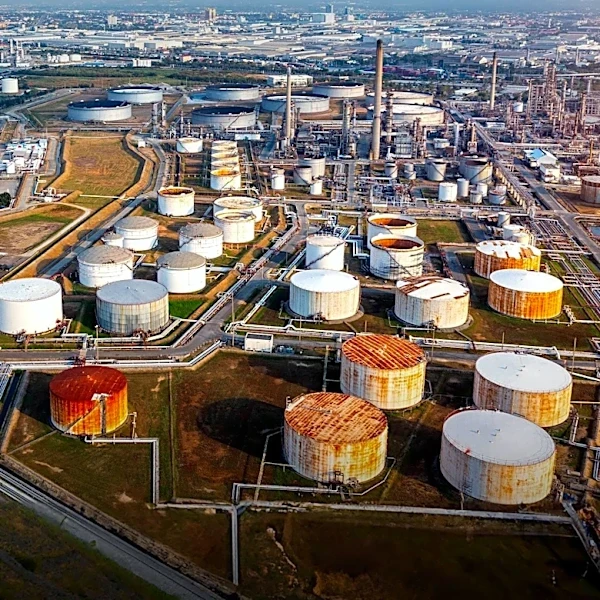
Major refiners and oil-producing firms are increasingly securing direct supply contracts with Venezuela's state-run Petróleos de Venezuela, S.A. (PDVSA), bypassing traditional commodity trading houses like Trafigura and Vitol. This shift comes after the
reopening of Venezuela's oil market, with companies such as Phillips 66 and India's Reliance Industries already signing direct agreements. Chevron Corp. has expanded its Venezuelan oil exports, averaging 293,000 barrels per day in the second quarter, and has increased its stake in the Petroindependencia joint venture. The U.S. Department of the Treasury had previously issued special licenses to Vitol and Trafigura, granting them a temporary monopoly on Venezuelan crude marketing. However, PDVSA is now restoring its pre-2019 business model, focusing on direct contracts with refiners.
Why It's Important?
The move to direct supply contracts with PDVSA allows refiners to avoid reseller premiums, potentially increasing their realized prices and reshaping refining economics in the U.S. Gulf Coast. This development could significantly impact global trading houses, which have historically dominated Venezuelan crude marketing due to their logistical capabilities and exclusive licenses. The shift may lead to increased competition among refiners and trading houses for Venezuelan crude, affecting market dynamics and pricing. Additionally, Chevron's expanded operations in Venezuela could enhance its cash flow, contributing up to $700 million annually, according to analysts.
What's Next?
As PDVSA continues to prioritize direct supply contracts, more refiners are expected to follow suit, potentially increasing Venezuelan crude exports. This could lead to further changes in global oil trade patterns, with refiners gaining more control over supply chains. The ongoing revival of Venezuela's oil trade faces challenges, including a shortage of functional oilfield services and equipment, which may impact production growth. Analysts estimate a potential 17% increase in crude production by 2028, contingent on overcoming operational limits.