





What's Happening?
Fitness retreats globally are increasingly offering specialized programs designed to support women through menopause and perimenopause. These retreats focus on holistic wellness, addressing various aspects such as nutrition, movement, sleep, stress management,
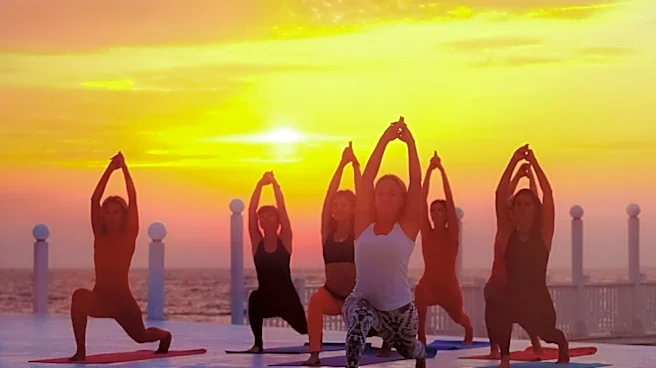
and relaxation. For instance, ZEM's Fusion Fitness program combines yoga, HIIT, Pilates, core stability, and strength conditioning, along with private physical performance sessions and recovery treatments. Chenot Palace Weggis provides a 'Prevention & Ageing Well' program that includes cardiovascular fitness, muscular strength, and movement assessments alongside personal training. The NHS recommends regular exercise, particularly weight-bearing and strength exercises, for maintaining bone health during and after menopause. These retreats aim to provide a supportive environment for women to understand their changing needs and develop healthy habits that can be sustained beyond the retreat.
Why It's Important?
The emergence of specialized fitness retreats for menopause and perimenopause highlights a growing recognition of women's health needs during this significant life stage. This trend is important for the wellness and healthcare industries, as it caters to a specific demographic seeking tailored solutions for symptoms like disrupted sleep, mood shifts, and changes in fitness and appetite. By offering structured programs that integrate medical expertise, nutritional guidance, and physical activity, these retreats can empower women to proactively manage their health. This also signifies a shift towards more personalized and holistic approaches to health, potentially influencing how wellness services are designed and marketed in the U.S. and globally. The emphasis on sustainable habits and long-term well-being can lead to improved quality of life for women and reduce the burden on conventional healthcare systems by promoting preventive care.
What's Next?
The trend of specialized wellness retreats is likely to expand, with more facilities incorporating programs tailored to specific health needs, including various stages of women's health. We can anticipate an increase in demand for retreats that offer a blend of medical consultations, diagnostic testing, and holistic therapies. This could lead to greater collaboration between medical professionals and wellness practitioners to create comprehensive programs. Furthermore, as awareness grows, there may be a push for insurance providers to consider covering aspects of these retreats, especially those with medically supported components, given their potential for long-term health benefits. The industry may also see the development of more accessible and diverse retreat options, catering to different budgets and preferences, ensuring that more women can access these supportive environments.
Beyond the Headlines
Beyond the immediate benefits of physical and mental well-being, these specialized retreats contribute to a broader cultural shift in how menopause is perceived and managed. Historically, menopause has often been a topic shrouded in silence or approached solely from a medical perspective. These retreats normalize discussions around menopausal symptoms and empower women to take an active role in their health journey. They foster a sense of community and shared experience, which can be crucial for emotional support. Ethically, the focus on personalized care and sustainable habits promotes a more responsible approach to health, moving away from quick fixes towards long-term lifestyle changes. This could also influence public policy discussions around women's health, potentially leading to more comprehensive support systems and resources for women navigating menopause in the U.S.