






What's Happening?
The Doha Film Festival (DFF) 2026 is scheduled to open on November 19, 2026, and will run until November 27, showcasing 104 films from 60 countries. The festival will include 17 world premieres and 48 Middle East and North Africa (MENA) premieres. The opening
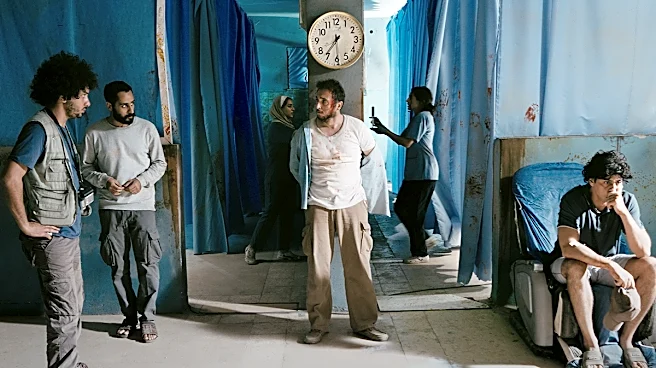
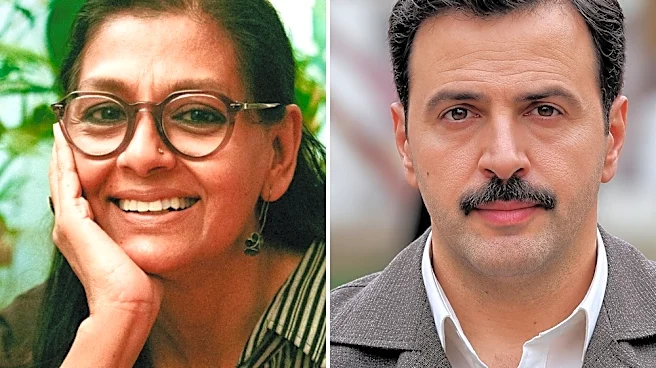
film will be 'The Station,' a debut feature by Yemeni-Scottish filmmaker Sara Ishaq, which explores themes of solidarity and family relationships in war-torn Yemen. The program highlights the Doha Film Institute’s (DFI) commitment to regional filmmaking and independent cinema, featuring 11 DFI-supported films and seven films by women filmmakers. Competition categories include International Feature Film, International Short Film, Made in Qatar, and the Ajyal Film Competition for young filmmakers. A new program, Cinema Alkhaleej, will focus on stories from the Gulf region. Several notable filmmakers, artists, and activists, including Gianfranco Rosi, Taim Hasan, and Nandita Das, are expected to attend.
Why It's Important?
The Doha Film Festival serves as a significant platform for promoting independent and regional cinema, particularly from the Middle East and North Africa. By featuring a substantial number of world and MENA premieres, the festival helps introduce diverse narratives and emerging talents to a global audience. The emphasis on films supported by the Doha Film Institute and those by women filmmakers underscores a commitment to fostering underrepresented voices in the industry. This focus can contribute to a richer and more varied cinematic landscape, potentially influencing international film trends and cultural exchange. For U.S. audiences and industry professionals, the festival offers an opportunity to discover films that might otherwise not gain widespread distribution, providing fresh perspectives and artistic approaches from different parts of the world.
What's Next?
Following its opening on November 19, 2026, the Doha Film Festival will continue for eight days, offering a comprehensive program of screenings, industry events, and cultural activities. Audiences and industry professionals will have opportunities to engage with filmmakers and explore various cinematic perspectives. The festival's impact will likely extend beyond its duration, as the exposure gained by featured films and filmmakers could lead to further distribution deals, international recognition, and collaborations. The introduction of the Cinema Alkhaleej program suggests a growing focus on Gulf cinema, which could lead to increased investment and development in filmmaking within that region. The participation of renowned figures like Gianfranco Rosi will also draw significant attention to the festival and its curated selections.
Beyond the Headlines
The Doha Film Festival's dedication to independent and regional cinema, especially from the MENA region, carries deeper cultural and geopolitical implications. In a world often dominated by mainstream Hollywood productions, festivals like DFF provide crucial counter-narratives and diverse cultural expressions. By showcasing films that explore complex social and political issues, such as 'The Station's' depiction of women in war-torn Yemen, the festival contributes to a global dialogue and fosters empathy across borders. This initiative can help challenge stereotypes and promote a more nuanced understanding of different cultures. Furthermore, supporting women filmmakers and regional stories can empower local creative industries and contribute to the development of unique cinematic identities, enriching the global tapestry of film.