




What's Happening?
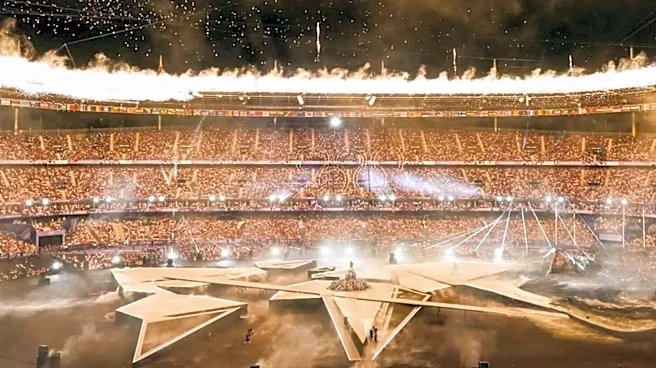
The Commonwealth Games are exploring new strategies to ensure their survival, including the potential inclusion of non-traditional sports like yoga and kabaddi. The recent Glasgow 2026 Games, which were organized on short notice after Victoria's withdrawal,
demonstrated the financial and logistical challenges facing the event. Despite these hurdles, the Games achieved an 87% ticket sales rate, showcasing public interest. However, the absence of major broadcasters like the BBC and the withdrawal of top athletes such as Keely Hodgkinson and Summer McIntosh have raised concerns about the event's future viability.
Why It's Important?
The Commonwealth Games have historically been a significant sporting event, but recent financial difficulties and the withdrawal of host cities have put their future in jeopardy. The inclusion of new sports aims to attract a broader audience and increase participation, but it also raises questions about the Games' identity and tradition. The financial model of the Games is under scrutiny, with the need for sustainable funding and government support becoming increasingly apparent. The decisions made now could shape the future of the Games and their role in the international sporting landscape.
What's Next?
The Commonwealth Games organizers are considering various strategies to secure future events, including government underwriting and increased sponsorship. The potential inclusion of new sports will be evaluated for their appeal and compliance with international standards. The next host city, Amdavad, India, is expected to deliver a larger event with more sports, which could set a precedent for future Games. The success of these initiatives will be crucial in determining whether the Commonwealth Games can continue to thrive in a competitive sporting environment.