
What's Happening?
The City of Covington, Kentucky, is proceeding with a $100 million mixed-use development project on 23 acres of former federal land along its Riverwalk. This site previously housed an Internal Revenue
Service campus. The ambitious plan envisions a new neighborhood featuring homes, shops, and public spaces, designed to attract both residents and tourists to the riverfront area. City leaders, including Covington Economic Development Director John Sadosky, initiated groundbreaking for the project in July. The city acquired the land from the federal government, and the substantial investment is intended to support private development by funding essential infrastructure such as roads, utilities, parks, plazas, and a 670-space public parking facility. The development is also slated to include 269 market-rate apartments.
Why It's Important?
This $100 million development represents a significant economic and urban revitalization effort for Covington. By transforming a previously federal site into a vibrant mixed-use community, the city aims to generate substantial tax revenue through increased shopping, hotel stays, and property taxes. The project is expected to stimulate private investment, creating jobs and fostering economic growth in the region. The inclusion of residential units, retail spaces, and public amenities will enhance the city's appeal as a place to live, work, and visit, potentially drawing new residents and businesses. This initiative also underscores a broader trend in urban planning where former industrial or governmental sites are repurposed to create dynamic, walkable communities, contributing to sustainable urban development and improved quality of life for citizens. The project's success could serve as a model for other cities looking to revitalize underutilized land.
What's Next?
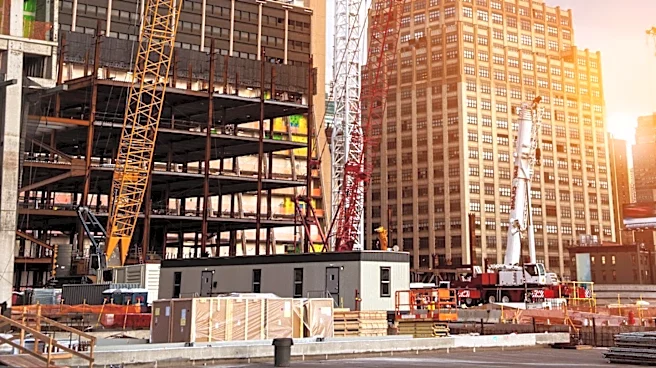
Construction on the Riverwalk development is currently underway, with visible progress on the site. While a definitive timeline for completion has not been established, city officials anticipate that more buildings will take shape in the coming years. The focus will remain on developing the foundational infrastructure, including roads, utilities, and public spaces, to facilitate subsequent private sector investments in residential and commercial properties. The city will likely continue to engage with potential developers and businesses to fill the retail and housing components of the project. Monitoring the project's progress, managing construction phases, and ensuring adherence to the master plan will be critical next steps. The long-term success will depend on attracting the intended mix of residents and businesses, and the city will need to implement strategies to promote the new neighborhood as a desirable destination.
Beyond the Headlines
The transformation of the former IRS site into a mixed-use development carries deeper implications for Covington's identity and future. It signifies a strategic pivot towards leveraging its riverfront assets for economic and social benefit, moving away from a past dominated by federal administrative functions. This project could redefine Covington's urban landscape, fostering a more pedestrian-friendly and community-oriented environment. The emphasis on public spaces and drawing tourists suggests a vision for Covington as a regional destination, potentially boosting its cultural and recreational offerings. However, such large-scale developments also raise questions about affordability, gentrification, and ensuring that the benefits are equitably distributed among existing and new residents. The city's ability to balance economic growth with community inclusivity will be a critical aspect of this generational project's legacy.