









What's Happening?
As temperatures rise, personal cooling devices are becoming essential tools for managing heat-induced skin irritation. According to a recent article, these devices, ranging from wearable neck fans to cryo-inspired cooling plates, are designed to alleviate
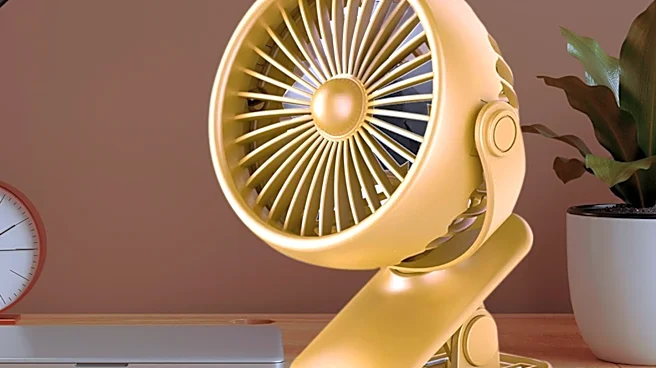
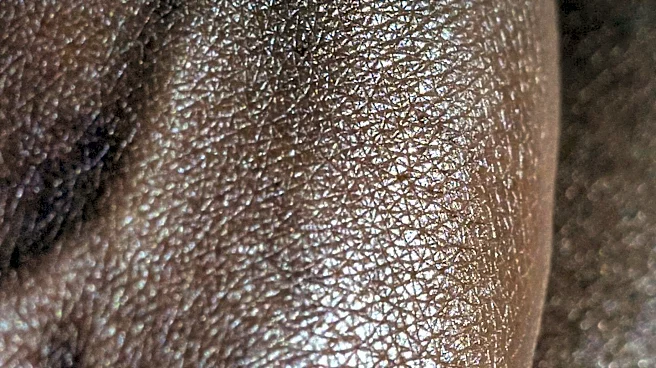
discomfort caused by heat and humidity. Dermatologist Dr. Sharon Scherl explains that heat can trigger inflammatory skin conditions like rosacea and eczema by activating certain skin receptors and increasing blood flow, leading to redness and irritation. Additionally, sweat can irritate the skin and compromise its barrier, resulting in transepidermal water loss (TEWL) and increased inflammation. Personal fans, such as the Shark ChillPill and Jisulife Portable Neck Fan, provide a practical solution by offering customizable cooling options to help manage these symptoms.
Why It's Important?
The increasing prevalence of heat waves and rising temperatures due to climate change make personal cooling devices more relevant than ever. These gadgets not only provide immediate relief from heat but also help prevent long-term skin damage. Chronic exposure to heat can degrade collagen and elastin, accelerating skin aging. By mitigating heat exposure, these devices can reduce the risk of premature aging and other skin issues. Furthermore, they offer a convenient and portable solution for individuals who experience discomfort during hot weather, making them valuable for both personal and public health. As the demand for such devices grows, it highlights the need for innovative solutions to adapt to changing environmental conditions.
What's Next?
As the market for personal cooling devices expands, manufacturers are likely to continue innovating to meet consumer needs. Future developments may include more energy-efficient models, enhanced portability, and integration with smart technology for personalized cooling experiences. Additionally, as awareness of the health impacts of heat exposure increases, there may be a push for broader adoption of these devices in public spaces and workplaces. Policymakers and public health officials might also consider promoting the use of personal cooling devices as part of heatwave preparedness strategies, especially for vulnerable populations.
Beyond the Headlines
The rise of personal cooling devices also raises questions about accessibility and affordability. As these gadgets become more popular, ensuring that they are available to all segments of the population, including low-income communities, will be crucial. Moreover, the environmental impact of producing and disposing of these devices should be considered, prompting manufacturers to explore sustainable materials and production methods. The trend also reflects a broader cultural shift towards prioritizing personal comfort and health in response to environmental challenges.