

What's Happening?
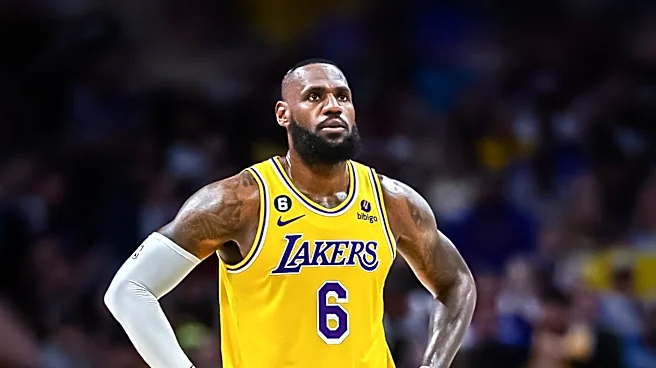
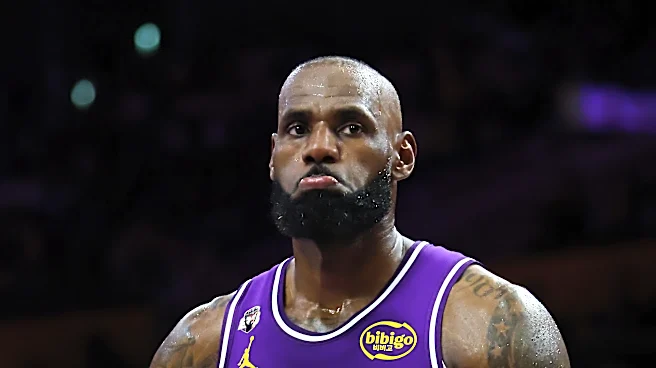
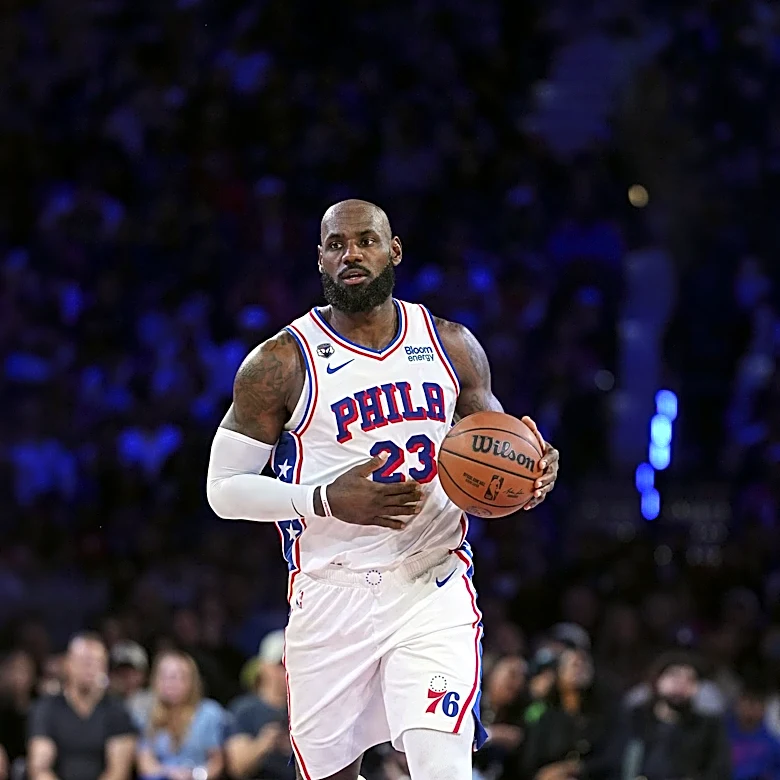
LeBron James, a forward for the Philadelphia 76ers, has publicly denied an ESPN report claiming he asked the team for patience regarding his conditioning. The report, attributed to Dave McMenamin, suggested James verbalized a request for the 76ers to be
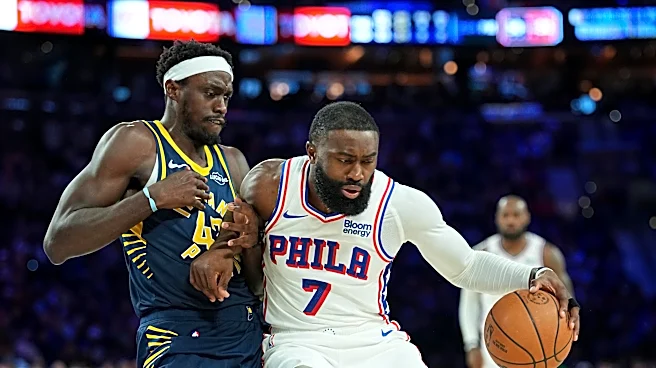
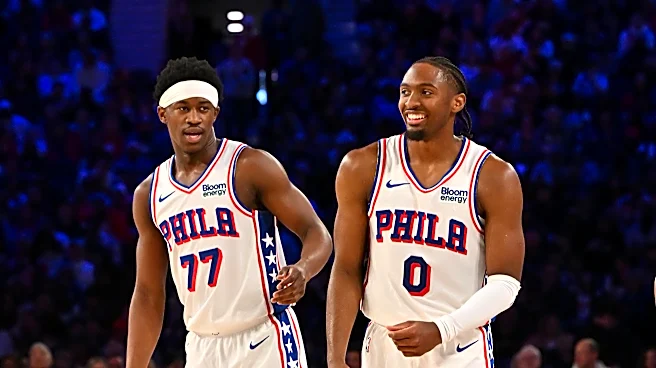
patient as he ramps up his conditioning to peak form. James directly disputed this on Instagram, stating, “Those words never came out of my mouth!” James, who is 41 years old and in his 24th NBA season, has been managing injuries, including sciatica in his back, leading him to miss games for injury management. He is currently averaging 15.1 points, 7.2 rebounds, and 6.9 assists per game, and has adopted a measured approach to his play, focusing on facilitating for teammates like Tyrese Maxey and Jaylen Brown. The 76ers have started the season with a 12-3 record.
Why It's Important?
This dispute highlights the ongoing tension between professional athletes and sports media, particularly concerning reports about player health and team dynamics. For LeBron James, a high-profile athlete, controlling his narrative is crucial for maintaining his public image and leadership within the team. An unverified report about his conditioning could imply a lack of readiness or commitment, potentially affecting team morale or public perception. For the Philadelphia 76ers, such reports, even if denied, can create unnecessary distractions, especially for a team that has started strong and is considered a contender. The incident also underscores the scrutiny faced by veteran players, whose physical conditioning is often a subject of intense media and fan interest, impacting their perceived value and performance expectations.
What's Next?
Following James's direct denial, the immediate focus will likely shift to his on-court performance and continued integration with the 76ers. The team will aim to maintain its strong start to the season, with James playing a pivotal role in their success. Media outlets, including ESPN, may face pressure to clarify or retract the report, or provide further evidence to support their claims. This incident could also lead to increased caution from James and his representatives in their interactions with the media, potentially affecting future access or information flow. The broader implication for sports journalism is a renewed emphasis on verifying sources and direct quotes, especially when reporting on sensitive topics like player health and team strategy.
Beyond the Headlines
This event touches upon the broader theme of information control and the power dynamics between athletes and media in the digital age. Athletes like James increasingly use social media platforms to directly address and refute reports, bypassing traditional media channels. This shift empowers athletes to shape their own narratives but also places a greater burden on them to manage public perception. The incident also raises questions about journalistic ethics and the responsibility of media outlets to ensure accuracy, particularly when reporting on unconfirmed information. In the long term, such disputes could contribute to a more fragmented sports media landscape, where fans seek information directly from athletes or alternative sources, challenging the traditional role of established sports news organizations.