









What's Happening?
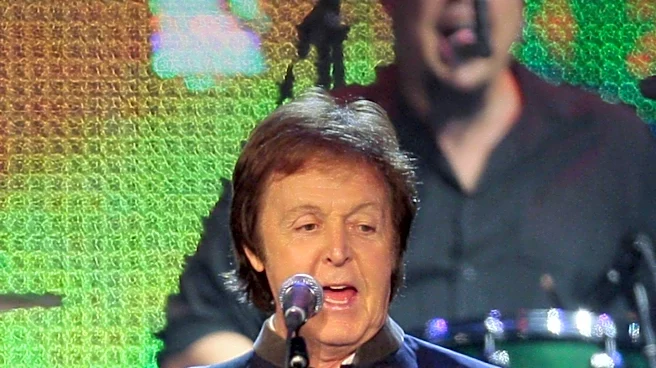
Paul McCartney, the former member of The Beatles, has entered the billionaire club, securing the third position on Forbes' list of the world's richest musicians with an estimated net worth of $1.4 billion. At 84 years old, McCartney's wealth has been
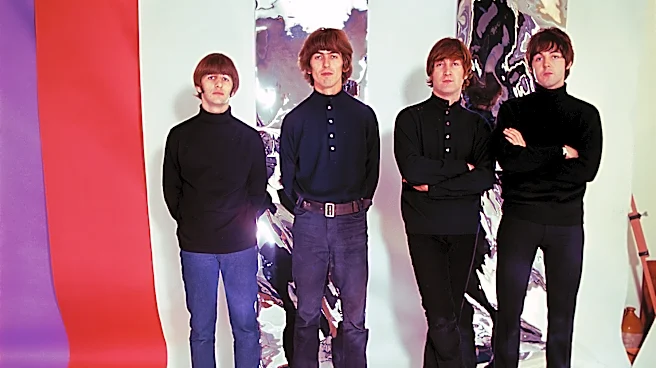
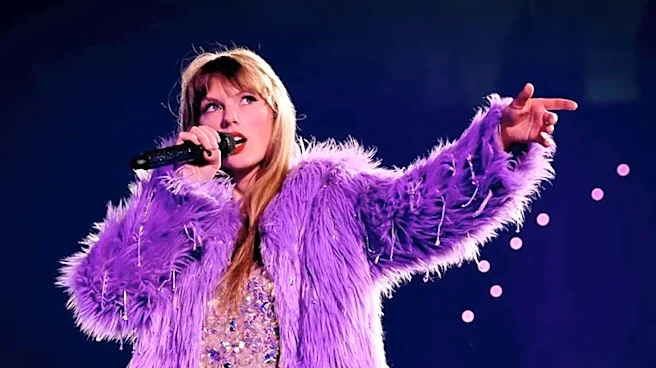
accumulated over decades through various income streams, including his extensive music catalog, publishing rights, touring, and business interests. His company, MPL Communications, holds the publishing rights to thousands of songs, including works by Buddy Holly and Broadway shows like 'Grease.' Additionally, he earns from The Beatles' recordings and songwriting rights, with Forbes estimating his share in the band's Apple Corps business to be over $150 million. He ranks behind Jay-Z, who leads the list with $2.8 billion, and Taylor Swift, whose fortune stands at $2 billion.
Why It's Important?
Paul McCartney's inclusion in the billionaire musicians' list underscores the enduring financial power of intellectual property and diversified income streams within the entertainment industry. His wealth, largely built on music publishing and catalog ownership, highlights the long-term value of creative assets. This achievement is significant for the music industry as it demonstrates that sustained success and strategic business ventures can lead to immense financial prosperity, even for artists who began their careers decades ago. For U.S. artists and industry stakeholders, McCartney's model provides a blueprint for wealth creation beyond initial record deals and touring, emphasizing the importance of owning masters and publishing rights. His story also illustrates the potential for artists to maintain relevance and generate substantial income well into their later years, challenging conventional career longevity expectations in entertainment.
What's Next?
McCartney's continued financial success, even at 84, suggests that his music catalog and business ventures will likely remain significant assets for years to come. The valuation of his assets, particularly his publishing rights and share in Apple Corps, could continue to appreciate, especially with ongoing interest in The Beatles' legacy and the broader music market. This could also inspire other established artists to more actively manage and monetize their intellectual property. The trend of musicians achieving billionaire status, as seen with Jay-Z and Taylor Swift, indicates a growing financial sophistication within the music industry, where artists are increasingly leveraging their brands and assets beyond traditional performance and recording. Future analyses of musician wealth will likely continue to focus on diversified portfolios and ownership stakes.
Beyond the Headlines
McCartney's journey from a working-class background in Liverpool to becoming one of the world's richest musicians offers a compelling narrative about the transformative power of talent, perseverance, and astute business decisions. His early experiences with unfavorable record deals, where The Beatles earned less than a penny per album, highlight the historical exploitation within the music industry and underscore the importance of artists gaining control over their work. His current wealth, largely derived from owning publishing rights, serves as a powerful testament to the value of intellectual property and the shift towards artists retaining more control over their creations. This also raises broader discussions about artist rights, fair compensation, and the long-term economic impact of creative works in the digital age, influencing how new artists approach contracts and career management.