





What's Happening?
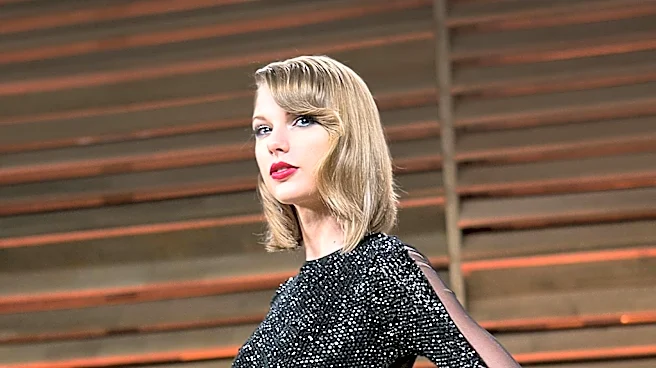
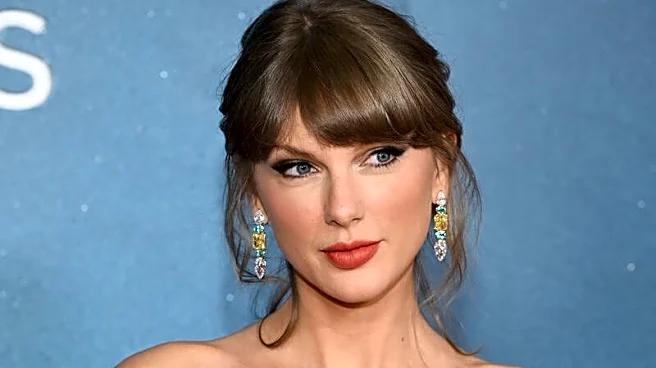
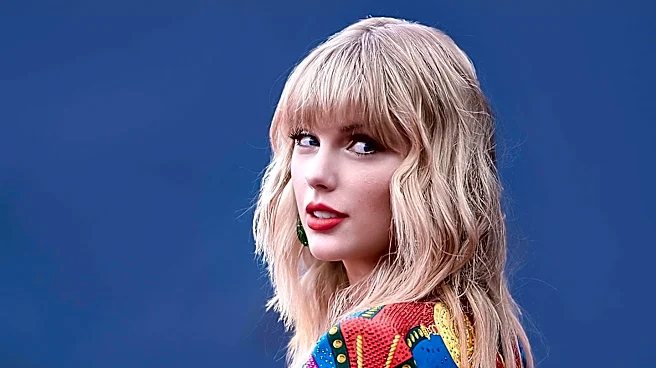
A recent Vanity Fair article titled 'The Mastermind,' reportedly an extensive profile on Taylor Swift, has faced significant backlash for its journalistic approach. The piece, which never explicitly names Swift but refers to her as 'The Star,' has been
criticized for its use of euphemisms for key figures and its perceived lack of substantial reporting despite claiming over 100 sources. Critics argue that the article, written by May Jeong, reads more like a commentary or an opinion piece rather than an objective, reported profile. The article quotes only a handful of named sources, primarily individuals from Swift's past like school teachers and classmates, and several anonymous sources who reportedly offer little significant new information. This has led to questions about the editorial oversight and the overall quality of the journalism presented in the piece, with some comparing its stylistic choices to previous criticized works in American journalism.
Why It's Important?
This situation is important as it raises questions about journalistic integrity and editorial standards within high-profile publications. The criticism directed at Vanity Fair highlights a broader concern regarding the blurring lines between reported journalism and opinion pieces, especially when presented as extensive investigative work. For the entertainment industry, such articles can influence public perception of major figures like Taylor Swift, regardless of the factual basis or journalistic rigor. It also impacts the credibility of media outlets, as readers may become more skeptical of reporting that employs unconventional narrative techniques or relies heavily on unnamed sources without delivering substantial revelations. The debate around this article could prompt discussions within the media industry about best practices for celebrity profiles and the ethical responsibilities of journalists and editors.
What's Next?
The immediate aftermath may involve continued public discussion and debate within media circles regarding the article's merits and flaws. Vanity Fair and the author, May Jeong, might face further scrutiny or be prompted to offer clarifications regarding their journalistic methodology. This event could also influence how other publications approach celebrity profiles, potentially leading to a re-evaluation of editorial guidelines for such pieces. For Taylor Swift and her team, the article may necessitate a response or a strategic communication approach to manage public perception, although the source does not indicate any direct action from her. The broader impact could be a heightened awareness among readers about distinguishing between reported facts and subjective commentary in media.
Beyond the Headlines
Beyond the immediate controversy, this incident touches upon deeper implications concerning the evolving landscape of journalism and celebrity culture. The use of euphemisms and unnamed sources, while sometimes necessary, can also be perceived as a tactic to generate intrigue without providing concrete evidence, potentially eroding trust in media. It also reflects the intense scrutiny public figures like Taylor Swift face, where even seemingly minor details from their past are dissected. Ethically, the article raises questions about fairness and balance in reporting, especially when a piece is framed as an objective profile but is perceived as critical without substantial new information. Culturally, it underscores the power of celebrity narratives and how media outlets attempt to engage with and shape these narratives, sometimes at the risk of their own journalistic credibility.