








What's Happening?
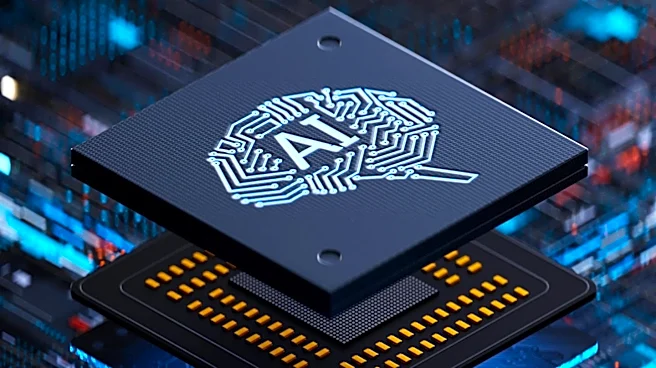
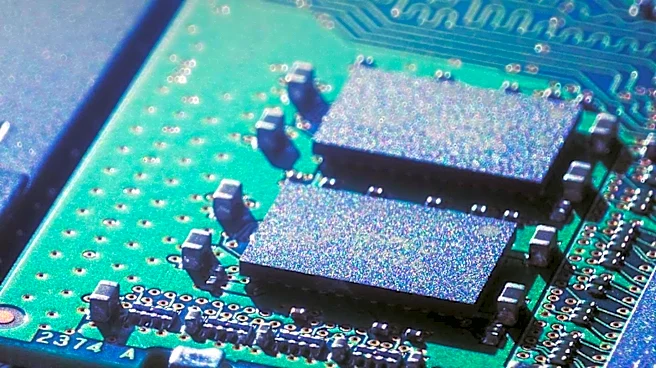
The global demand for memory chips, driven by the needs of artificial intelligence (AI) infrastructure, is causing significant disruptions in the consumer electronics market. Manufacturers such as Samsung, SK Hynix, and Micron are prioritizing the production
of high-bandwidth memory chips used in AI accelerators due to their higher profitability. This shift has resulted in reduced production capacity for standard memory chips used in consumer electronics like smartphones and laptops, leading to increased costs. In India, a major market for smartphones, this has led to a 10% year-over-year decline in smartphone shipments during the April-June quarter, marking the steepest decline in six years. The price-sensitive market is experiencing a shift in consumer behavior, with many delaying smartphone upgrades and extending replacement cycles.
Why It's Important?
The rising costs of memory chips are reshaping the smartphone market, particularly affecting price-sensitive regions like India. As manufacturers focus on more profitable AI-related components, the reduced availability of standard memory chips is driving up prices for consumer electronics. This trend is significant as it highlights the broader impact of AI technology on various industries, including consumer electronics. The shift in consumer behavior, with longer replacement cycles and increased reliance on financing, indicates a potential slowdown in smartphone sales growth. This could affect global smartphone brands and chip suppliers, influencing their market strategies and profitability.
What's Next?
As the demand for AI-driven memory chips continues, the smartphone market may see further strategic shifts. Brands like OnePlus are already adjusting their market presence, focusing on regions where profitability is more feasible. The trend of rising smartphone prices is expected to persist, potentially leading to more consumers opting for higher-priced devices or turning to the secondhand market. The ongoing memory shortages and elevated prices are likely to continue until at least the end of 2027, with gradual adjustments in consumer expectations and market dynamics.
Beyond the Headlines
The current situation underscores the interconnectedness of global supply chains and the ripple effects of technological advancements on consumer markets. The prioritization of AI infrastructure over consumer electronics highlights the growing importance of AI in shaping industry priorities. Additionally, the economic pressures on consumers, particularly in developing markets, may lead to broader discussions on affordability and access to technology. The evolving landscape may also prompt regulatory scrutiny and policy considerations regarding market competition and consumer protection.