





What's Happening?
Nvidia Vice President Ian Buck is slated to lead a session titled "Nvidia's Full-Stack Platform: Accelerating American Innovation, Industry, and Economic Growth" at the upcoming GTC DC developer conference. This session will occupy the time slot originally
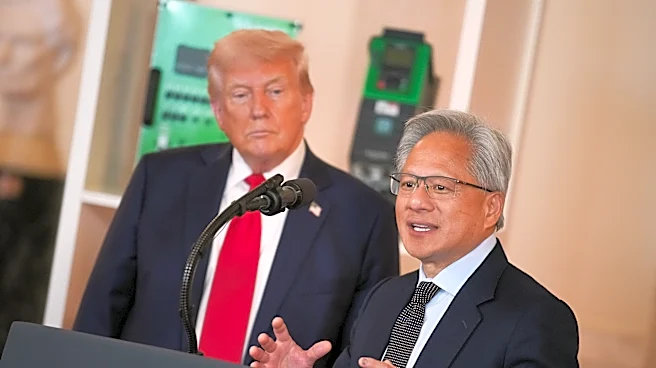
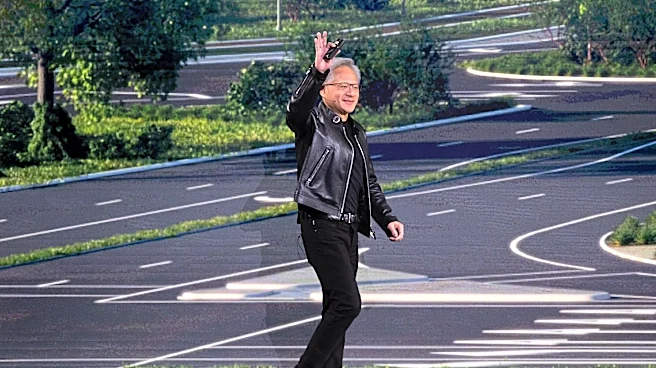
designated for a keynote address by Nvidia CEO Jensen Huang. The change comes as Huang is expected to be occupied with congressional engagements, including testifying at a closed-door joint session of the U.S. House Intelligence Committee, Foreign Affairs Committee, and Select Committee on China on December 1, the first day of GTC DC. Additionally, Huang is scheduled to appear at a Senate Banking Committee hearing on December 3, the final day of the event. While Nvidia has not officially confirmed Huang's absence, the removal of his keynote page from the GTC DC website and his congressional schedule strongly suggest he will not be delivering the keynote. Other Nvidia Vice Presidents, including Justin Boitano, Kari Briski, and Rev Lebaredian, are also scheduled to present spotlight sessions.
Why It's Important?
This development highlights the increasing scrutiny faced by major technology companies, particularly in the semiconductor sector, from U.S. congressional committees. Jensen Huang's congressional schedule, which includes testimony on indirect exports of advanced semiconductors to China and allegations involving Megaspeed, underscores the geopolitical and economic implications of technology trade and national security. The shift in keynote speaker from CEO Jensen Huang to Vice President Ian Buck at a prominent industry event like GTC DC could be perceived as a direct consequence of these high-level governmental engagements. For Nvidia, the need for its CEO to prioritize congressional hearings over a major public address at its own conference signals the critical nature of these discussions and their potential impact on the company's operations and market standing. The focus on "Accelerating American Innovation, Industry, and Economic Growth" in Buck's session title also reflects a strategic alignment with national economic priorities amidst these regulatory pressures.
What's Next?
The GTC DC conference will proceed with Vice President Ian Buck leading the session in place of CEO Jensen Huang. The congressional hearings involving Huang are expected to delve into sensitive topics concerning semiconductor exports to China and related allegations, which could have significant implications for Nvidia's future business practices and regulatory environment. The outcomes of these congressional sessions may influence U.S. policy regarding technology exports and trade with China, potentially affecting the broader semiconductor industry. Investor Michael Burry, known for "The Big Short," has indicated he maintains a bearish outlook on Nvidia stock, suggesting that the ongoing management and regulatory noise does not alter his investment thesis. The market will likely monitor the details emerging from Huang's congressional appearances for any signals regarding potential policy changes or regulatory actions that could impact Nvidia and the tech sector.
Beyond the Headlines
The situation surrounding Jensen Huang's congressional schedule and the subsequent change in GTC DC keynote speaker points to a broader trend of increased governmental oversight and intervention in the technology sector. The focus on semiconductor exports to China and allegations of indirect trade highlights the complex interplay between national security, economic competitiveness, and global supply chains. This scrutiny extends beyond Nvidia, affecting the entire U.S. technology industry as policymakers seek to balance innovation with national interests and geopolitical concerns. The event underscores the growing importance of corporate leaders engaging directly with government bodies on critical policy issues, even at the expense of high-profile public appearances. It also reflects the evolving landscape where technology companies are increasingly viewed as strategic national assets, subject to intense political and regulatory examination, which can influence their operational strategies and public messaging.