







What's Happening?
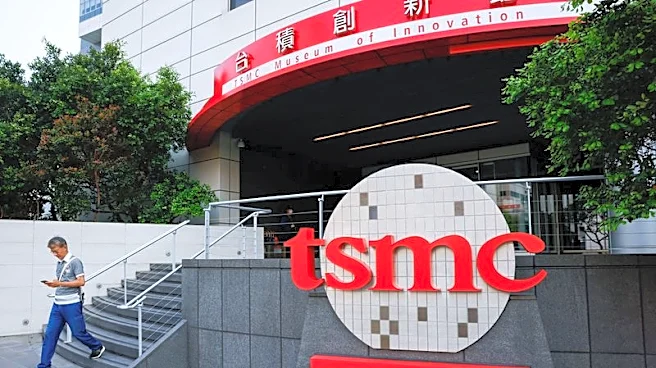
TSMC, a leading semiconductor manufacturer, is actively evaluating Texas as a potential site for further expansion of its U.S. manufacturing operations, according to TSMC Chairman and CEO C.C. Wei. This consideration extends beyond its existing plans
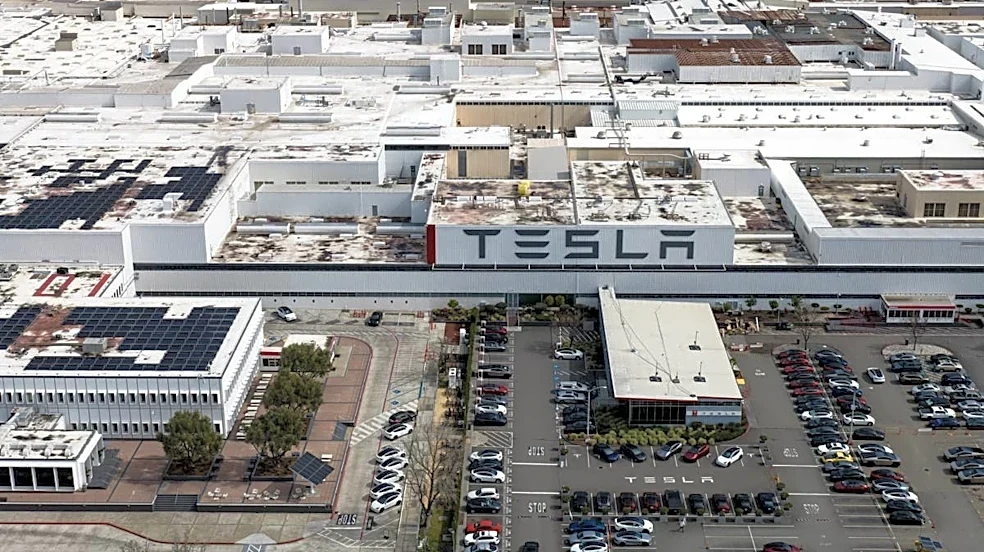
in Arizona. A professional team from TSMC has been dispatched to Texas to conduct a comprehensive on-site assessment, though a final investment decision has not yet been made. The company's interest in Texas is driven by requests from major U.S. customers for increased domestic chip manufacturing capacity and supportive government incentives. TSMC is also in discussions regarding potential collaboration on the Terafab project, a planned semiconductor manufacturing facility backed by Tesla and SpaceX. However, Wei emphasized that any fab involved in these discussions must be operated by TSMC, a stance that contrasts with earlier public statements from Tesla CEO Elon Musk. The U.S. is projected to significantly increase its share of global advanced semiconductor manufacturing capacity, potentially reaching 40% by the late 2030s, with additional TSMC investment further bolstering this growth.
Why It's Important?
This potential expansion by TSMC into Texas is a significant development for the U.S. semiconductor industry and national security. It underscores the ongoing effort to strengthen the domestic supply chain for advanced chips, reducing reliance on overseas manufacturing, particularly in light of geopolitical considerations. The move would further solidify the U.S.'s position in global semiconductor production, attracting more related investments and fostering a robust ecosystem. Increased domestic manufacturing capacity is crucial for meeting the surging demand for AI chips, which currently far exceeds supply. For Texas, securing a TSMC fab would enhance its status as a burgeoning semiconductor hub, complementing existing facilities from companies like Samsung Electronics and Texas Instruments. This investment aligns with the objectives of the CHIPS and Science Act, which aims to incentivize semiconductor manufacturing within the U.S., thereby creating jobs, stimulating economic growth, and ensuring a more resilient supply of critical components for various industries.
What's Next?
TSMC's immediate next step involves completing its comprehensive on-site assessment in Texas. Following this evaluation, the company will make a final investment decision regarding the expansion. Discussions with parties involved in the Terafab project are ongoing, with TSMC maintaining its condition that any participating fab must be operated by them. The outcome of these negotiations will determine the nature and scope of any potential collaboration. Concurrently, the U.S. semiconductor industry will need to address challenges related to workforce availability and supply chain readiness to support the anticipated growth. SEMI is advocating for broader eligibility for investment tax credits to include supply chain investments, which could further encourage companies to establish operations near major manufacturing sites. The construction of new 12-inch wafer fabs is expected to accelerate in the U.S., with three new fabs or production lines projected to begin construction in 2026, rising to four in 2027, indicating a sustained push towards increasing domestic production capacity.
Beyond the Headlines
The potential TSMC expansion in Texas highlights a broader strategic shift in global semiconductor manufacturing, driven by both economic and geopolitical factors. The emphasis on localized collaboration within a globally distributed supply chain reflects a move towards greater resilience and reduced vulnerability to disruptions. This trend could lead to a more diversified and secure global chip ecosystem, but it also presents challenges in terms of talent acquisition and infrastructure development. The insistence by TSMC on operating any new fab, even in collaborative projects like Terafab, underscores the company's commitment to maintaining its proprietary manufacturing processes and quality control, which are critical to its market leadership. Furthermore, the significant government incentives under the CHIPS and Science Act are not just about attracting investment but also about fostering a long-term competitive advantage for the U.S. in advanced technology, potentially influencing future innovation and economic leadership.