





What's Happening?
Construction 'earn and learn' programs, exemplified by an expansion in Los Angeles County, are gaining attention as a vital strategy to address the skilled trades shortage, particularly in regions like the Carolinas. These programs provide high school
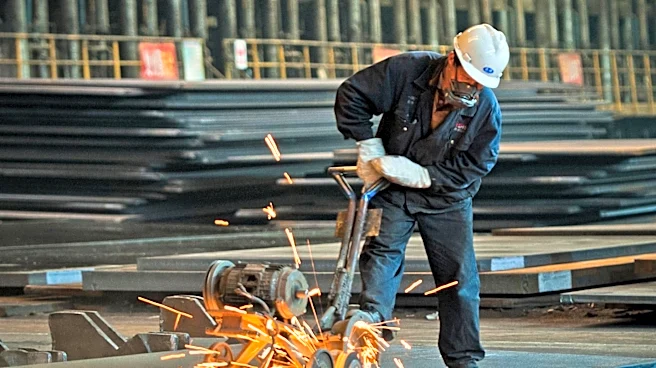
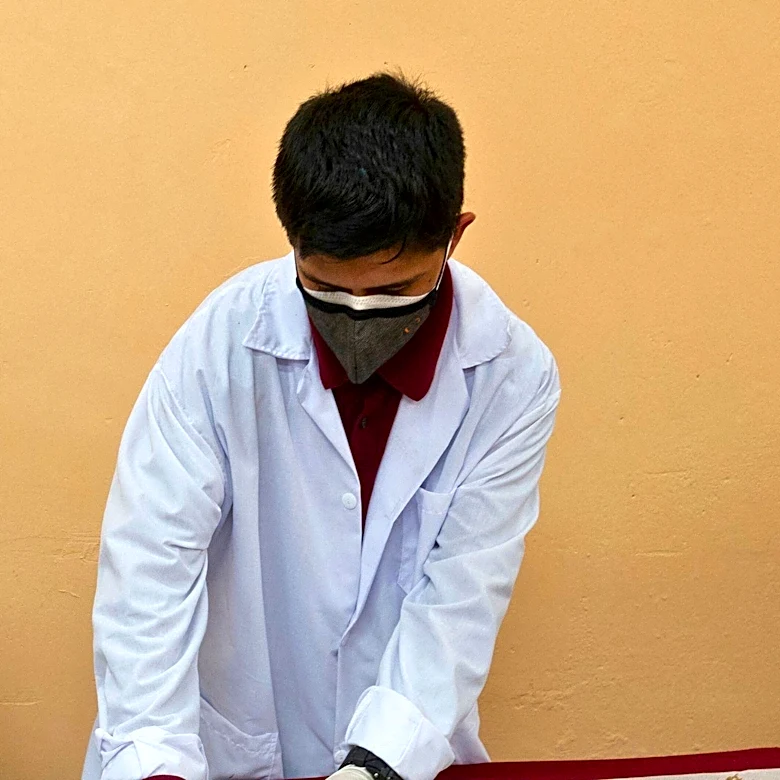
students with paid, hands-on exposure to various skilled trades, including carpentry, welding, plumbing, electrical work, and solar installation. This early introduction helps students develop awareness, interest, and basic job readiness before graduation. For contractors, these initiatives offer a direct pipeline to future apprentices and entry-level hires, improving the quality of the applicant pool and making apprenticeship recruitment more efficient. The model emphasizes structured, supervised training that can lead to longer-term apprenticeship and employment pathways.
Why It's Important?
The implementation and expansion of 'earn and learn' programs are crucial for the U.S. construction industry, which has faced a persistent skilled labor shortage for years. By engaging high school students, these programs help to rebuild the talent pipeline from an early stage, counteracting the historical trend of fewer individuals entering the trades. For contractors in fast-growing markets like the Carolinas, these programs are not just philanthropic but a strategic workforce development tool. They ensure a more informed and prepared entry-level workforce, reducing onboarding friction and strengthening the long-term pipeline. This approach can mitigate project delays, control labor costs, and maintain the pace of development necessary for economic growth in these regions.
What's Next?
Contractors in the Carolinas are encouraged to engage with local schools, Career and Technical Education (CTE) programs, and apprenticeship partners to implement or strengthen 'earn and learn' initiatives. Key steps include shaping the skills introduced in programs, ensuring training is paid and practical, and connecting early exposure to clear next steps like apprenticeships or direct employment. Organizations like ABC Carolinas are providing resources to help members align short-term student programs with longer-term training paths. Piloting small, paid summer cohorts or supervised work-based learning opportunities, assigning experienced mentors, and setting clear success measures are recommended. This proactive engagement aims to build a sustainable workforce pipeline that starts well before students graduate high school.
Beyond the Headlines
The 'earn and learn' model represents a significant shift in how the U.S. addresses its skilled labor deficit, moving beyond traditional recruitment to proactive talent cultivation. This approach not only provides practical skills but also instills a sense of value and purpose in vocational careers, challenging the long-standing societal bias towards four-year degrees. By offering paid training, these programs make skilled trades accessible to a broader demographic, including those who might not pursue higher education due to financial constraints. Furthermore, the emphasis on early employer engagement ensures that the training is relevant to industry needs, creating a more direct and efficient path from education to employment. This model could serve as a blueprint for other industries facing similar workforce challenges, fostering a more robust and adaptable national labor force.