







What's Happening?
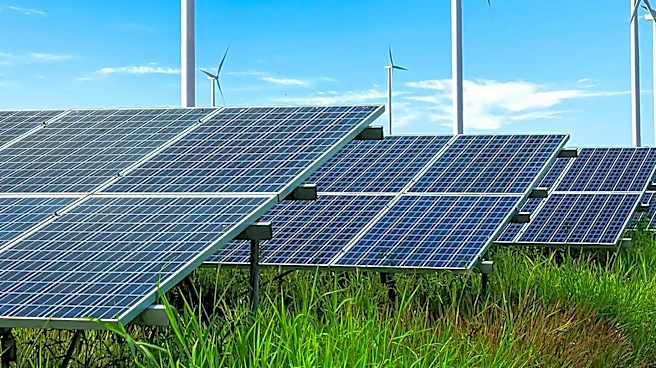
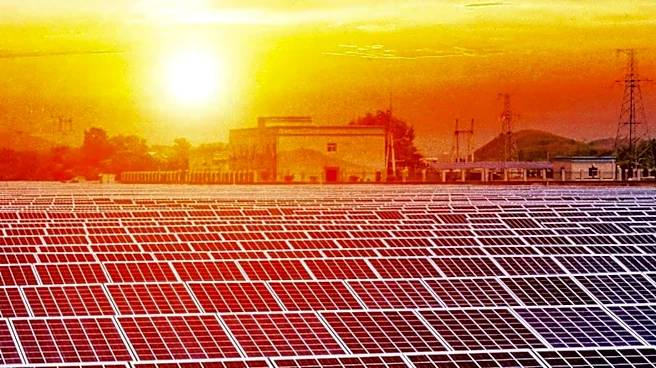
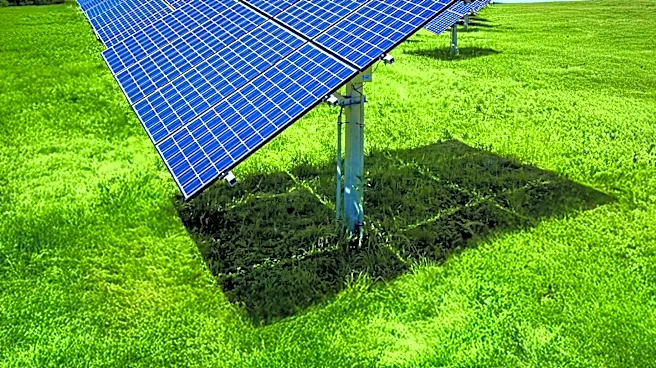
The U.S. solar energy sector is facing significant delays due to new permitting requirements imposed by the Department of the Interior. A memo issued a year ago mandates that solar projects on federal land or requiring federal rights-of-way undergo multi-step,
Secretary-level approval. This bureaucratic hurdle is slowing down the development of solar projects at a time when electricity demand is surging. The Solar Energy Industries Association (SEIA) has highlighted that over 450 solar projects, accounting for more than 36% of all new planned power capacity in the U.S., are at risk due to these delays. The slowdown in project approvals is occurring as the nation experiences record levels of electricity demand, threatening grid reliability and affordability.
Why It's Important?
The delays in solar project approvals have far-reaching implications for the U.S. economy and energy sector. If new solar and wind projects cannot be brought online quickly enough, consumers and businesses could face increased electricity costs. A study by the Corporate Energy Buyers Association and NERA estimates that these constraints could add $81.2 billion to household energy bills over the next seven years, with commercial and industrial customers paying an additional $40 billion. The permitting delays also jeopardize over $121 billion in planned investments in local communities, potentially resulting in fewer jobs and reduced local tax revenue. Furthermore, the delays threaten grid reliability, especially as new data centers and manufacturing facilities increase electricity demand.
What's Next?
To address these challenges, there is a call for Congress to pass bipartisan permitting reform. Such reform would streamline the approval process for new energy infrastructure, helping to lower electricity costs, enhance grid reliability, and unlock American investment. By creating a faster and fairer permitting process, the U.S. can better meet its growing electricity needs and improve energy security. The SEIA urges stakeholders to advocate for this reform to ensure that solar and storage projects can proceed without unnecessary delays.