



What's Happening?
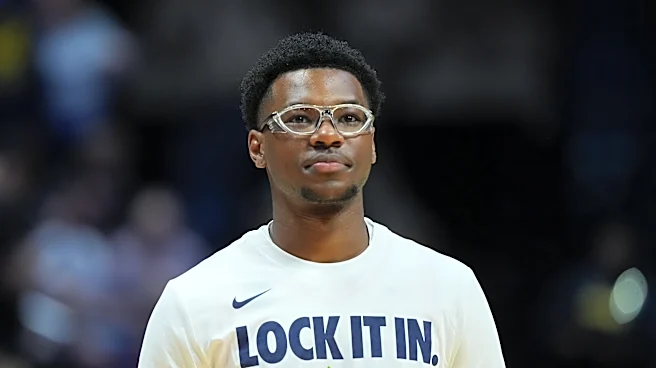
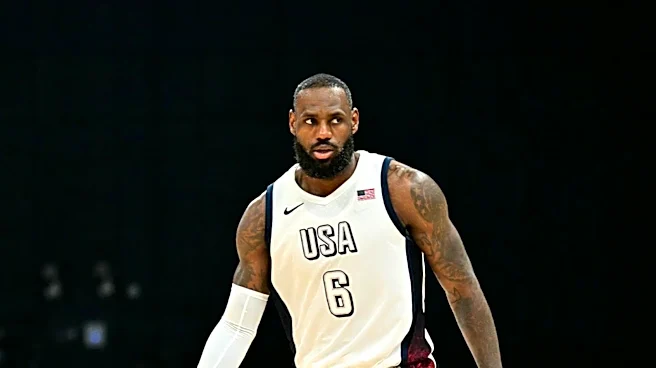
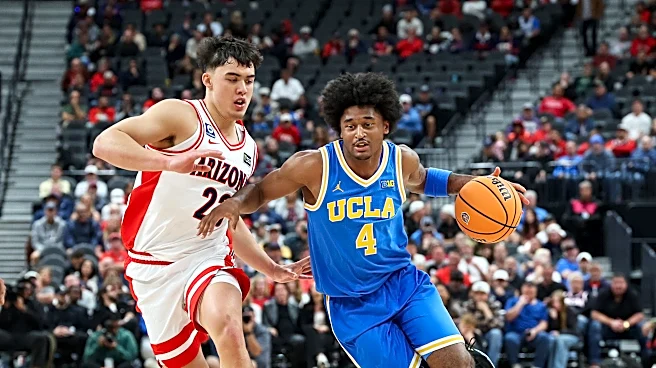
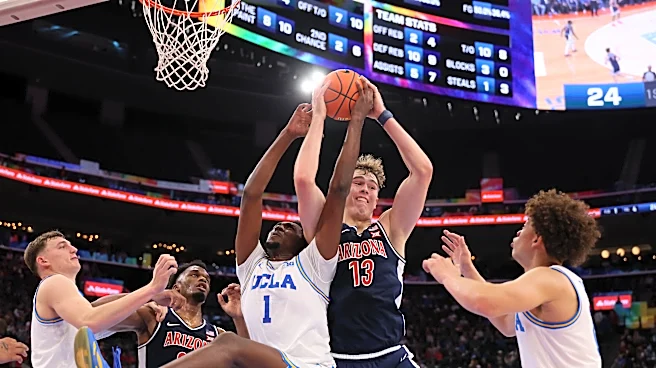
Sports analyst Jason Whitlock has publicly accused LeBron James of using his influence to secure a spot and playing time for his youngest son, Bryce James, on the University of Arizona's basketball team. Following Bryce James' debut start for Arizona in an 84-75
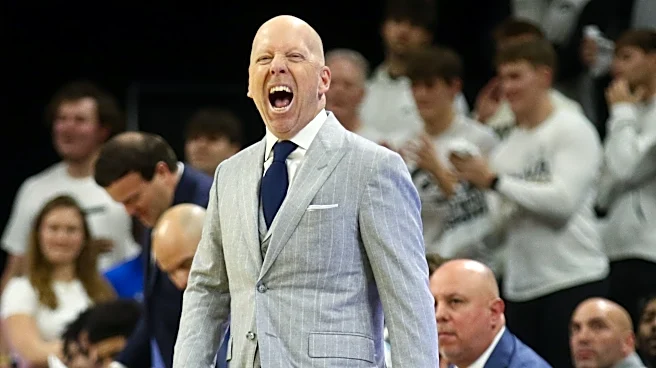
loss to UCLA, where he played only six minutes, recorded no points or rebounds, and had one assist, Whitlock criticized the situation. In an Instagram video, Whitlock labeled Bryce James a 'make-a-swish kid' and asserted that he 'has no business on the Arizona basketball team,' claiming LeBron James is 'forcing them to give him token starts.' This criticism echoes previous remarks by Whitlock regarding LeBron James' elder son, Bronny James, and his NBA draft selection by the Los Angeles Lakers, which Whitlock also attributed to LeBron's influence rather than merit. Bryce James redshirted his freshman year to develop his skills and adjust to college basketball, and his recent start was his first appearance for the Wildcats.
Why It's Important?
This situation highlights ongoing debates about the role of parental influence in collegiate and professional sports, particularly when the parent is a high-profile athlete like LeBron James. Whitlock's accusations, while controversial, tap into public concerns about fairness, meritocracy, and potential favoritism in athletic programs. If true, such influence could undermine the integrity of college sports, creating an uneven playing field for other athletes who may not have similar connections. For the University of Arizona, these claims could raise questions about their recruitment and playing time decisions, potentially affecting their reputation and future recruiting efforts. For Bryce James, the scrutiny adds immense pressure, as his performance will be constantly weighed against his father's legacy and the accusations of undue influence, potentially overshadowing his individual development and achievements.
What's Next?
Bryce James' college basketball career is just beginning, and his future performances will be crucial in addressing the criticisms leveled by Jason Whitlock. As the season progresses, his playing time, statistics, and overall impact on the Arizona team will be closely watched by analysts, fans, and the media. Strong performances could help him establish his own reputation and counter the narrative of parental influence. Conversely, continued limited playing time or underwhelming statistics might fuel further speculation. The University of Arizona and its coaching staff may also face ongoing questions regarding their roster decisions and player development strategies, especially if the perception of favoritism persists. LeBron James has reportedly offered advice to Bryce for his first season, suggesting continued parental involvement, which will likely remain a point of discussion.
Beyond the Headlines
The controversy surrounding Bryce James' role extends beyond individual performance, touching upon broader ethical considerations in sports. It raises questions about the balance between a parent's support for their child's athletic aspirations and the potential for that support to cross into undue influence, particularly when significant power dynamics are involved. This scenario also reflects the intense public and media scrutiny faced by the children of famous athletes, who often struggle to forge their own identities and careers outside their parents' shadows. The 'make-a-swish kid' analogy used by Whitlock, implying a ceremonial role rather than one earned by merit, underscores a cynical view of how privilege can operate in competitive environments. This narrative could contribute to a broader cultural discussion about access, opportunity, and the perceived fairness of athletic pathways in the U.S.