
What's Happening?
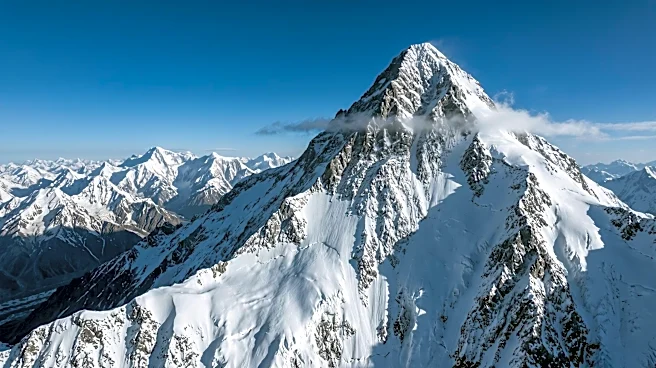
The body of U.S. climber Sarah Mallory Geis was found on Broad Peak on August 21 by local volunteers. Geis was among ten climbers who perished in a deadly avalanche that struck the mountain on July 30.
Her recovery marks the location of the last missing victim from that incident. Ayaz Shigri, General Secretary of the Alpine Club of Pakistan, confirmed her identification. Volunteers are in the process of moving her body to Base Camp, from where it will be transported by helicopter to Skardu. Geis, 39, from San Antonio, Texas, was attempting her first 8,000-meter peak. She had previously summited Lobuche East (6,119m) and Mera Peak (6,476m) in Nepal and had undertaken ice-climbing training in the United States earlier this year. She had closed her pilates studio to dedicate herself to mountaineering.
Why It's Important?
The recovery of Sarah Mallory Geis's body brings a degree of closure to a tragic event that claimed the lives of ten climbers. This incident underscores the inherent dangers and unpredictable nature of high-altitude mountaineering, even for experienced individuals. Geis's story, leaving her business to pursue her passion, highlights the profound dedication and personal sacrifices many climbers make. The involvement of local volunteers in the recovery efforts also emphasizes the community support and risks taken by those who assist in such challenging environments. This event serves as a somber reminder of the critical importance of safety protocols, risk assessment, and the limitations of human endurance in extreme conditions. It also draws attention to the broader impact of such tragedies on the climbing community and the families of those involved.
What's Next?
Following the recovery, Geis's body will be transported to Skardu, and arrangements will be made for her repatriation. The climbing community and relevant authorities will likely continue to review the circumstances surrounding the July 30 avalanche to glean any lessons that could enhance safety measures for future expeditions on Broad Peak and similar high-altitude mountains. Discussions may also arise regarding the support systems for climbers and their families in the aftermath of such incidents. For the remaining body of Nepali Nawang Thindu Sherpa, which has been located but left on the mountain due to extreme danger, decisions will need to be made regarding potential future recovery efforts, balancing safety concerns with the desire for full recovery of all victims.
Beyond the Headlines
This tragedy extends beyond the immediate loss of life, touching upon the broader philosophical and psychological aspects of extreme sports. Sarah Mallory Geis's decision to close her business and fully commit to mountaineering reflects a deep-seated human drive to pursue passions, even in the face of immense risk. Her story, and those of the other climbers, contribute to the ongoing narrative of human ambition, resilience, and vulnerability in the natural world. The incident also implicitly raises questions about the commercialization of mountaineering and the pressures, both internal and external, that might lead individuals to undertake such perilous journeys. The collective grief and the efforts to recover the victims highlight the strong bonds within the global climbing community and the shared understanding of the risks and rewards inherent in their pursuit.