


What's Happening?
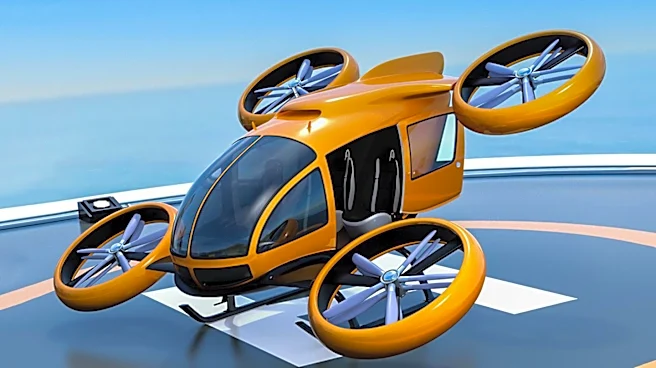
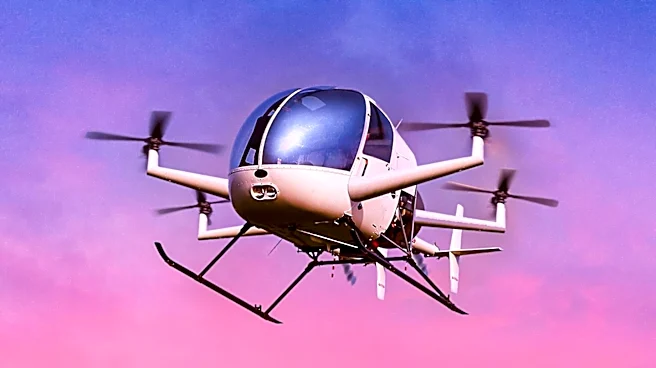
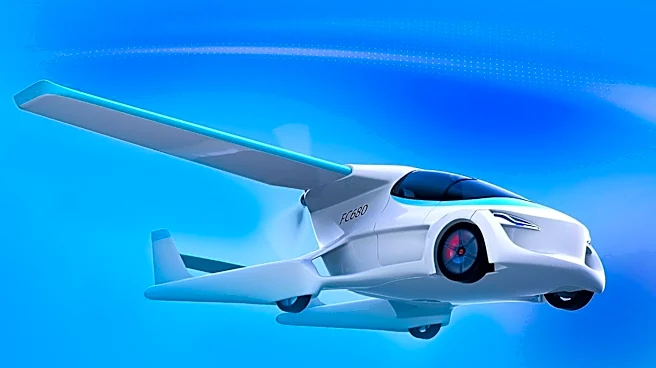
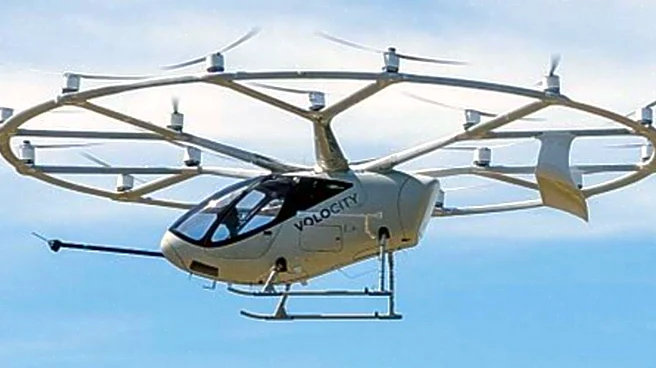
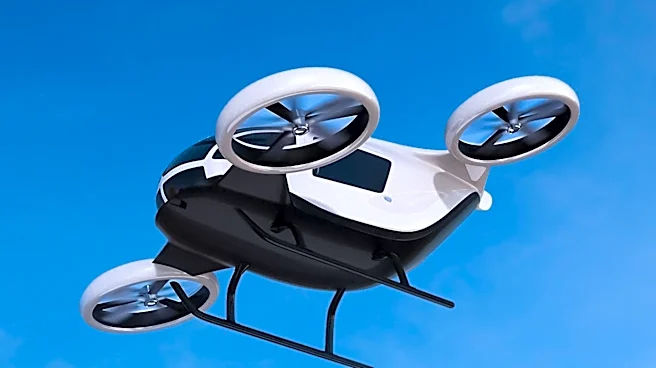
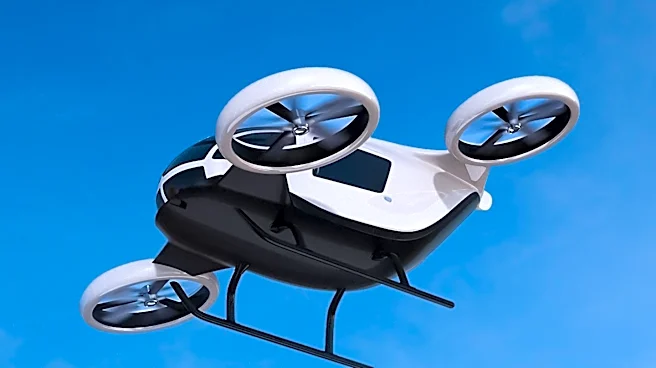
The global flying cars market is projected to grow significantly, reaching USD 3,855.1 billion by 2035. This growth is driven by advancements in electric vertical take-off and landing (eVTOL) aircraft, autonomous flight systems, and urban air mobility
infrastructure. Companies like Archer Aviation, Joby Aviation, and EHang Holdings are leading the market with strategic partnerships, production expansions, and certification milestones. The market is transitioning from prototype development to industrial-scale manufacturing, with regulatory certification becoming a key differentiator for investors.
Why It's Important?
The rapid growth of the flying cars market represents a transformative shift in urban transportation, offering solutions for congestion, emergency services, and regional mobility. As companies achieve regulatory certifications and expand manufacturing capabilities, flying cars could become a mainstream mode of transportation. This development has significant implications for the aerospace and automotive industries, as well as urban planning and infrastructure. The integration of AI, IoT, and advanced air traffic management systems is expected to enhance operational efficiency and safety, further driving market expansion.
What's Next?
Continued progress in aviation certification, battery innovation, and autonomous navigation is expected to unlock large-scale deployment of flying cars. Governments are likely to establish regulatory frameworks to support advanced air mobility, while private investments in eVTOL technologies and infrastructure will accelerate. The market is poised to become one of the fastest-growing segments within the global transportation and aerospace industry, with potential applications in passenger transport, air taxi services, logistics, and defense.