







What's Happening?
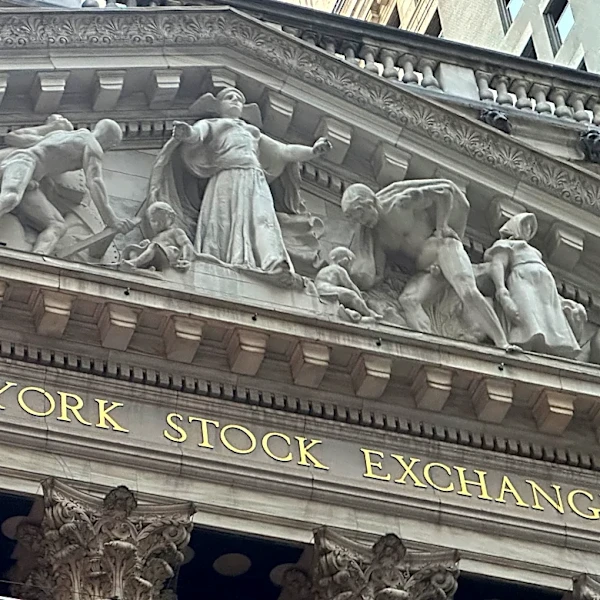
OKXICE, a joint venture between OKX and ICE, is reportedly seeking approval from the U.S. Securities and Exchange Commission (SEC) to launch a platform offering tokenized shares of 63 companies listed on the New York Stock Exchange (NYSE). This initiative,
as reported by Techmeme citing Bloomberg's Scott Patterson, aims to leverage new U.S. regulations concerning tokenized stocks. The move signifies a potential expansion of digital asset offerings into traditional financial markets, allowing investors to trade tokenized versions of established company stocks. The venture's focus on NYSE-listed firms indicates an intent to bridge the gap between conventional equities and the burgeoning blockchain-based financial ecosystem, potentially offering new avenues for investment and trading.
Why It's Important?
This development is significant for the U.S. financial landscape as it represents a major step towards integrating blockchain technology with traditional stock markets. If approved, the platform could introduce a new class of assets, tokenized stocks, which might offer benefits such as increased liquidity, fractional ownership, and 24/7 trading capabilities, characteristic of digital assets. This could attract a new demographic of investors familiar with cryptocurrency markets to traditional equities, while also potentially streamlining trading processes. For existing financial institutions, it could signal a shift in market structure, prompting them to explore similar tokenization strategies. However, it also raises questions about regulatory oversight, market stability, and the potential for increased volatility in a hybrid market environment. The SEC's decision will set a precedent for future tokenized asset offerings in the U.S.
What's Next?
The immediate next step involves the SEC's review and decision on OKXICE's application. The outcome will determine the feasibility and timeline for the launch of the tokenized stock trading platform. If approved, OKXICE will proceed with the technical and operational rollout, which would include onboarding investors and integrating with existing financial infrastructure. The market will closely watch the regulatory framework that the SEC establishes for such offerings, as it will influence other companies considering similar ventures. Potential reactions from traditional brokerage firms and exchanges could include developing their own tokenization strategies or forming partnerships to compete in this evolving market. The success of this platform could also spur further innovation in tokenized assets beyond stocks, potentially extending to bonds, real estate, and other illiquid assets.
Beyond the Headlines
The move by OKXICE to offer tokenized shares has deeper implications for the future of financial markets, particularly concerning market access and efficiency. Tokenization could democratize investment by allowing smaller investors to own fractions of high-value stocks, potentially lowering entry barriers. It also challenges the traditional role of intermediaries in stock trading, as blockchain technology can facilitate peer-to-peer transactions, potentially reducing costs and increasing transparency. However, this also brings forth complex legal and ethical considerations, such as the legal standing of tokenized assets, investor protection in a decentralized environment, and the potential for market manipulation across different platforms. The integration of blockchain with traditional finance could lead to a more interconnected global financial system, but it also necessitates robust regulatory frameworks to manage new forms of risk and ensure market integrity.