







What's Happening?
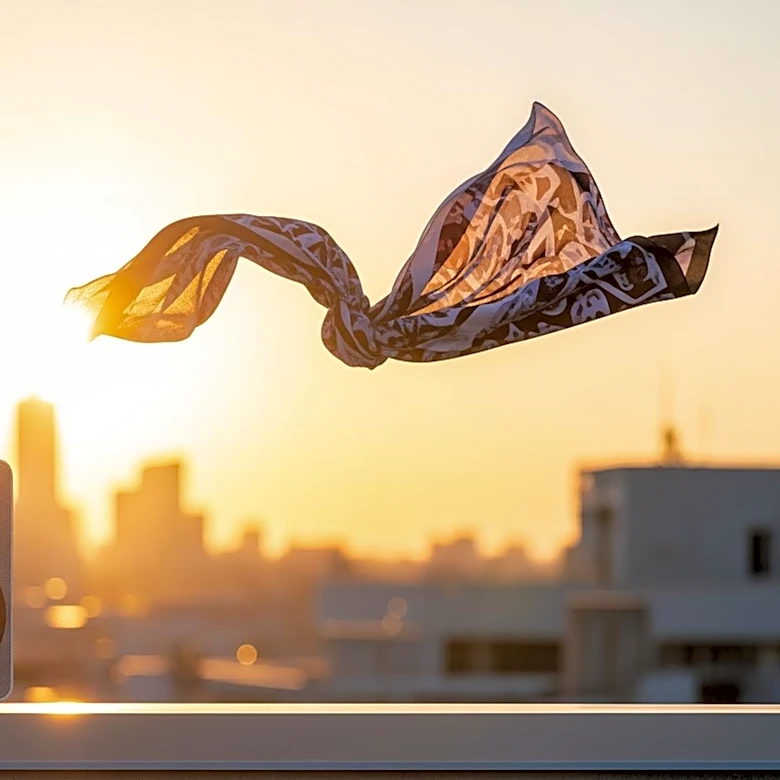
Art Basel 2026 is showcasing innovative art installations, including a notable project by German artist Martin Wöllenstein. His installation, 'Flowing Upstream,' features recycled costumes from the Ankos Masquerade in Ghana, transformed into new textile
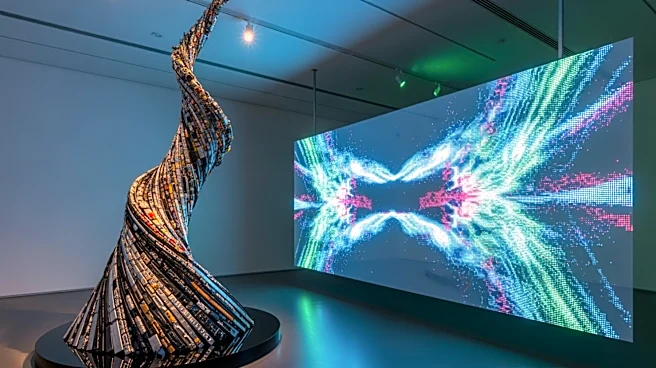
structures. This project highlights a reverse recycling process, transporting discarded carnival costumes from Ghana to Basel, challenging traditional waste flows between continents. Additionally, the fair includes a digital art section where artist William Mapan presents 'Paysages Plausibles: Dances on Shadows,' an interactive installation allowing visitors to create unique compositions through an algorithm. The event also features Erin Calla Watson's video 'Maternity,' exploring unconventional motherhood themes with models wearing prosthetic pregnancy bellies.
Why It's Important?
Art Basel 2026 underscores the growing intersection of art, technology, and sustainability. Wöllenstein's project not only addresses environmental concerns by repurposing waste but also fosters cultural exchange between Africa and Europe. Mapan's algorithmic art installation exemplifies the increasing role of technology in creative processes, inviting public interaction and highlighting the unpredictability of digital art. Watson's work challenges societal norms around motherhood, reflecting broader cultural shifts. These installations collectively demonstrate how contemporary art can provoke thought and dialogue on pressing global issues, influencing both the art world and public perceptions.
What's Next?
As Art Basel continues, it is expected to further influence the art market and public discourse on sustainability and technology in art. The fair's focus on innovative and interactive installations may inspire future exhibitions and artists to explore similar themes. The success of these projects could lead to increased collaboration between artists and technologists, as well as greater emphasis on sustainable practices in the art industry. Additionally, the discussions sparked by these works may contribute to ongoing debates about cultural identity, environmental responsibility, and the role of technology in society.