



What's Happening?
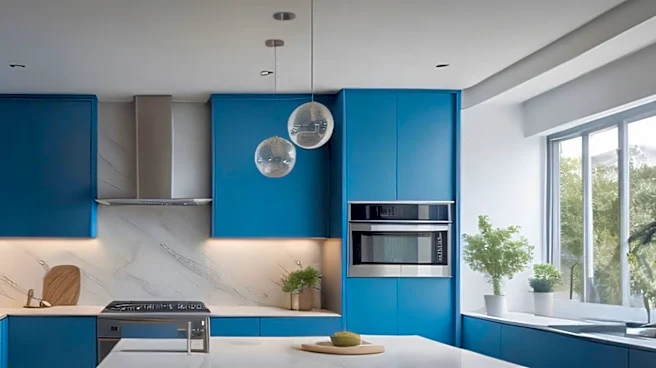
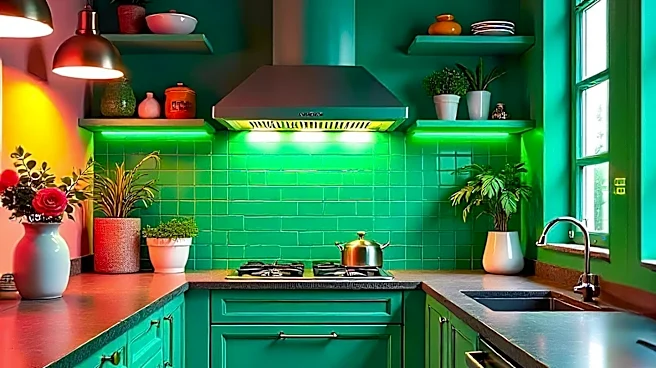
Kitchen design trends for 2027 are moving away from stark white aesthetics towards bolder color palettes and more personalized, functional spaces. According to design experts, homeowners are increasingly opting for darker, moodier colors, with Kristin
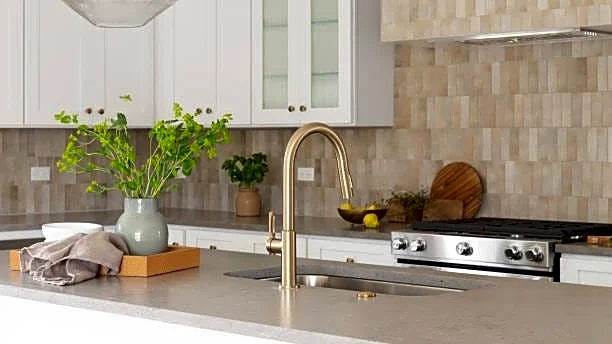
Harrison of Georgia & Hunt Design House noting a shift in what is considered neutral, favoring customized looks over traditional white or cream. Layered aesthetics are also gaining popularity, with clients mixing cabinet finishes, combining warm woods with stone and metal, and requesting integrated features like built-in cutting boards and workstation sinks, as observed by Leyden Lewis of Leyden Lewis Design Studio. There is also a strong emphasis on 'futureproofing,' where homeowners invest in authentic materials, enduring craftsmanship, and high-performing products that are designed to last and remain relevant as lifestyles evolve, a point highlighted by interior designer Mick De Giulio. Furthermore, integrated technology is becoming a staple, with ovens featuring interior cameras, guided recipes, and combination steam and speed ovens that bring professional kitchen capabilities into the home.
Why It's Important?
These evolving kitchen design trends reflect broader shifts in consumer preferences and lifestyle priorities within the U.S. residential market. The move towards bolder colors and layered looks signifies a desire for more personalized and expressive home environments, potentially boosting demand for custom cabinetry, unique material combinations, and specialized design services. The 'futureproofing' mentality suggests a growing consumer focus on sustainability and long-term value, which could influence manufacturing practices towards more durable and timeless products, impacting suppliers of natural stone, high-quality wood, and premium appliances. The integration of advanced technology in kitchens indicates a rising expectation for smart home features that enhance convenience and culinary capabilities, creating opportunities for appliance manufacturers and smart home technology providers. This trend also underscores the kitchen's role as a central hub for cooking and entertaining, driving demand for designs that support both creativity and functionality.
What's Next?
As these trends gain momentum, the residential construction and interior design industries are likely to adapt their offerings to meet evolving consumer demands. Manufacturers of kitchen components, from cabinetry to countertops and appliances, will likely introduce more diverse color options, material combinations, and technologically advanced features. Design professionals may see an increased demand for bespoke kitchen designs that incorporate these elements, requiring them to stay abreast of the latest innovations and material science. Retailers specializing in home goods and kitchen supplies will need to adjust their inventory to reflect the shift towards darker palettes, layered aesthetics, and integrated smart technologies. Additionally, as homeowners prioritize durability and timelessness, there may be a greater emphasis on quality and craftsmanship in marketing and sales strategies across the industry. The continued integration of technology will also push for more seamless and intuitive user experiences in kitchen appliances.
Beyond the Headlines
The shift in kitchen design goes beyond mere aesthetics, reflecting deeper cultural and societal changes. The embrace of bolder, more personalized kitchens can be seen as a rejection of mass-produced uniformity, signaling a desire for individuality and authenticity in personal spaces. The 'futureproofing' trend highlights a growing awareness of environmental impact and a preference for investments that offer longevity, potentially influencing broader consumer behavior towards more sustainable consumption. The integration of advanced technology in the kitchen also speaks to the increasing role of smart devices in daily life, transforming the act of cooking into a more automated and guided experience. This could lead to new forms of culinary education and engagement, as home cooks leverage technology to explore more complex techniques. Ultimately, the kitchen is evolving from a purely functional space to a highly personalized, technologically integrated, and sustainably minded hub of the home, reflecting a holistic approach to modern living.