



What's Happening?
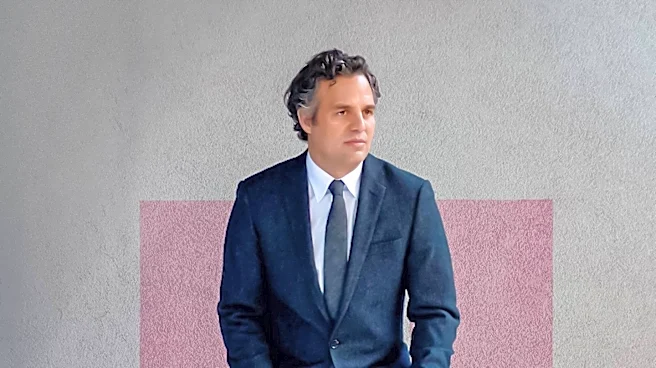
Dozens of Jewish artists, including prominent filmmakers and writers, have issued an open letter defending actor Mark Ruffalo against allegations of antisemitism made by Paramount Skydance. Paramount accused Ruffalo of injecting 'antisemitic tropes' into
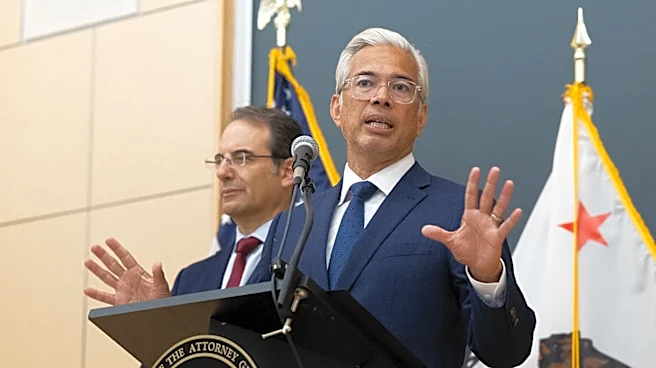
his opposition campaign against the proposed $111-billion merger between Paramount and Warner Bros. Discovery. Ruffalo, a leading figure in the campaign to block the merger, had criticized Oracle Corp., a software company owned by Larry Ellison (whose family is guaranteeing the merger's equity), for its technological assistance to Israeli military efforts in Gaza. The artists' letter denounces what they call an 'outrageous smear campaign' against Ruffalo, asserting that pointing out connections between events in Gaza and Hollywood is not antisemitic but rather an 'essence of Jewish ethical duty.' This defense comes as the merger faces significant opposition, including an antitrust lawsuit from California Atty. Gen. Rob Bonta and 11 other Democratic state attorneys general, which has stalled the transaction.
Why It's Important?
This development highlights the intense and often contentious intersection of corporate mergers, political activism, and sensitive geopolitical issues within the U.S. entertainment industry. The allegations of antisemitism against Mark Ruffalo, a high-profile actor, and the subsequent defense by a large group of Jewish artists, underscore the deep divisions and moral complexities surrounding the Israeli-Palestinian conflict, even within Hollywood. The controversy could influence public perception of the Paramount-Warner Bros. Discovery merger, potentially adding another layer of scrutiny beyond antitrust concerns. For Paramount, the accusations and the backlash from artists could complicate its efforts to gain support for the merger, especially if it alienates key figures within the creative community. The involvement of Oracle Corp. and its role in Israeli military efforts also brings corporate responsibility and ethical investment into the spotlight, potentially prompting broader discussions about the tech industry's involvement in international conflicts. This situation also reflects a growing trend where public figures are increasingly expected to take stances on global issues, and their views can become intertwined with their professional endeavors.
What's Next?
The antitrust lawsuit brought by California Atty. Gen. Rob Bonta and other state attorneys general against the Paramount-Warner Bros. Discovery merger is set for trial on March 2 in Oakland. Paramount had previously agitated for industry leaders and politicians to pressure Bonta into a settlement, but Bonta recently canceled settlement talks, though he expressed willingness to meet to discuss antitrust concerns. The ongoing legal battle will determine the fate of the merger, which could lead to significant job losses in Los Angeles and further consolidate media control. The public debate surrounding Mark Ruffalo's comments and the allegations of antisemitism is likely to continue, potentially influencing public opinion and stakeholder reactions as the merger process unfolds. Paramount's threat to relocate its headquarters from California if the deal is blocked adds another layer of complexity, indicating potential economic consequences for the state. The outcome of the trial and the resolution of the controversy surrounding Ruffalo will have significant implications for the future landscape of the entertainment industry and the broader discourse on corporate ethics and geopolitical issues.
Beyond the Headlines
The controversy surrounding Mark Ruffalo and the Paramount-Warner Bros. Discovery merger extends beyond typical business and legal disputes, touching upon profound ethical and cultural dimensions. The weaponization of antisemitism accusations in public discourse, as alleged by the defending artists, raises concerns about free speech and the chilling effect it can have on criticism of corporate actions or government policies, particularly concerning sensitive international conflicts. This incident highlights a broader societal struggle to differentiate between legitimate criticism of state actions or corporate involvement and genuine antisemitism. The open letter from Jewish artists emphasizes a 'Jewish ethical duty' to speak out against perceived injustices, suggesting a growing internal debate within the Jewish community regarding the Israeli-Palestinian conflict and the role of corporations. This situation could set a precedent for how Hollywood and other industries navigate the intersection of business interests, political activism, and human rights, potentially leading to increased scrutiny of corporate affiliations and a more vocal stance from artists on global issues. It also underscores the power of collective action by artists to challenge corporate narratives and defend colleagues against what they perceive as unjust attacks.