









What's Happening?
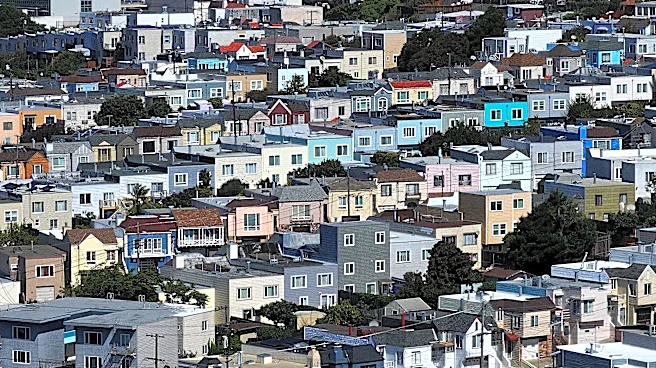
In April 2026, national home value growth nearly stalled, with the Midwest and Northeast showing moderate gains while many Sun Belt and Western metros experienced declines. The S&P Case-Shiller Index reported a 0.8% increase in single-family home values
compared to the previous year. However, inflation-adjusted housing wealth has declined for 11 consecutive months. Chicago led the metro markets with a 6.5% annual gain, while Seattle saw a 2.3% annual decline. The affordability pinch remains a significant challenge, with 30-year mortgage rates at 6.3% in April.
Why It's Important?
The stagnation in home value growth highlights ongoing challenges in the U.S. housing market, particularly regarding affordability and regional disparities. While some areas see growth, others face declines, reflecting a localized housing cycle. The persistent affordability issues, exacerbated by high mortgage rates, continue to constrain home price growth. This situation affects both buyers and sellers, with potential implications for economic stability and housing market dynamics. The regional differences underscore the need for targeted policy interventions to address these disparities.
What's Next?
As mortgage rates remain elevated, the housing market may continue to experience uneven growth across regions. Policymakers and industry stakeholders may need to consider strategies to address affordability challenges and support housing market stability. Potential measures could include incentives for new construction in supply-constrained areas and efforts to improve housing affordability. The ongoing monitoring of economic indicators and housing market trends will be crucial in shaping future policy decisions.