
What's Happening?
Owala, a company specializing in drinkware, bags, and accessories, has issued a statement reassuring consumers about the safety of its products. The company confirmed that all Owala bottles and tumblers,
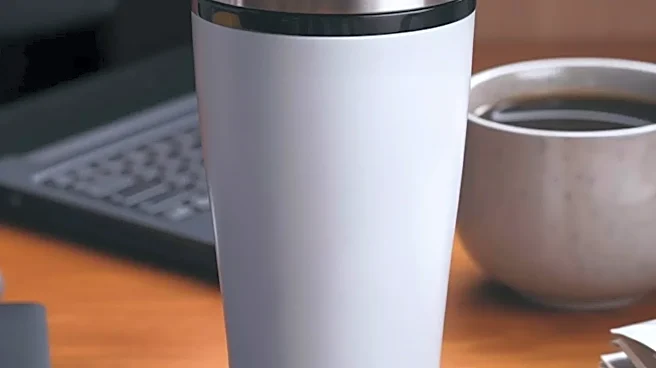
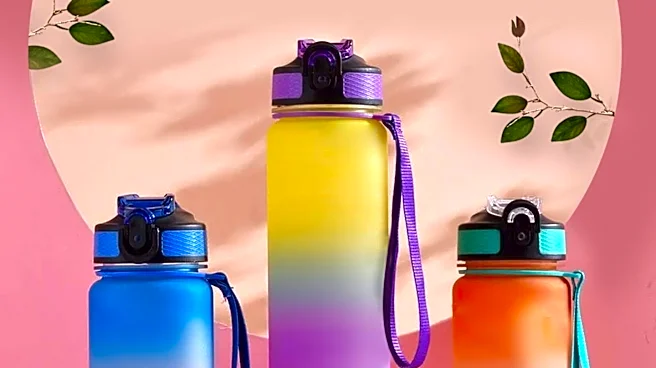
including its popular FreeSip® water bottle, are and have always been lead-free. This announcement comes in response to recent media discussions and consumer concerns regarding bottle safety within the industry. Owala emphasized its commitment to consumer well-being, stating that it has utilized innovative, lead-free solder in its manufacturing processes since its inception in 2020. The company, headquartered in Lehi, Utah, offers a diverse range of products including various types of water bottles, coffee mugs, travel mugs, and insulated bags, alongside customization options. This proactive communication aims to maintain consumer trust and differentiate its products in a competitive market where product safety is increasingly scrutinized.
Why It's Important?
This announcement from Owala is significant for several reasons, primarily in the context of consumer health and market trust. In an era where product safety is paramount, especially for items used daily like drinkware, any concerns about harmful materials can severely impact a brand's reputation and sales. By explicitly stating that its products are lead-free and have always been manufactured with lead-free solder, Owala aims to alleviate potential fears among its customer base and attract new consumers who prioritize safety. This move could set a higher standard for transparency within the drinkware industry, potentially pressuring competitors to also disclose their manufacturing practices. For consumers, it provides clarity and confidence in their purchasing decisions, particularly for products that come into direct contact with food and beverages. The company's proactive stance also highlights the growing importance of corporate responsibility in addressing public health concerns related to consumer goods.
What's Next?
Following Owala's reaffirmation of its lead-free products, the company will likely continue to leverage this commitment in its marketing and branding efforts to reinforce its image as a safe and trustworthy brand. This could involve increased public relations campaigns, detailed product information on its website, and potentially third-party certifications to further validate its claims. Other companies in the drinkware sector might face increased pressure to disclose their own material safety standards, potentially leading to a broader industry trend towards greater transparency regarding manufacturing processes and materials used. Consumers are expected to become more discerning, favoring brands that openly address safety concerns. Owala's continued growth, as indicated by its significant web presence, suggests that its focus on safety and innovation will remain a key differentiator in the competitive market for hydration products and accessories.
Beyond the Headlines
Beyond the immediate reassurance to consumers, Owala's statement touches upon broader implications concerning manufacturing ethics and consumer advocacy. The company's decision to use lead-free solder from its inception reflects a proactive approach to product safety that goes beyond minimum regulatory requirements, suggesting a corporate culture prioritizing long-term consumer health over potential cost savings. This stance could influence industry benchmarks, encouraging other manufacturers to adopt similar best practices. Furthermore, the public discourse around bottle safety underscores the increasing demand for transparency from consumers, who are becoming more educated and vocal about the origins and components of the products they purchase. This trend highlights a shift towards conscious consumerism, where ethical sourcing and manufacturing processes are as important as product functionality and design. Owala's move could therefore be seen as a strategic alignment with evolving consumer values, potentially fostering greater brand loyalty and market leadership in the long run.