
What's Happening?
The Japanese aesthetic philosophy of Wabi-Sabi is increasingly influencing U.S. home decor and lifestyle choices, moving beyond a mere design trend to a broader cultural shift. Wabi-Sabi, which finds beauty
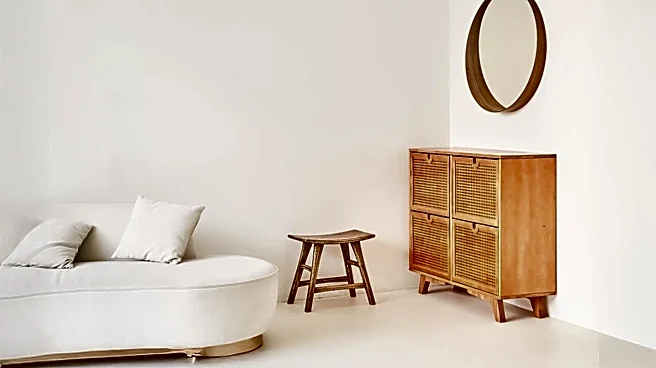
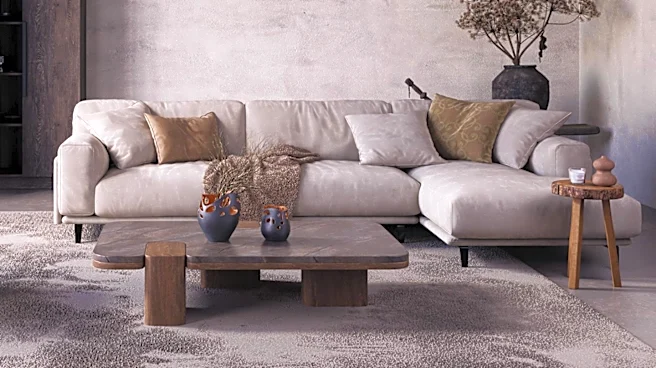
in imperfection, impermanence, and simplicity, emphasizes natural textures, neutral earthy tones, and the display of handmade or aged items. This philosophy encourages a lived-in, warm, and authentic atmosphere, contrasting with the pursuit of perfection often seen in modern interiors. Key principles include prioritizing simplicity over clutter, natural materials over synthetics, aged items over new, and handmade craftsmanship over mass production. The approach advocates for quiet, muted palettes rather than bold colors, fostering a sense of calm and mindfulness. This trend is gaining traction as consumers seek more sustainable choices and mental wellness in their living spaces, with a focus on reducing visual clutter and embracing the inherent beauty of natural materials and the stories they tell through wear and age.
Why It's Important?
The growing adoption of Wabi-Sabi in the U.S. reflects a significant cultural and consumer shift away from fast-paced, consumerist trends towards more mindful and sustainable living. This philosophy impacts various U.S. industries, including interior design, furniture manufacturing, and retail, by driving demand for natural, ethically sourced, and handcrafted goods. Businesses that adapt to this trend by offering products that embody imperfection, natural materials, and durability will likely gain a competitive edge. For consumers, Wabi-Sabi offers an antidote to the pressures of maintaining 'social-media-perfect' homes, promoting mental well-being by reducing stress associated with visual clutter and encouraging appreciation for authenticity. It also fosters a more sustainable approach to consumption, as it values existing items and encourages thoughtful purchases, potentially reducing waste and promoting longevity in household goods. The emphasis on natural textures and muted palettes can also contribute to creating more calming and restorative home environments, which is increasingly important in a high-stress society.
What's Next?
As Wabi-Sabi continues to gain momentum, expect to see a further integration of its principles into mainstream U.S. home decor and lifestyle markets. Interior designers and retailers will likely expand their offerings of raw wood furniture, linen textiles, unglazed ceramics, and vintage or handmade decorative objects. There will be an increased focus on DIY projects and upcycling, as consumers are encouraged to find beauty in existing items and create personalized, imperfect pieces. Educational content on sustainable living and mindful consumption, often linked to Wabi-Sabi principles, will also become more prevalent. Furthermore, the philosophy may influence architectural design, with a greater emphasis on natural light, organic shapes, and the use of local, sustainable building materials. The trend is expected to continue evolving, potentially blending with other minimalist and nature-inspired styles like Japandi (a fusion of Japanese and Scandinavian design) to create new aesthetic expressions that prioritize comfort, authenticity, and environmental consciousness.
Beyond the Headlines
The embrace of Wabi-Sabi in the U.S. signifies a deeper cultural yearning for authenticity and a rejection of superficial perfection. This philosophical shift has ethical implications, as it encourages consumers to value craftsmanship, durability, and the stories embedded in objects, rather than succumbing to planned obsolescence and mass-produced uniformity. It challenges the prevailing consumer culture that often equates newness and flawlessness with value. By celebrating imperfection, Wabi-Sabi can foster greater self-acceptance and reduce societal pressures related to maintaining an idealized image, extending beyond home decor to personal well-being. Legally, this trend might subtly influence product labeling and marketing, with a greater emphasis on natural origins, handmade qualities, and sustainable practices. Culturally, it represents a cross-cultural exchange where an ancient Japanese aesthetic provides a framework for modern American living, promoting a slower, more contemplative approach to daily life and consumption. This could lead to a long-term shift in how Americans perceive beauty, value, and their relationship with their material possessions.