

What's Happening?
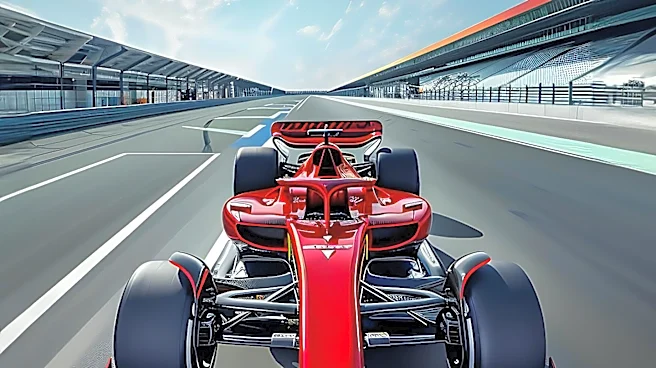
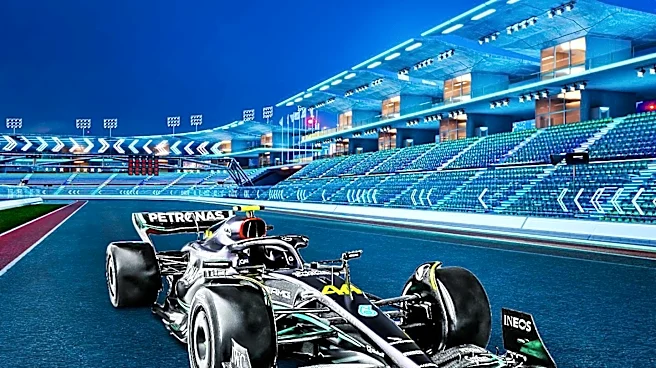
Formula 1's presence in Las Vegas has been solidified with a contract extension for the Las Vegas Grand Prix through 2037. The street circuit, which debuted in 2023, takes cars along the iconic Las Vegas Strip, showcasing landmarks such as the Sphere
and the Fountains of Bellagio. This long-term commitment indicates Formula 1's confidence in the city as a premier racing destination. The Grand Prix has a brief but notable history in Las Vegas, with two previous races held in the Caesars Palace car park in 1981 and 1982. The current iteration aims to establish a lasting legacy, leveraging the city's unique entertainment appeal to create a dazzling spectacle for global audiences. The extension ensures that Las Vegas will remain a fixture on the Formula 1 calendar for over a decade.
Why It's Important?
The extension of the Las Vegas Grand Prix contract until 2037 signifies a major economic and cultural commitment for both Formula 1 and the city of Las Vegas. For Las Vegas, it guarantees a significant annual influx of tourism, revenue, and global media attention, further cementing its status as a world-class entertainment and event hub. The race brings substantial economic benefits through hotel bookings, restaurant patronage, and other related services. For Formula 1, securing a long-term presence in a major U.S. market like Las Vegas is crucial for expanding its global brand and fan base, particularly in North America. This long-term agreement also allows for strategic planning and investment in infrastructure and event experience, promising continued innovation and spectacle for fans and participants alike. It underscores the growing appeal of Formula 1 in the United States and its ability to integrate with major entertainment capitals.
What's Next?
With the contract extended to 2037, organizers of the Las Vegas Grand Prix will likely focus on enhancing the race experience and infrastructure over the coming years. This could include further refinements to the street circuit, improvements in fan zones, and the development of ancillary events to complement the race weekend. Local businesses and hospitality sectors will continue to adapt and innovate to cater to the influx of international visitors and high-profile events associated with Formula 1. The long-term commitment also provides stability for sponsors and partners, encouraging deeper investments and more elaborate activations. Furthermore, the extended presence could lead to increased local engagement, potentially through educational programs or community initiatives related to motorsports and engineering, fostering a lasting legacy beyond the annual race itself.
Beyond the Headlines
The long-term commitment of Formula 1 to Las Vegas extends beyond mere sporting events; it represents a significant cultural fusion between elite international motorsport and American entertainment spectacle. This partnership could influence urban development along the Strip, with potential for new infrastructure projects or renovations designed to accommodate the race and its associated events. Ethically, the long-term presence raises questions about the environmental impact of such a large-scale event and the city's strategies for sustainability. Culturally, it further integrates Formula 1 into the American sports landscape, potentially attracting new demographics of fans and influencing popular culture. The Grand Prix's success and longevity in Las Vegas could also serve as a model for other global cities looking to host major international sporting events, highlighting the economic and branding benefits of such long-term partnerships.