





What's Happening?
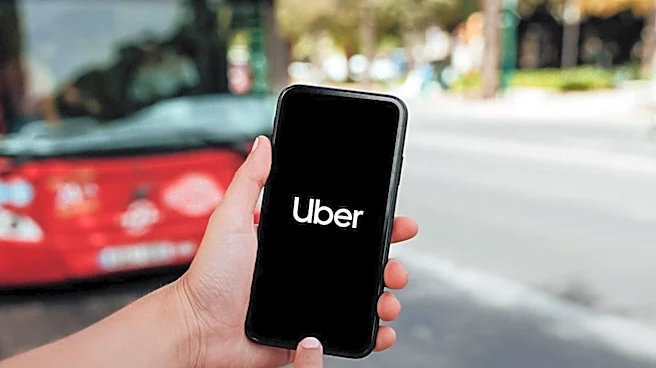
Uber has launched a new live video streaming feature for its teen accounts, allowing parents and guardians to monitor their children's rides in real-time. This feature utilizes the Uber driver's front-facing phone camera, providing a view of the backseat.
Parents linked to a teen's account receive a push notification if livestreaming is available when a trip begins, and they can then view the stream with one tap. Both the teen and the driver are notified when a parent tunes in. The video stream is encrypted and automatically ends when the trip is complete, though Uber retains the footage for review in case of a reported safety incident. This new safety measure is currently being piloted in nine U.S. markets, including Atlanta, Orlando, Phoenix, and San Antonio, with plans for a nationwide rollout in the coming weeks. Drivers have the option to enable this streaming feature, and parents will only know if it's available once a trip starts. This initiative builds upon existing safety features for teen accounts, such as live trip tracking, PIN verification, and the option to match with a female driver.
Why It's Important?
This new live video streaming feature represents a significant development in rideshare safety, particularly for minor passengers. For parents, it offers an unprecedented level of real-time oversight and peace of mind, addressing long-standing concerns about the safety of unaccompanied minors using rideshare services. This could lead to increased adoption of Uber's teen accounts, expanding the company's user base among families. However, it also introduces new considerations regarding driver privacy and potential discomfort, as drivers must opt-in to enable the feature and are notified when a parent is watching. The feature's success will depend on balancing parental demand for safety with driver comfort and privacy. The expansion of such features could set a new industry standard for rideshare services transporting minors, potentially influencing competitors to develop similar safety protocols. Furthermore, the encrypted storage of video footage for incident review could provide crucial evidence in safety investigations, enhancing accountability for all parties involved.
What's Next?
Uber plans to expand the live video streaming feature nationwide in the coming weeks, following its pilot in nine U.S. markets. The company will continue to gather feedback from users to refine the experience. This rollout will likely involve ongoing communication with both parents and drivers to ensure understanding and adoption of the new safety measure. There may be further discussions and adjustments regarding driver incentives or privacy considerations to encourage broader participation in the streaming program. Competitors in the rideshare market will likely observe the public and driver reception of this feature closely, potentially leading to the development of similar or alternative safety innovations for teen riders. Additionally, the legal and ethical implications of continuous video monitoring in a commercial setting may be further explored as the feature becomes more widespread.
Beyond the Headlines
The introduction of live video streaming for teen rides delves into complex ethical and privacy considerations. While designed to enhance safety, it raises questions about the extent of surveillance deemed acceptable in commercial transportation and the balance between parental oversight and a minor's privacy. The fact that drivers must opt-in and are notified when a parent is watching highlights the delicate negotiation of privacy boundaries. This feature could also contribute to a broader societal discussion about the role of technology in parental supervision and the evolving definition of safety in the digital age. Furthermore, the encrypted storage of video footage for incident review, while beneficial for accountability, also brings up data retention policies and access protocols. The long-term impact on driver recruitment and retention, particularly for those uncomfortable with constant video monitoring, remains to be seen. This move by Uber could signify a shift towards more transparent and monitored rideshare experiences, especially for vulnerable populations, potentially influencing regulatory frameworks for the entire industry.