
What's Happening?
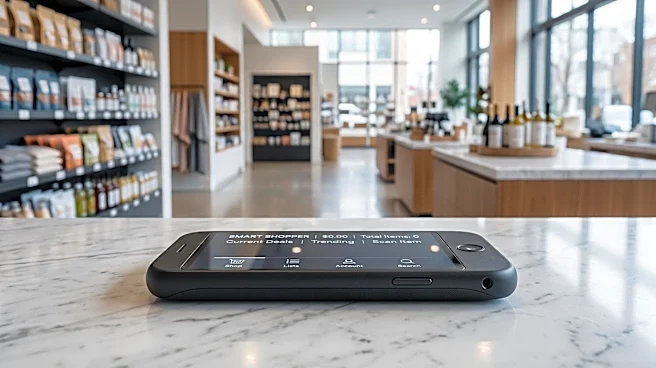
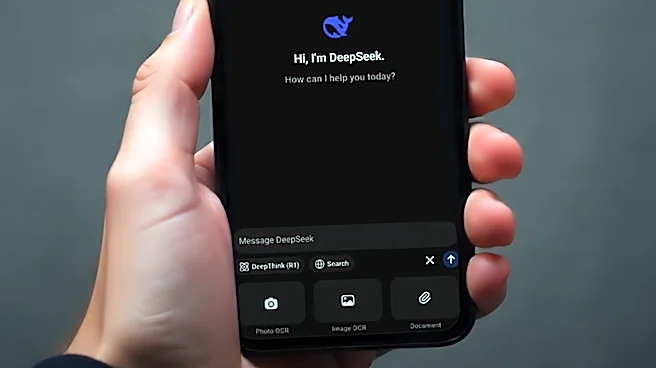
Retailers are navigating the emerging landscape of AI shopping assistants, such as Meta's Muse, which promise to streamline the shopping experience for consumers. These AI tools aim to find deals, source
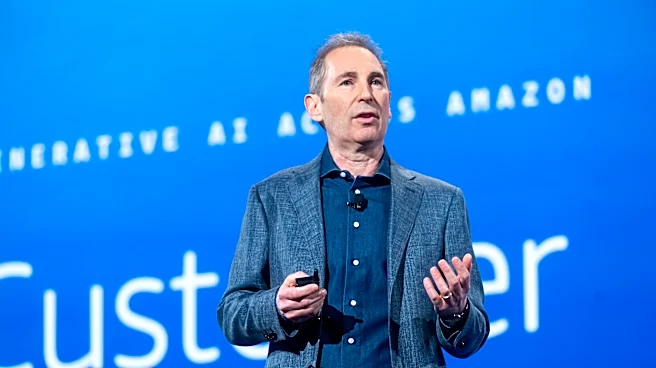
gifts, and even create shopping lists. While some retailers, like AO.com, are positioning themselves to be recommended by AI agents through competitive pricing and good service, others are more cautious. The UK launch of Muse, following its success in the U.S., highlights a growing trend where a significant portion of Black Friday shoppers intend to use AI for assistance. However, concerns persist among retailers regarding potential loss of impulse purchases, increased return rates for complex items like apparel, and the broader implications for brand loyalty and data monetization. Amazon has notably blocked AI agents from its store and previously sued AI company Perplexity over its automated shopping feature, indicating a contentious relationship between some retailers and these new technologies.
Why It's Important?
The rise of AI shopping assistants carries significant implications for the U.S. retail industry, potentially reshaping consumer behavior and competitive dynamics. For consumers, these tools offer convenience and efficiency, but also raise concerns about data privacy and the potential for biased or sponsored recommendations. Retailers face a dilemma: embrace AI agents to stay competitive or risk being left behind. The shift could diminish the importance of traditional browsing, impacting impulse buys and the effectiveness of retailers' own channels for customer engagement and data collection. Furthermore, the question of liability when an AI bot makes an error is a critical legal and commercial challenge that remains largely unresolved. This technological evolution could force retailers to re-evaluate their online strategies, invest in 'generative engine optimization' (GEO) tactics, and potentially lead to new monetization models for AI platforms through paid search or featured ads, ultimately altering the economic landscape of online retail.
What's Next?
The integration of AI shopping assistants into the retail ecosystem is expected to continue, with major tech companies like Meta, Google, and Amazon likely to further develop and monetize their AI platforms. Retailers will need to adapt by either partnering with these AI agents or developing strategies to ensure their products and services are favorably presented by them. The legal and commercial frameworks surrounding AI liability will likely evolve as more consumers adopt these tools, potentially leading to new regulations or industry standards. Consumers will increasingly encounter AI-driven shopping experiences, necessitating a greater understanding of how their data is used and the potential for algorithmic bias. The ongoing tension between retailers seeking to maintain direct customer relationships and AI platforms aiming to intermediate those interactions will define the next phase of e-commerce.
Beyond the Headlines
The proliferation of AI shopping assistants touches upon deeper ethical and cultural considerations beyond mere transaction efficiency. The reliance on AI for purchasing decisions raises questions about consumer autonomy and the potential for manipulation through sophisticated algorithms. As AI agents gain access to more personal data, including financial and health information, the ethical implications of data privacy and security become paramount. The shift from human-driven browsing to AI-curated shopping experiences could also subtly alter consumer culture, potentially reducing serendipitous discoveries and fostering a more utilitarian approach to consumption. Moreover, the unresolved question of liability for AI errors highlights a broader societal challenge in assigning responsibility in an increasingly automated world, prompting a re-evaluation of legal frameworks designed for human-centric commerce.