
What's Happening?
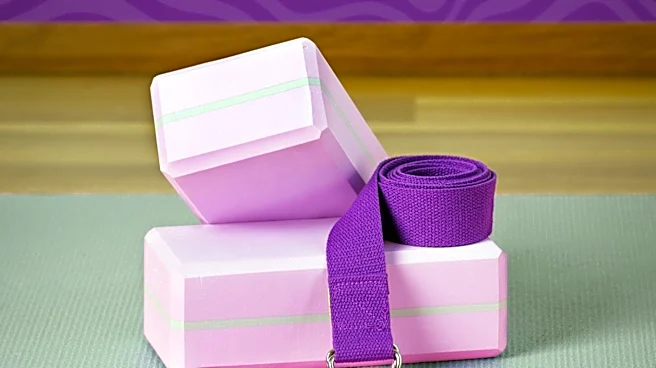
Liforme has published a comprehensive guide on how to effectively use a yoga strap to enhance various yoga poses and techniques. The article explains that a yoga strap acts as an extension of the arm,
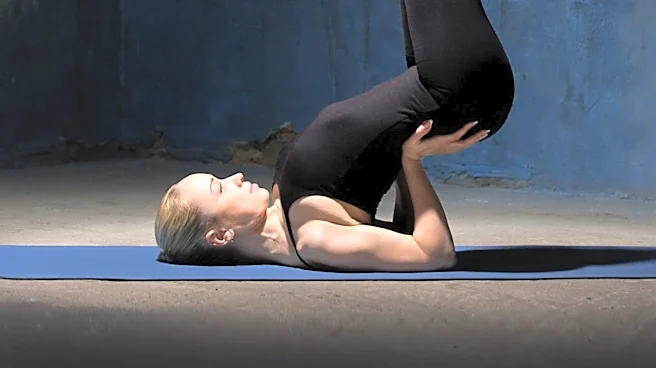
aiding in maintaining alignment while improving flexibility and mobility. It can also be used to restrict movement, ensuring proper knee or elbow placement. The guide provides detailed instructions for 16 specific poses, categorized into seated, standing, supine, arm balances, and inversions, illustrating how the strap can assist practitioners of all levels. Examples include using a strap to reach feet in seated forward folds, secure feet in Bound Angle Pose, bind hands in Cow Face Pose, and support legs in standing balances. The benefits highlighted include reaching feet in hand-to-foot poses, bridging gaps in binds, preventing limbs from splaying, and supporting restorative poses.
Why It's Important?
The detailed explanation of yoga strap utility is significant for both novice and experienced yoga practitioners. For beginners, it demystifies a common prop, making advanced poses more accessible and reducing the risk of injury by promoting correct alignment. For experienced yogis, it offers new ways to deepen stretches, refine technique, and explore variations of familiar poses. This information contributes to a safer and more effective yoga practice, potentially increasing participation and retention in yoga classes and home practices. The emphasis on proper form and support through props underscores a broader trend in wellness and fitness towards injury prevention and personalized modifications, making yoga more inclusive and beneficial for a wider range of body types and flexibility levels. This guidance can also influence product development in the yoga accessories market.
What's Next?
Liforme's guide is likely to serve as a valuable resource for individuals seeking to improve their yoga practice with props. The company may see increased interest in its yoga straps and other accessories as practitioners apply these techniques. Yoga instructors might incorporate these detailed explanations into their teaching, further popularizing the use of straps. Future content from Liforme could include video tutorials demonstrating these poses or advanced techniques for strap usage. The detailed instructions could also inspire other yoga brands to create similar educational content, fostering a more informed and empowered community of yoga practitioners. The continued emphasis on accessible and supported practice will likely shape future trends in yoga instruction and product design.
Beyond the Headlines
Beyond the immediate practical benefits, the detailed use of yoga props like straps reflects a philosophical shift in modern yoga from rigid adherence to traditional forms to an adaptive, body-positive approach. It acknowledges that not all bodies are the same and that tools can facilitate deeper understanding and engagement with poses, rather than being seen as a crutch. This approach promotes self-compassion and patience in practice, moving away from competitive or performance-oriented mindsets. The strap, in this context, becomes a symbol of support and accessibility, encouraging individuals to listen to their bodies and work within their current capabilities. This broader cultural impact fosters a more inclusive and sustainable approach to physical and mental well-being through yoga.