


What's Happening?
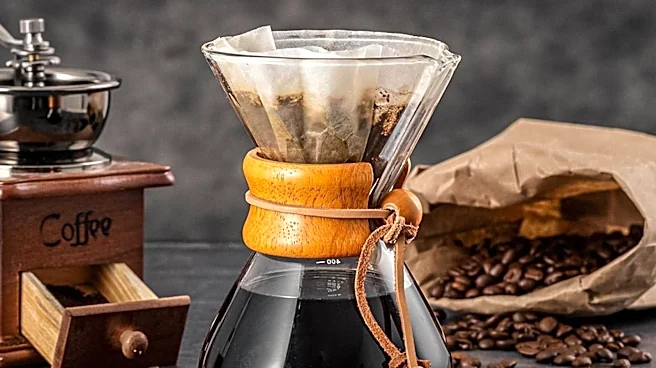
The market for drip coffee makers is experiencing a resurgence, driven by consumers seeking a nostalgic and comforting brewing experience. These appliances utilize a percolation method, where hot water filters through coffee grounds, producing a light
and balanced flavor profile. The appeal lies in the slower brewing process and the familiar aroma, which for many, evokes childhood memories. Unlike more complex espresso machines or hands-on pour-over methods, drip coffee makers offer an automatic and consistent brewing process, yielding a full pot of coffee with minimal effort. The focus is shifting towards design-forward yet affordable models that blend traditional functionality with modern aesthetics, catering to those who appreciate simplicity and a classic coffee taste. This trend highlights a preference for less intense coffee compared to French press or espresso, with the filter trapping heavy oils for a clearer taste. The convenience of automatic operation ensures consistent results, making it an attractive option for daily routines.
Why It's Important?
This trend signifies a broader consumer shift towards comfort and familiarity in everyday products, impacting the U.S. home appliance and beverage industries. The emphasis on nostalgic experiences suggests that brands can gain a competitive edge by tapping into emotional connections rather than solely focusing on advanced technological features. For coffee bean suppliers, this could mean a renewed focus on blends that complement the drip brewing method, emphasizing quality beans over complex machinery. Retailers of home goods stand to benefit from increased demand for aesthetically pleasing and functional drip coffee makers. This movement also reflects a desire for simplicity and a slower pace of life, contrasting with the fast-paced, high-tech trends often seen in other sectors. Consumers are increasingly valuing the ritual and sensory experience of coffee making, which drip coffee makers, with their comforting scents and straightforward operation, effectively deliver. This could lead to a diversification of product offerings in the coffee market, balancing high-tech options with more traditional ones.
What's Next?
Manufacturers are likely to continue innovating within the drip coffee maker segment, focusing on design, material quality, and user-friendly features that enhance the nostalgic experience. We can expect to see more collaborations between appliance brands and designers to produce models that are both functional and visually appealing, fitting seamlessly into modern home aesthetics. Marketing efforts will likely highlight the emotional benefits of drip coffee, such as comfort, tradition, and the creation of a calming morning ritual. This could also lead to a greater emphasis on sustainable and durable materials in appliance manufacturing, aligning with a broader consumer trend towards conscious consumption. Additionally, coffee roasters might develop specific blends optimized for drip brewing, further enhancing the flavor profile and overall experience. The market may also see a rise in accessories that complement the drip coffee experience, such as specialized filters or aesthetically pleasing carafes, catering to consumers who appreciate the full sensory journey of traditional coffee preparation.
Beyond the Headlines
The resurgence of drip coffee makers points to a deeper cultural yearning for simplicity and authenticity in an increasingly complex world. This isn't just about coffee; it reflects a broader societal trend where consumers are seeking refuge in familiar experiences and products that evoke positive memories. The 'nostalgic scent' of drip coffee acts as a powerful trigger, connecting individuals to their past and offering a sense of stability. This phenomenon extends beyond the kitchen, influencing trends in fashion, entertainment, and even dining, where retro themes are gaining traction. It suggests a counter-movement against the relentless pursuit of innovation for innovation's sake, highlighting a desire for products that offer genuine comfort and a tangible connection to tradition. This shift could encourage industries to re-evaluate their product development strategies, considering the emotional and psychological impact of their offerings alongside their functional utility. The emphasis on 'slower-paced appliances' also hints at a growing appreciation for mindful consumption and the value of taking time for simple pleasures.