






What's Happening?
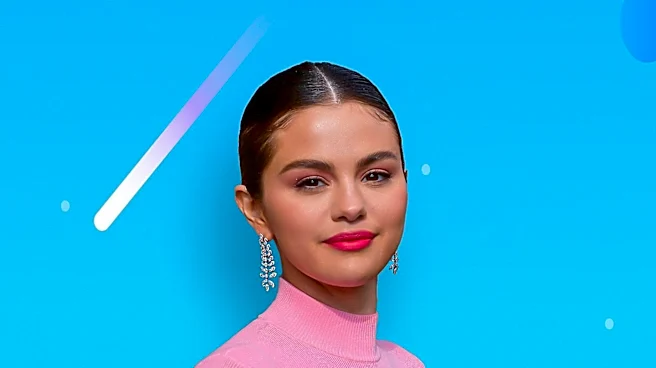
Selena Gomez and her mother, Mandy Teefey, are facing a fraud lawsuit filed by investors concerning their mental health startup, Wondermind. The complaint, lodged in Delaware federal court on August 13, also names Wondermind co-founder Daniella Pierson
and the company itself as defendants. Two investment groups claim they committed nearly $1.2 million based on alleged misrepresentations about Wondermind's infrastructure, management, and business prospects. Investors assert they were led to believe Gomez would actively contribute as the head of marketing and that the company had planned partnerships with major financial institutions like JPMorgan and Fidelity, along with various revenue streams and a mobile app. The lawsuit alleges these representations were false, stating that Gomez 'purported to sign a contract obligating her to perform and then ignored it,' and that the promised partnerships, initiatives, and app never materialized. Gomez's attorney, Mathew S. Rosengart, has dismissed the allegations as 'completely meritless, both factually and legally,' and stated they plan to file a motion to dismiss the claims.
Why It's Important?
This lawsuit highlights the increasing scrutiny and potential legal risks associated with celebrity endorsements and involvement in startup ventures, particularly in sensitive areas like mental health. The allegations suggest a significant breach of trust and misrepresentation to investors, which could have broader implications for how celebrity-backed companies are perceived and regulated. If the claims of fraud are substantiated, it could deter future investments in similar ventures, especially those relying heavily on a public figure's name and influence. For the mental health industry, the accusation that Gomez and her mother used mental health as a 'money-making tool' could erode public confidence in mental wellness platforms, potentially impacting the credibility of other legitimate initiatives. The case also underscores the importance of due diligence for investors and the need for clear, verifiable commitments from public figures involved in business enterprises. The outcome could set a precedent for accountability in celebrity-led startups and influence investor protection measures.
What's Next?
Selena Gomez's attorney, Mathew S. Rosengart, has indicated that they will 'vigorously defend these false allegations' and are preparing to file a motion to dismiss the 'baseless claims' against her. This suggests the immediate next step will be a legal battle over the validity of the lawsuit, potentially involving motions to dismiss and discovery processes. The investors are seeking the return of their investments or damages, along with legal fees, which means the case could proceed to trial if a settlement is not reached or the motion to dismiss is denied. The legal proceedings will likely focus on the evidence supporting the alleged misrepresentations and Gomez's contractual obligations and actual involvement with Wondermind. The company, Wondermind, which reportedly faced cash-flow problems and laid off staff in May 2025, will also be under scrutiny regarding its operational and financial transparency. The public and media will be watching closely for developments, particularly given Gomez's high profile and her advocacy for mental health.
Beyond the Headlines
Beyond the immediate legal ramifications, this lawsuit touches upon the ethical considerations of celebrity involvement in social causes and business. The accusation that mental health was used for 'financial gain' raises questions about the authenticity of celebrity advocacy and the potential for exploitation when personal struggles are leveraged for commercial purposes. It highlights a growing tension between genuine philanthropic efforts and profit-driven enterprises, especially in sectors like mental health where vulnerability is central. The case could prompt a broader discussion within the entertainment and business industries about the responsibilities of public figures when lending their names to ventures, particularly those with a social mission. It may also lead to increased scrutiny from regulatory bodies regarding the transparency and ethical practices of companies that market themselves around sensitive issues. The long-term impact could be a shift in how celebrities approach endorsements and business partnerships, emphasizing greater accountability and clearer distinctions between personal advocacy and commercial interests.