






What's Happening?
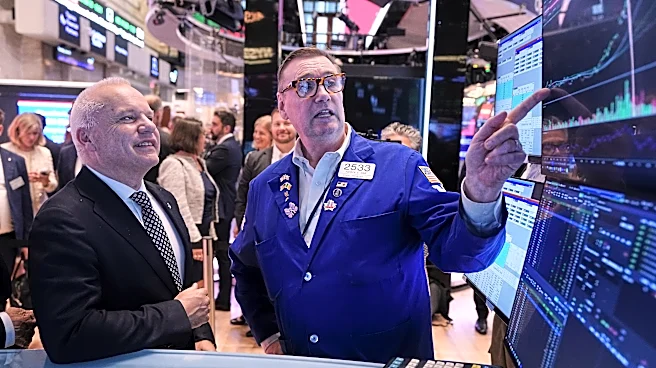
Prediction markets, such as Kalshi, have gained traction by allowing users to trade contracts tied to real-world outcomes, including major sporting events and political elections. These markets function like financial instruments, with traders speculating
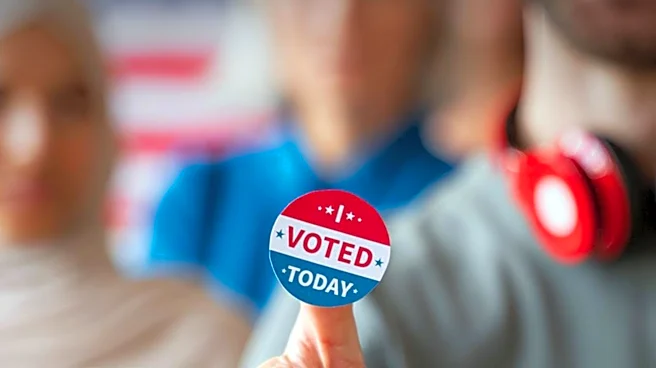
on outcomes such as election results or Federal Reserve decisions. Kalshi, a federally regulated exchange, has seen significant trading volumes, particularly in political markets, which combine media coverage, participant engagement, and real-world consequences. The platform's growth reflects a broader trend of turning news and events into tradable assets, appealing to a diverse audience of traders and speculators.
Why It's Important?
The rise of prediction markets highlights a shift in how people engage with news and events, blending elements of financial trading and entertainment. These markets offer a unique way for individuals to financially engage with stories they are already following, providing insights into public sentiment and expectations. The popularity of political markets, in particular, underscores the public's interest in having a stake in real-world outcomes. As prediction markets continue to grow, they may influence how information is consumed and acted upon, potentially impacting media coverage and public discourse.
Beyond the Headlines
The blurring line between gambling and financial trading in prediction markets raises questions about regulation and consumer protection. As these markets expand, regulators may need to address concerns about their classification and oversight. Additionally, the social aspect of prediction markets, where traders discuss positions and probabilities online, reflects a broader trend of community-driven engagement with news and events. This dynamic could shape future developments in both the financial and media landscapes, as platforms like Kalshi continue to innovate and attract new users.