




What's Happening?
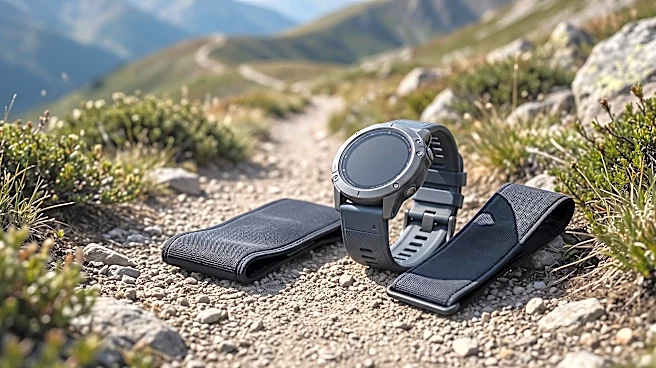
COROS has expanded its product offerings for runners in 2026, introducing a new Heart Rate Monitor armband and updating its range of GPS running watches. The COROS Heart Rate Monitor is designed to be worn on the upper arm, aiming to provide more accurate
heart rate data than wrist-based sensors, especially during intense activities or rapid heart rate changes. This armband connects via Bluetooth to up to three devices simultaneously, including non-COROS watches, boasts a 38-hour battery life in use, and is priced at $89. Concurrently, COROS has refined its watch lineup, categorizing models based on runner needs: the Pace 4 for road running and beginners, the Pace 4 Pro for demanding road runners seeking enhanced display and durability, the Apex 4 for trail and mountain running, and the Vertix 2S for ultra-trail and expedition use. Each watch offers varying features in terms of display type, battery life, GPS accuracy (including dual-frequency options), mapping capabilities, and physical design to cater to specific running environments and preferences.
Why It's Important?
This product expansion by COROS is significant for the U.S. sports technology market, particularly for runners and outdoor enthusiasts. The introduction of an armband heart rate monitor addresses a common user complaint about the accuracy limitations of wrist-based sensors during high-intensity workouts, offering a more comfortable and potentially more reliable alternative to traditional chest straps. This could attract a segment of athletes seeking improved data precision without the discomfort of chest straps. Furthermore, the refined watch lineup allows COROS to better target diverse segments of the running community, from casual road runners to extreme ultra-marathoners. By offering specialized features like extended battery life, advanced GPS, and detailed mapping in specific models, COROS aims to capture a larger market share by providing tailored solutions, potentially increasing competition within the wearable tech industry and influencing consumer choices for fitness tracking devices.
What's Next?
The new COROS Heart Rate Monitor and updated watch models are expected to be available for purchase, with consumers evaluating their performance and comfort. The market will likely see reviews and comparisons emerge, particularly focusing on the accuracy of the armband monitor against wrist-based sensors and chest straps. COROS will likely monitor sales and user feedback to inform future product development and marketing strategies. Competitors in the sports wearable market may respond with their own innovations or price adjustments to maintain their market position. Additionally, the integration of these devices with third-party training platforms, such as RunMotion Coach, suggests a continued trend towards ecosystem compatibility, which could influence how other brands approach partnerships and software development in the fitness tech space.
Beyond the Headlines
The evolution of heart rate monitoring technology, exemplified by COROS's armband, highlights a broader trend in wearable tech towards optimizing data accuracy and user comfort. This shift reflects a growing consumer demand for precise physiological metrics that can genuinely inform training and health decisions, moving beyond basic activity tracking. The emphasis on specialized watches for different running disciplines also points to the increasing segmentation of the fitness market, where general-purpose devices are being supplemented or replaced by highly tailored tools. This specialization could lead to more advanced analytics and personalized coaching insights, as devices become better equipped to capture nuanced data relevant to specific activities. Ethically, the push for greater accuracy in biometric data raises questions about data privacy and security, as more intimate health information is collected and processed by these devices.