






What's Happening?
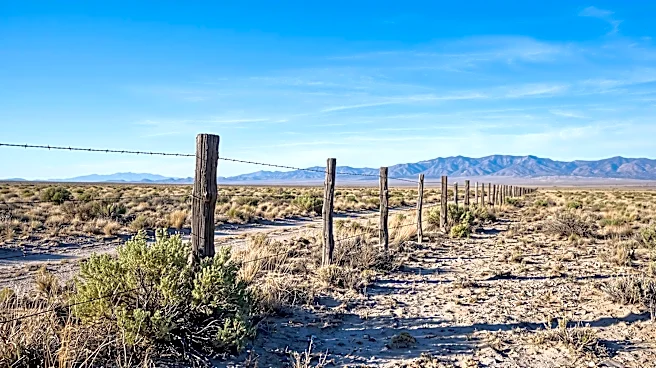
The Permian Basin, located in West Texas and southeastern New Mexico, continues to be the most productive oil and gas region in the United States. It comprises two main sub-basins, the Midland Basin and the Delaware Basin, each featuring multiple stacked
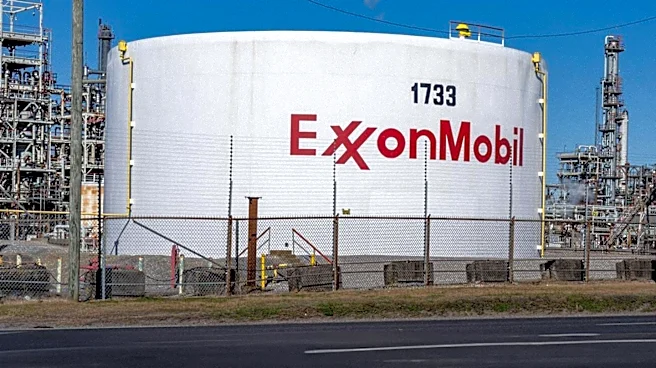
pay zones like Wolfcamp, Spraberry, and Bone Spring. The past couple of years have seen an unprecedented wave of consolidation within this basin. A significant development in this trend is ExxonMobil's acquisition of Pioneer Natural Resources. Other notable consolidations include Diamondback's merger with Endeavor Energy Resources, alongside numerous smaller combinations, all concentrated specifically within the Permian Basin. This activity indicates a strong belief in the long-term potential of the region, with operators investing tens of billions of dollars to consolidate acreage.
Why It's Important?
The acquisition of Pioneer Natural Resources by ExxonMobil, as part of a broader consolidation trend in the Permian Basin, has significant implications for the U.S. energy industry. This wave of mergers and acquisitions signals a long-term commitment by major players to the Permian, betting on decades of continued development rather than a winding down of operations. For mineral owners in the Permian, this consolidation is generally positive, as it indicates high demand for acreage and potentially stronger negotiating positions. The increased activity and investment in the basin suggest a robust outlook for future drilling, which influences mineral buyers' offers. The consolidation also means that operators are willing to pay substantial amounts for prime acreage, reflecting confidence in the basin's productivity and profitability. This trend impacts the competitive landscape, potentially leading to fewer but larger operators dominating the region.
What's Next?
The ongoing consolidation in the Permian Basin, exemplified by ExxonMobil's acquisition of Pioneer Natural Resources, is expected to continue shaping the U.S. oil and gas landscape. Mineral owners in the Permian are advised to understand the implications of these mega-mergers, particularly if their operator's name changes, as it often signifies increased value for their acreage. The focus will likely shift to how these larger, consolidated entities optimize operations, enhance efficiency, and leverage their expanded portfolios. The industry will also be watching for further strategic moves by other major and independent operators in response to this consolidation. The long-term development outlook for the Permian Basin remains strong, suggesting sustained drilling activity and investment in the coming years, which will continue to influence energy supply and pricing.
Beyond the Headlines
Beyond the immediate financial and operational impacts, the consolidation in the Permian Basin, including ExxonMobil's acquisition of Pioneer Natural Resources, reflects deeper shifts in the U.S. energy sector. It highlights a strategic move by large corporations to secure long-term, high-quality assets in a mature but highly productive basin, potentially signaling a preference for scale and efficiency in a volatile global energy market. This trend could lead to increased standardization of practices, greater capital allocation to advanced drilling technologies, and potentially a more concentrated market structure. The environmental implications of such large-scale operations, including water usage and emissions, will also remain a critical area of scrutiny. Furthermore, the consolidation could influence regional economies in West Texas and New Mexico, affecting employment, infrastructure development, and local tax revenues, as larger entities streamline operations and potentially alter local supply chains.